
What Are the Side Effects of Blood Sugar Support Pills?
Blood sugar support pills can cause stomach upset, dangerously low blood sugar, liver or kidney strain, and hidden drug interactions. Most over-the-counter blends mix herbs and minerals like berberine, cinnamon, chromium, alpha-lipoic acid, and bitter melon. Mild nausea, gas, or loose stools hit often in the first week. Bigger risks happen when pills stack with prescription diabetes drugs or contain unapproved drug ingredients.
Educational & Medical Note: This is an educational article with no product promotion. It is for information only and is not medical advice. If you have a health condition, take prescription medicine, are pregnant, or are breastfeeding, talk to your doctor or pharmacist before trying any supplement. Never stop a prescribed treatment on your own.

What Are Blood Sugar Support Pills?
Blood sugar support pills are non-prescription dietary supplements sold to help keep blood glucose steady. Unlike prescription diabetes drugs, the U.S. Food and Drug Administration (FDA) does not test these pills for safety or proof that they work before they hit store shelves.
Think of a multi-ingredient blood sugar pill like a mystery soup. Each scoop contains several active plants and minerals at once. If your stomach aches or your blood sugar drops too fast, it is hard to know which single ingredient caused the reaction.
How I Researched This Guide
To write this guide on November 22, 2026, I reviewed clinical summaries, safety alerts, and human trial reviews from trusted public health bodies. These include the National Center for Complementary and Integrative Health (NCCIH), the National Institutes of Health (NIH) Office of Dietary Supplements, the FDA, and peer-reviewed reviews indexed on PubMed.
What You Will Learn
- The most common mild side effects and why they happen
- Serious risks like hypoglycemia, liver strain, and kidney stress
- Side effects broken down by specific ingredient
- Dangerous interactions with prescription drugs
- A safety checklist and questions to ask your pharmacist
How Blood Sugar Supplements Affect Your Body
Most blood sugar pills try to mimic how diabetes medicines work, just in a weaker or less predictable way. Some ingredients slow down how fast your gut breaks down carbs. Others push your cells to pull more glucose out of your blood, or tell your liver to make less sugar.
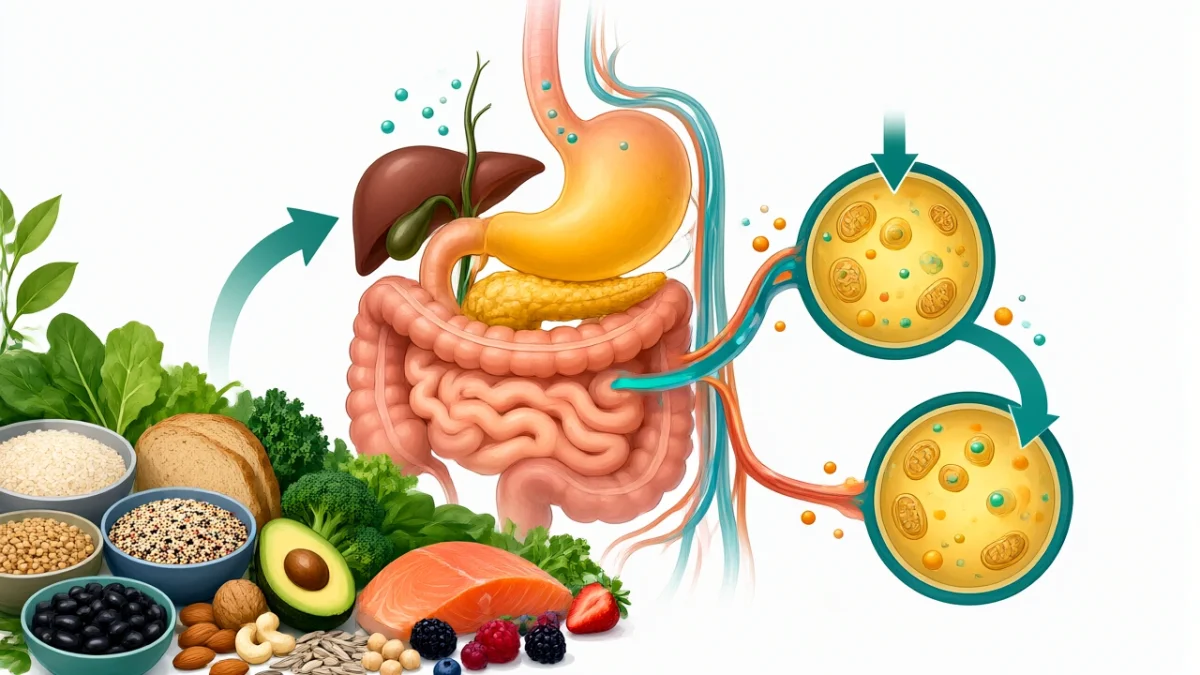
Because many herbal extracts are poorly absorbed in the gut, they sit in your digestive tract for hours. That local action is why stomach trouble is the number one complaint. At the same time, compounds that pass through the liver can block the cytochrome P450 enzymes your body needs to clear other daily pills.
Common Side Effects of Blood Sugar Support Pills
Most side effects show up in the first few days of taking a new bottle and affect your stomach or head.
- Digestive Upset: Nausea, bloating, gas, stomach cramps, diarrhea, or constipation are very common. Berberine, magnesium, and bitter melon trigger these most often.
- Headaches and Dizziness: Alpha-lipoic acid, chromium, ginseng, and bitter melon can cause mild headaches or lightheadedness.
- Skin Reactions: High doses of chromium, selenium, or alpha-lipoic acid have been linked to skin rashes or itching.
- Metallic Taste or Heartburn: Alpha-lipoic acid and fish-oil add-ins often cause acid reflux or a sour taste.
Serious Risks You Should Not Ignore
While rare in healthy adults taking low doses, severe reactions can happen. These risks climb sharply if you take high doses, use multi-herb blends, or have an existing health issue.
1. Dangerously Low Blood Sugar (Hypoglycemia)
If a supplement lowers blood sugar on top of a prescription drug like insulin, metformin, or a sulfonylurea, your glucose can crash. Symptoms include shaking, cold sweats, fast heartbeat, confusion, and fainting. Even people without diabetes have reported dizziness and shakiness in trials using chromium or bitter melon.
2. Liver Stress and Toxicity
Cassia cinnamon—the cheap type used in most supplements—contains a natural chemical called coumarin. According to the NCCIH, high or long-term intake of cassia cinnamon can harm the liver in sensitive people. Rare cases of drug-induced liver injury have also been tied to gymnema and green tea extract.
3. Kidney Damage
The NCCIH warns that certain dietary supplements are linked to kidney disease. High doses of chromium and extreme intakes of selenium or vitamin D have been tied to kidney injury or failure. This is a major concern because diabetes itself already puts strain on the kidneys.
4. Hidden Prescription Drugs
In November 2023, the FDA warned consumers about a blood glucose supplement found to contain hidden glyburide and metformin. Unlisted drugs can trigger sudden, life-threatening low blood sugar or lactic acidosis.
Side Effects by Common Ingredient
Manufacturers rarely test their finished blends in human trials. Instead, safety data comes from studies on single ingredients.
| Ingredient:Ingredient | Typical Studied Dose:Typical Studied Dose | Common Side Effects:Common Side Effects | Serious Risks & Warnings:Serious Risks & Warnings | Source:Source |
| Ingredient:Berberine | Typical Studied Dose:900–1,500 mg/day | Common Side Effects:Constipation, diarrhea, gas, nausea, cramps | Serious Risks & Warnings:Unsafe in pregnancy/infants (risk of brain-damaging jaundice); blocks drug-clearing liver enzymes | Source:NCCIH, NIH |
| Ingredient:Cassia Cinnamon | Typical Studied Dose:120–6,000 mg/day | Common Side Effects:Stomach upset, mouth sores, skin allergies | Serious Risks & Warnings:High coumarin levels can stress or injure the liver; may interact with blood thinners | Source:NCCIH |
| Ingredient:Chromium | Typical Studied Dose:200–1,000 mcg/day | Common Side Effects:Bloating, stomach pain, headache, mood shifts | Serious Risks & Warnings:Rare reports of kidney damage, liver damage, and muscle problems at high doses | Source:NCCIH |
| Ingredient:Alpha-Lipoic Acid | Typical Studied Dose:300–1,800 mg/day | Common Side Effects:Headache, heartburn, nausea, vomiting, rash | Serious Risks & Warnings:Can lower blood sugar too much with insulin; may reduce thyroid medicine effects | Source:NCCIH, NIH |
| Ingredient:Bitter Melon | Typical Studied Dose:2,000–4,000 mg/day | Common Side Effects:Diarrhea, belly pain, headache, dizziness | Serious Risks & Warnings:Unsafe in pregnancy; dangerous for people with G6PD deficiency | Source:NIH LiverTox |
| Ingredient:Gymnema Sylvestre | Typical Studied Dose:500–1,000 mg/day | Common Side Effects:Nausea, stomach upset, loss of sweet taste | Serious Risks & Warnings:Rare reports of drug-induced hepatitis; alters liver drug enzymes | Source:NIH PMC |
| Ingredient:Magnesium | Typical Studied Dose:Up to 350 mg/day (supplement limit) | Common Side Effects:Loose stools, diarrhea, abdominal cramping | Serious Risks & Warnings:Doses over 5,000 mg/day can be fatal; unsafe in kidney failure | Source:NCCIH |
What Does the Science Actually Say?
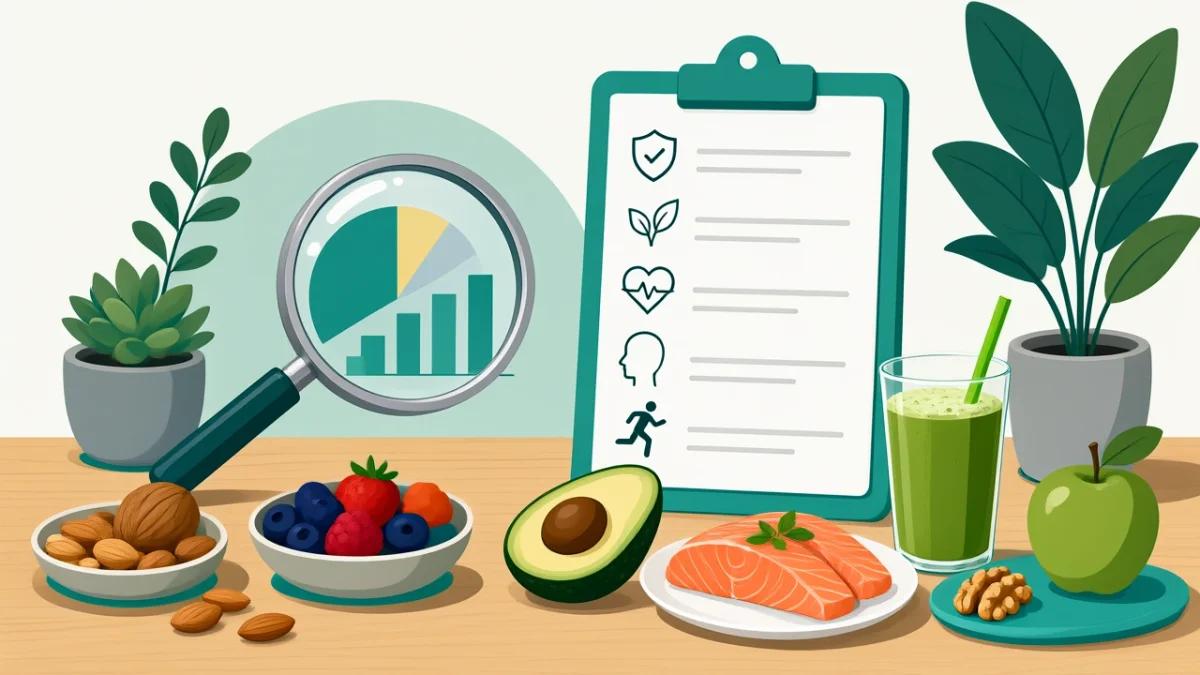
Marketing labels often sound like guarantees, but human research tells a much calmer story.
| Marketing Claim:Marketing Claim | Evidence Level:Evidence Level | What Studies Show & Caveats:What Studies Show & Caveats | Source:Source |
| Marketing Claim:"Berberine works just like prescription GLP-1 drugs" | Evidence Level:Weak / False comparison | What Studies Show & Caveats:A 2021 meta-analysis of 46 trials found berberine lowered A1C by ~0.73% over 3–4 months. However, trials were small, short, and showed modest weight changes (~4–6 lbs), nowhere near prescription drugs. | Source:PubMed (Guo et al., 2021) |
| Marketing Claim:"Cinnamon cures or controls type 2 diabetes" | Evidence Level:Mixed / Weak | What Studies Show & Caveats:NCCIH states research does not clearly support using cinnamon for diabetes. Many trials used different species and doses, leaving results inconsistent. | Source:NCCIH |
| Marketing Claim:"Magnesium supplements prevent diabetes" | Evidence Level:Insufficient | What Studies Show & Caveats:A 2022 review of 18 trials (1,097 participants) noted minor glucose shifts, but authors concluded evidence is too weak to set clinical guidelines. | Source:NCCIH (2022 Review) |
| Marketing Claim:"Natural blood sugar pills have zero side effects" | Evidence Level:✗ False | What Studies Show & Caveats:Clinical reviews show frequent GI distress, drug enzyme blocking, and hypoglycemia risks when paired with medication. | Source:NIH / NCCIH |
My Honest Read: In my view, the biggest trap with these pills isn't just a mild stomachache—it's false confidence. People sometimes skip proven diet changes or delay doctor visits because a bottle promises "glucose support". Most trials last 12 weeks or less, so nobody truly knows what taking a heavy herbal blend every day for five years does to your liver or kidneys.
Drug Interactions You Must Watch For
Combining herbs with prescription medicines is one of the fastest ways to land in urgent care.
- Diabetes Medications: Stacking berberine, bitter melon, ginseng, or aloe vera with metformin, insulin, or sulfonylureas can cause severe hypoglycemia.
- Blood Thinners (Warfarin, Clopidogrel): Cinnamon, ginseng, and omega-3s can alter how blood clots, raising bleeding risk.
- Statins and Blood Pressure Drugs: Berberine slows down liver enzymes (CYP3A4 and CYP2D6). This can cause statins, heart-rhythm drugs, or transplant drugs to build up to toxic levels in your blood.
- St. John's Wort (Sometimes Added for Mood): GoodRx and NIH notes warn it can make sulfonylureas and DPP-4 inhibitors less effective while raising metformin levels unpredictably.
Mid-Article Check: Want to see how a real supplement label compares to safe clinical doses? Read ourBlood Sugar Supplement Label-Check Guideto spot proprietary blends and risky fillers before you buy.
Myths vs. Evidence
- Myth: "If an ingredient comes from a plant, my body handles it safely." Evidence: Poison ivy is a plant too. Concentrated extracts like cassia cinnamon and berberine are processed by your liver just like synthetic drugs and can cause real toxicity.
- Myth: "Proprietary blends protect secret formulas." Evidence: A proprietary blend hides the exact milligram dose of each ingredient. Without exact numbers, neither you nor your pharmacist can tell if you are getting a safe amount or a toxic overload.
- Myth: "Niacin (Vitamin B3) in metabolic pills helps blood sugar." Evidence: High doses of niacin (1,500 mg/day or more) can actually raise blood glucose and reduce insulin sensitivity.
Who Should Be Extra Careful?
Certain groups should skip blood sugar support pills completely unless a specialist supervises them:
- Pregnant or Breastfeeding Women: Berberine and bitter melon can trigger uterine contractions or harm a fetus. Berberine can also cause a dangerous buildup of bilirubin in newborns.
- People with Liver or Kidney Disease: Damaged organs cannot clear concentrated herbs, coumarin, or heavy metals safely.
- Anyone Scheduled for Surgery: Herbs that affect blood sugar and clotting should usually be stopped at least two weeks before surgery.
- People on Multiple Prescriptions: If you take three or more daily medications, interaction risks multiply fast.
Practical Safety Checklist Before You Take Anything
Use this checklist before swallowing any glucose support capsule:
- [ ] Verify Third-Party Testing: Look for a USP, NSF, or ConsumerLab seal on the bottle to ensure it is free from heavy metals and hidden prescription drugs.
- [ ] Reject Proprietary Blends: Make sure every single herb and mineral lists its exact milligram or microgram amount.
- [ ] Check the Cinnamon Type: If cinnamon is listed, confirm it says Ceylon cinnamon rather than cassia to avoid liver-stressing coumarin.
- [ ] Take With Food: Taking berberine or minerals with a meal cuts down on nausea and cramping.
- [ ] Start at Half Dose: Test your stomach's tolerance for 5–7 days before moving to a full label serving.
- [ ] Log Your Readings: Check your fasting and post-meal glucose daily during the first two weeks, and stop right away if readings dip below 70 mg/dL or you feel shaky.
Questions to Ask Your Doctor or Pharmacist
Bring the physical bottle—or a clear photo of the Supplement Facts panel—to your pharmacy counter and ask:
- "Do any of these exact ingredients block the liver enzymes that process my current prescriptions?"
- "Could this supplement stack with my diabetes medication and cause low blood sugar?"
- "Are my latest kidney and liver lab numbers healthy enough to try this short term?"
- "What warning signs mean I should stop taking this immediately?"
When to See a Doctor Right Away
Stop the supplement and seek medical care if you notice:
- Hypoglycemia signs: Dizziness, cold sweats, trembling, slurred speech, or confusion
- Liver warning signs: Yellowing skin or eyes, dark urine, severe fatigue, or pain in your upper right belly
- Allergic or severe GI reactions: Hives, trouble breathing, or vomiting and diarrhea that last more than 24 hours
[[IMAGE: A calm, everyday scene of an adult talking across a pharmacy counter with a pharmacist holding a plain paper note, warm natural lighting, photorealistic, 16:9, no text or brand logos | alt: Patient discussing blood sugar supplement side effects with a pharmacist | caption: Reviewing your supplement list with a pharmacist prevents risky drug interactions]]
Key Takeaways
- Stomach upset is most common: Nausea, gas, bloating, and diarrhea happen often in the first week, especially with berberine and magnesium.
- Low blood sugar is the top acute danger: Combining glucose-lowering herbs with prescription diabetes drugs can cause dangerous hypoglycemia.
- Organs take the brunt of long-term use: High-coumarin cassia cinnamon can stress the liver, while high-dose chromium or hidden contaminants can harm the kidneys.
- Drug interactions are widespread: Berberine and gymnema alter liver enzymes that control blood levels of statins, blood thinners, and heart drugs.
- Quality control varies wildly: Always pick third-party tested single ingredients over unverified multi-herb blends.
Next Steps
Not sure if a supplement is safe for your routine? Take the checklist above and your bottle to your pharmacist for a free interaction check. If you are looking for safer, proven ways to steady your glucose without pill side effects, explore our Evidence-Based Natural Alternatives for Blood Sugar Control or review our Blood Sugar Support Pillar Guide first.
Frequently Asked Questions
What are the most common side effects of blood sugar support pills?The most common side effects are digestive issues like nausea, bloating, gas, diarrhea, and stomach cramps. Headaches, mild dizziness, and heartburn also happen, especially during the first week of use. Taking capsules with food often reduces stomach irritation.
Can blood sugar supplements damage your liver or kidneys?Yes, certain ingredients and high doses can stress your liver or kidneys. Cassia cinnamon contains coumarin, which can cause liver injury when taken in large daily amounts. High doses of chromium and contaminated supplements have also been linked to kidney damage.
Is it safe to take blood sugar supplements with metformin?Taking blood sugar supplements alongside metformin can increase your risk of hypoglycemia (dangerously low blood sugar). Ingredients like berberine and St. John's wort can also change how metformin is absorbed or cleared. Always get your doctor's approval before combining them.
How long do side effects from berberine or blood sugar pills last?Mild digestive side effects usually ease within 7 to 14 days as your gut adjusts, especially if you take the pills with meals. If diarrhea, cramping, or dizziness persists past two weeks, stop taking the supplement and talk to a healthcare provider.
Why do some blood sugar supplements cause dizziness or shakiness?Dizziness and shakiness are classic early warning signs that your blood sugar has dropped too low. This can happen if a supplement over-stimulates insulin release or stacks with prescription diabetes medication. Check your blood glucose right away if you feel lightheaded.
Are gummy blood sugar supplements gentler on the stomach than pills? Not always. While gummies avoid large herbal capsule loads, they often contain sugar alcohols (like sorbitol or xylitol) and chicory root fiber that trigger gas, bloating, and diarrhea. They also carry lower, less consistent active doses.




2 Comments