Can Blood Sugar Supplements Replace Diabetes Medication?
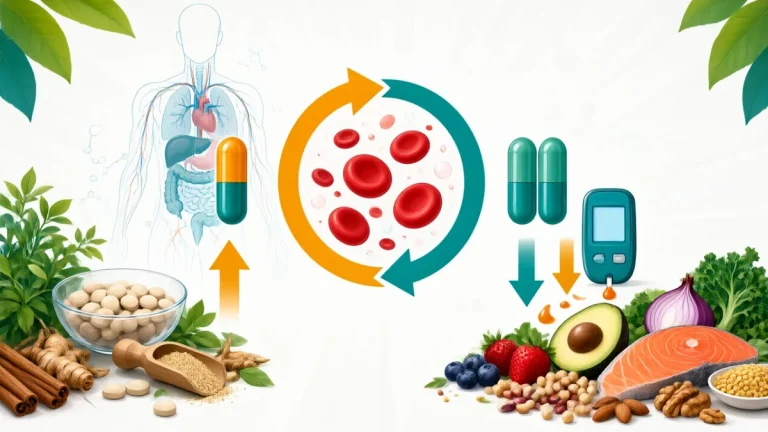
No, blood sugar supplements cannot safely replace prescribed diabetes medication. While certain ingredients like berberine, chromium, and magnesium show modest blood sugar support in short-term studies, no dietary supplement has proven it can prevent long-term diabetes complications like heart disease, nerve damage, or kidney failure. Stopping prescribed drugs in favor of over-the-counter pills can trigger dangerous blood sugar spikes.

Educational Disclosure: This is an independent educational guide with no product promotion or affiliate links. Medical Note: This article provides general health information, not medical advice. If you have diabetes, take prescription drugs, or are pregnant or nursing, talk with your doctor or pharmacist before starting any supplement. Never stop or change a prescribed medication on your own.
Why People Ask This Question
Blood sugar (also called blood glucose) is the main sugar found in your blood and your body’s primary source of energy. When you have diabetes, your body either does not make enough insulin—the hormone that moves sugar from your blood into your cells—or cannot use insulin well.
Think of insulin like a key that unlocks your cells so sugar can enter. With type 2 diabetes, the locks get rusty. Prescription drugs either oil the locks, make more keys, or help your kidneys flush out extra sugar.
It is easy to see why people look for natural alternatives. Prescription co-pays add up, side effects like stomach upset are frustrating, and online ads often call plant extracts “nature’s metformin.” I reviewed clinical guidance from the National Center for Complementary and Integrative Health (NCCIH), the American Diabetes Association (ADA) 2026 Standards of Care, U.S. Food and Drug Administration (FDA) safety alerts, and over a dozen human clinical trials and meta-analyses on November 22, 2026, to give you a clear, honest answer.
What You Will Learn
- Why regulatory rules and long-term outcome data separate drugs from supplements.
- What human clinical trials actually show for berberine, cinnamon, chromium, magnesium, and alpha-lipoic acid.
- Hidden safety risks, including dangerous blood sugar drops and tainted products.
- Common myths versus scientific evidence.
- A step-by-step safety checklist and questions to ask your doctor.
Prescription Diabetes Medication vs. Dietary Supplements
Prescription medications undergo strict testing for safety, exact dosing, and long-term organ protection, while dietary supplements do not require pre-market approval. Under U.S. law, the FDA does not test or approve dietary supplements for safety or effectiveness before companies sell them.
Prescription drugs like metformin, GLP-1 receptor agonists, and SGLT2 inhibitors must pass large, multi-year clinical trials. Researchers track not just daily blood sugar numbers, but whether the drug prevents heart attacks, strokes, blindness, and kidney failure over decades.
Supplements sit in a completely different category. A bottle on a store shelf might contain the exact dose printed on the label, or it might contain far less—or even hidden prescription drugs.
| Feature:Feature | Prescription Diabetes Medication:Prescription Diabetes Medication | Over-the-Counter Blood Sugar Supplements:Over-the-Counter Blood Sugar Supplements |
| Feature:FDA Approval | Prescription Diabetes Medication:Approved before sale for safety and effectiveness (FDA) | Over-the-Counter Blood Sugar Supplements:Not approved before sale; regulated as food products (FDA) |
| Feature:Dose Consistency | Prescription Diabetes Medication:Strictly verified per pill or injection | Over-the-Counter Blood Sugar Supplements:Varies widely between brands and batches |
| Feature:Long-Term Proof | Prescription Diabetes Medication:Proven to reduce heart, kidney, and nerve damage over 10+ years | Over-the-Counter Blood Sugar Supplements:No trials proving prevention of long-term complications |
| Feature:Primary Goal | Prescription Diabetes Medication:Treat and manage diabetes safely | Over-the-Counter Blood Sugar Supplements:Support general nutrition or mild metabolic markers |
| Feature:Insurance Coverage | Prescription Diabetes Medication:Usually covered by health insurance | Over-the-Counter Blood Sugar Supplements:Paid out of pocket |
How Blood Sugar Supplements Are Thought to Work
Most blood sugar supplements aim to improve insulin sensitivity, slow carb digestion, or activate cellular energy pathways. Unlike insulin injections, which directly supply the hormone your body lacks, plant compounds and minerals nudge existing metabolic pathways.
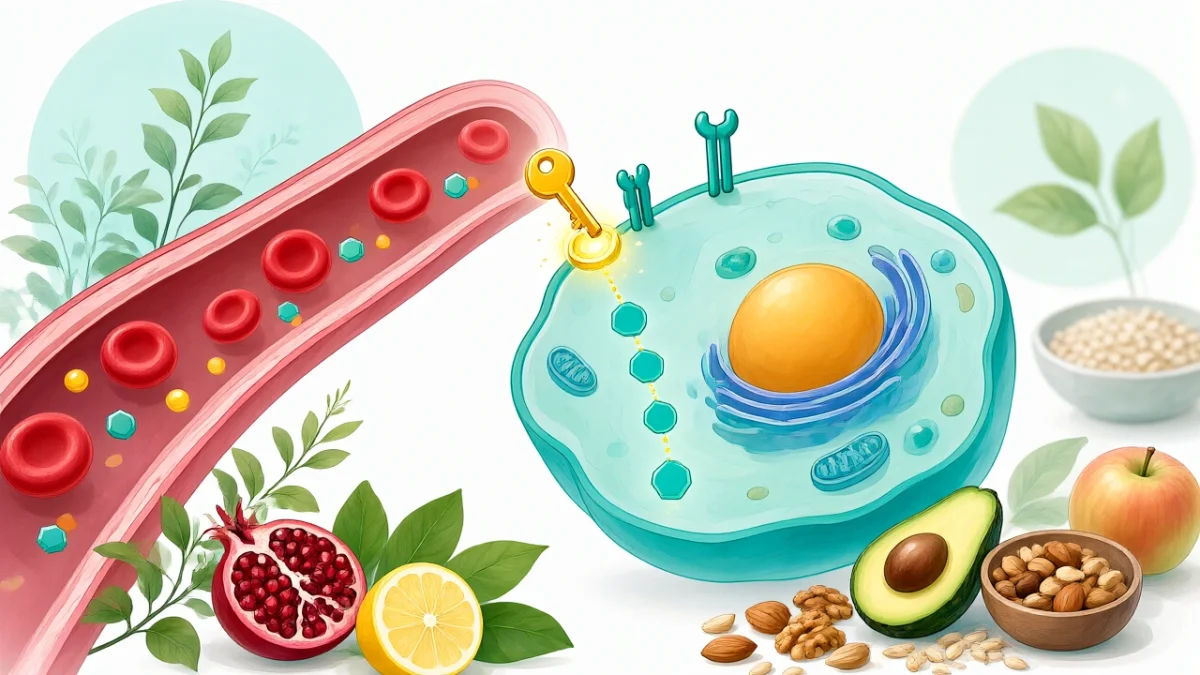
For example, berberine—a bitter yellow compound found in plants like goldenseal and barberry—activates an enzyme inside cells called AMPK (AMP-activated protein kinase). Scientists often call AMPK a "metabolic master switch" because turning it on helps muscles absorb more glucose and tells the liver to make less new sugar.
Other nutrients play supporting roles:
- Chromium and Magnesium act as trace mineral helpers that assist insulin receptors on cell walls.
- Soluble Fiber (such as psyllium) forms a gel in your gut, slowing down how fast sugar enters your bloodstream after a meal.
- Cinnamon Polyphenols may mildly mimic insulin signaling in lab dishes, though human results remain inconsistent.
What Human Clinical Evidence Actually Shows
A few supplements show modest short-term drops in fasting blood sugar and HbA1c, but the evidence is too weak to replace medical care. HbA1c (glycated hemoglobin) is a standard lab test that measures your average blood sugar over the past two to three months.
Here is what major medical bodies and human studies say about the five most popular ingredients:
1. Berberine (Strongest Short-Term Data, No Long-Term Proof)
Berberine gets the most attention because a well-known 2008 pilot trial by Yin and colleagues tested 500 mg of berberine three times daily against metformin in 36 adults with newly diagnosed type 2 diabetes over three months. Both groups saw similar drops in HbA1c (from 9.5% down to 7.5%). Later meta-analyses, including a 2021 review of 13 randomized trials covering 1,173 participants, found berberine lowered fasting glucose and HbA1c.
The Caveat: Most studies lasted only 8 to 24 weeks, had small sample sizes, and showed high variation in study quality. Unlike metformin—which proved in the landmark UK Prospective Diabetes Study (UKPDS) to cut diabetes-related deaths and complications over 10+ years—zero long-term trials show berberine protects your heart or kidneys.
2. Chromium (Mixed Evidence)
Chromium is an essential trace mineral. A 2022 systematic review of 16 studies (868 participants) noted modest improvements in HbA1c and fasting glucose in people with type 2 diabetes. However, NCCIH notes that earlier reviews found conflicting results, and the ADA 2026 Standards of Care do not recommend chromium for blood sugar control because benefits are inconsistent.
3. Magnesium (Helpful Only If Deficient)
People with poorly controlled diabetes often lose extra magnesium through urine. A 2022 review of 18 studies (1,097 participants) suggested magnesium supplements might slightly improve blood sugar markers, yet researchers concluded the data is not strong enough for clinical guidelines. The ADA 2026 Standards state that taking minerals without an actual lab-confirmed deficiency offers no proven glycemic benefit.
4. Cinnamon (Weak and Inconsistent)
While a 2019 meta-analysis suggested cinnamon might slightly lower fasting blood sugar, major clinical reviews from NCCIH and the ADA conclude that human trials show conflicting results and no reliable drop in HbA1c.
5. Alpha-Lipoic Acid (Nerve Support, Not Blood Sugar Control)
Alpha-lipoic acid (ALA) is an antioxidant. According to NCCIH, clinical studies suggest ALA may help ease burning or tingling pain from diabetic neuropathy (nerve damage), but it has not been shown to lower daily blood sugar or HbA1c.
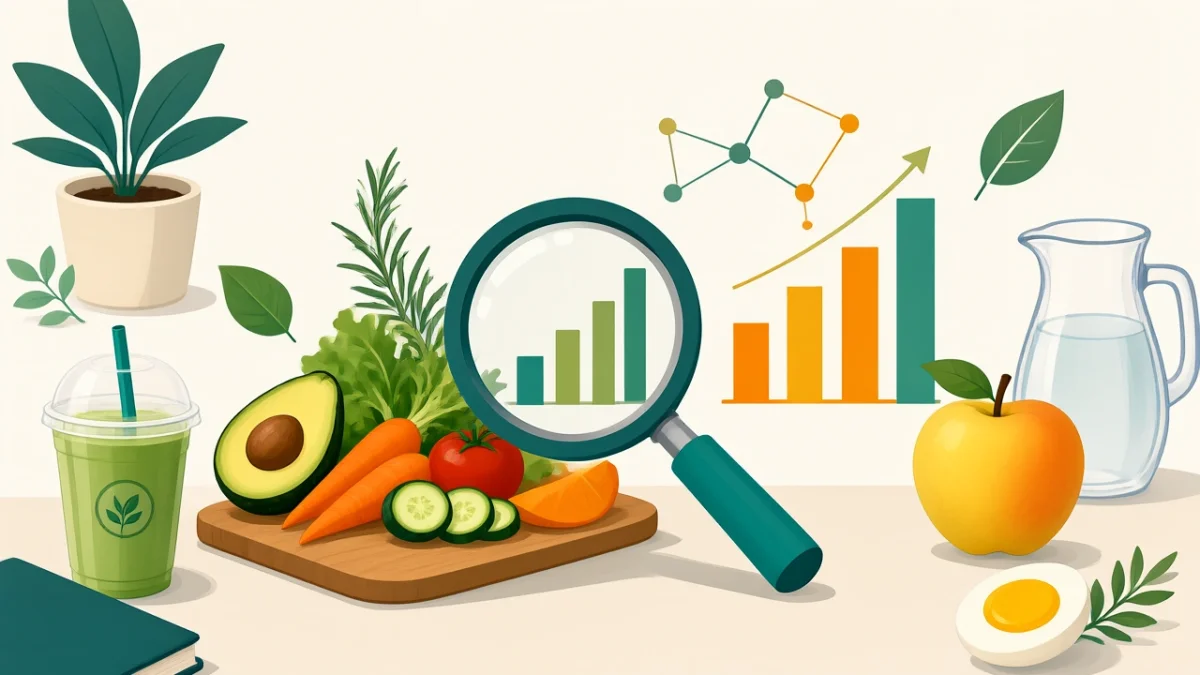
Evidence Strength Summary
| Supplement Ingredient:Supplement Ingredient | Primary Claim:Primary Claim | Evidence Strength:Evidence Strength | Key Source & Findings:Key Source & Findings |
| Supplement Ingredient:Berberine | Primary Claim:Lowers HbA1c and fasting glucose like metformin | Evidence Strength:Moderate (Short-Term Only) | Key Source & Findings:2021 meta-analysis (13 RCTs, n=1,173); lowers glucose over 3–6 months, but lacks long-term safety/organ outcome data (NCCIH). |
| Supplement Ingredient:Chromium | Primary Claim:Improves insulin sensitivity and HbA1c | Evidence Strength:Mixed | Key Source & Findings:2022 review (16 studies, n=868) showed modest drops; ADA 2026 Standards say evidence is insufficient for routine use. |
| Supplement Ingredient:Magnesium | Primary Claim:Supports healthy blood sugar levels | Evidence Strength:Mixed / Deficiency-Only | Key Source & Findings:2022 review (18 studies, n=1,097) found slight effects; ADA 2026 notes no benefit unless you have low magnesium levels. |
| Supplement Ingredient:Cinnamon | Primary Claim:Reduces fasting blood sugar after meals | Evidence Strength:Weak / Conflicting | Key Source & Findings:NCCIH & ADA 2026 reviews show inconsistent trial outcomes and no reliable HbA1c reduction. |
| Supplement Ingredient:Alpha-Lipoic Acid | Primary Claim:Lowers blood glucose | Evidence Strength:No Evidence for Blood Sugar | Key Source & Findings:NCCIH reports ALA may ease diabetic nerve pain, but does not lower blood sugar. |
| Supplement Ingredient:"Natural Cure" Blends | Primary Claim:Eliminates type 2 diabetes | Evidence Strength:False Marketing Claim | Key Source & Findings:FDA warns these claims are illegal and potentially dangerous. |
Real Risks of Replacing or Mixing Supplements
Swapping prescribed pills for supplements—or stacking them together without guidance—can cause medical emergencies. Even natural plant extracts carry real biological risks.
- Rebound Hyperglycemia (Dangerous Highs): Stopping prescribed medication suddenly allows blood sugar to climb unchecked. Over weeks or months, high glucose silently damages tiny blood vessels in your eyes, kidneys, nerves, and heart.
- Severe Hypoglycemia (Dangerous Lows): Taking blood-sugar-lowering supplements like berberine or bitter melon alongside insulin or sulfonylureas (such as glipizide) can push blood sugar dangerously low. Symptoms include shakiness, confusion, fainting, and seizures.
- Drug Interactions: Berberine blocks key liver enzymes (CYP450) and gut proteins (P-glycoprotein) that process other medications. This can alter blood levels of blood thinners, blood pressure pills, statins, and transplant drugs.
- Kidney and Liver Strain: Diabetes is already the leading cause of kidney disease. High doses of chromium have been linked to kidney and liver injury in case reports, while common Cassia cinnamon contains coumarin, a natural compound that can harm the liver in large amounts.
- Tainted Products: The FDA regularly issues public alerts after finding hidden prescription diabetes drugs (like glyburide or metformin) illegally mixed into "100% natural" blood sugar supplements sold online.
Myths vs. Evidence
Marketing headlines often twist early lab findings into false promises. Knowing the difference protects both your health and your wallet.
- Myth: "Berberine is identical to metformin, just natural."Evidence: They are chemically unrelated. Metformin comes from guanidine compounds studied since the 1920s with decades of safety data in millions of patients. Berberine is a plant alkaloid with short-term data and known liver-enzyme drug interactions.
- Myth: "Natural means zero side effects."Evidence: Up to 20–30% of people taking berberine experience cramping, diarrhea, constipation, or nausea. Magnesium above the 350 mg daily supplemental upper limit frequently triggers diarrhea.
- Myth: "If my daily finger-stick looks okay, I don't need my pills."Evidence: Certain diabetes drugs—especially SGLT2 inhibitors and GLP-1 medications—protect your heart and kidneys directly, beyond just lowering the number on your glucometer.
Who Should Be Extra Careful
Certain groups face higher risks of severe side effects from blood sugar supplements and should avoid self-experimenting.
- People with Type 1 Diabetes: Type 1 diabetes is an autoimmune condition where the pancreas makes no insulin. Supplements cannot replace insulin; stopping insulin leads rapidly to life-threatening diabetic ketoacidosis (DKA).
- Anyone on Insulin or Sulfonylureas: Stacking supplements with these drugs raises the risk of sudden, severe low blood sugar.
- People with Kidney or Liver Disease: Reduced organ function makes it harder to clear concentrated herbs and minerals safely.
- Pregnant or Breastfeeding Women: NCCIH specifically warns against berberine during pregnancy and breastfeeding because it can cause a dangerous buildup of bilirubin in infants, risking brain damage.
Practical Safety Checklist Before Trying Any Supplement
If you are curious about adding a nutritional supplement alongside your current care plan, walk through these six steps first:
- [ ] Keep taking your prescribed medication until your prescribing doctor explicitly adjusts your dose.
- [ ] Ask for basic lab work first (such as vitamin B12—which long-term metformin can deplete—vitamin D, and magnesium) to see if you actually have a deficiency.
- [ ] Check for third-party quality seals like USP, NSF, or ConsumerLab on the bottle to verify the pills contain what the label claims without heavy metals or hidden drugs.
- [ ] Avoid proprietary blends that hide exact ingredient amounts behind a single combined milligram number.
- [ ] Bring the actual bottle to your pharmacist so they can run a drug-interaction check against your full medication list.
- [ ] Log your blood sugar readings more frequently during the first two weeks if your doctor approves a trial, watching for unusual highs or lows.
Want to learn more about safe, proven ways to improve insulin sensitivity through daily habits and nutrition? Explore our complete Blood Sugar & Metabolic Health Guide for evidence-based strategies that work alongside medical care.
Questions to Ask Your Doctor or Pharmacist
Walking into a 15-minute appointment with clear questions helps you get practical answers fast:
- "Could any of my current medications, like metformin, be lowering my vitamin B12 or magnesium levels?"
- "Is it safe for me to try a single-ingredient supplement like [ingredient name] alongside my current prescriptions?"
- "If my HbA1c improves through diet, exercise, and weight loss, what milestones would allow us to safely lower my medication dose?"
- "What warning signs of low blood sugar or side effects should I watch for?"
[[IMAGE: A calm, relatable scene of an adult speaking warmly with a friendly pharmacist over a pharmacy counter while holding a supplement bottle, natural daylight, 16:9 photorealistic style, no readable brand logos or text | alt: Person consulting a pharmacist about supplement safety and medication interactions | caption: A pharmacist can check for drug interactions in minutes]]
Key Takeaways
- Supplements cannot replace diabetes medication: No vitamin, mineral, or herb has proven it can prevent heart disease, kidney failure, or nerve damage caused by diabetes.
- Short-term numbers do not tell the whole story: While berberine lowers fasting glucose and HbA1c in 3-to-6-month trials, it lacks decades-long safety and survival data.
- Deficiencies matter most: According to the ADA 2026 Standards of Care, vitamins and minerals only help when you have a confirmed deficiency—such as low vitamin B12 from long-term metformin use.
- Interactions and hidden ingredients are real: Mixing supplements with insulin or oral drugs can cause dangerous lows, and unverified online products sometimes contain illegal, hidden pharmaceuticals.
- Lifestyle changes are the true natural powerhouse: Regular physical activity, fiber-rich whole foods, and sustainable weight loss remain the only non-drug approaches proven to put type 2 diabetes into remission under medical supervision.
Not sure what your next step should be? Print or save the checklist above and review it with your pharmacist or doctor at your next visit. If you want to compare evidence ratings across specific metabolic ingredients, read our Guide to Evidence-Based Blood Sugar Ingredients.
Frequently Asked Questions
Can you ever get off diabetes medication naturally?
Yes, some people with type 2 diabetes achieve remission and safely stop medication through sustained weight loss, structured nutrition changes, and regular exercise—always under a doctor's supervision. However, this happens through metabolic weight and lifestyle shifts, not by swapping pills for herbal supplements.
Is berberine safe to take with metformin?
Taking berberine and metformin together can cause additive blood-sugar-lowering effects and increase stomach side effects like cramping or diarrhea. Because both act on similar cellular pathways, you should only combine them if your doctor approves and monitors your glucose levels.
What vitamins should a person with diabetes take?
Most people with diabetes do not need special blood sugar vitamins unless blood tests show a deficiency. However, the American Diabetes Association notes that long-term metformin use can lower vitamin B12 levels, so periodic B12 testing and targeted supplementation when low is often recommended.
Why does the FDA warn against "natural diabetes cure" supplements?
The FDA does not approve supplements before they hit the market, and agency lab tests have repeatedly found illegal, undeclared prescription drugs hidden inside products marketed as "all-natural diabetes cures." These tainted pills can cause severe drops in blood sugar, liver injury, or dangerous drug interactions.
How long does it take for lifestyle changes or supplements to lower HbA1c?
Because HbA1c measures average blood sugar attached to red blood cells over their 90-day lifespan, it typically takes 8 to 12 weeks to see a meaningful change on a lab test. Daily finger-stick or continuous glucose monitor (CGM) readings will show day-to-day shifts much sooner.