
How Long Does It Take for Blood Sugar Supplements to Work?
Educational & Affiliate Disclosure: This is an educational guide with no product promotion or affiliate links. If a future update adds affiliate links, I will state that clearly up front.
Medical Note: This article shares general health information, not medical advice. Dietary supplements are not approved to diagnose, treat, cure, or prevent diabetes or any other disease. If you have prediabetes, diabetes, liver or kidney concerns, take prescription medications, or are pregnant or nursing, talk with your doctor or pharmacist before starting any supplement. Never stop or change a prescribed medication without medical guidance.
If you started taking a blood sugar supplement last Tuesday and your morning fingerstick still looks the exact same, take a breath. You probably did not buy a dud, and your body is not broken.
Most blood sugar supplements take 2 to 4 weeks to show early shifts in fasting or after-meal glucose, and 8 to 12 weeks to move long-term markers like HbA1c. Unlike caffeine or fast-acting glucose tablets, metabolic supplements work slowly at the cellular level, and most people never physically “feel” them working.
Waiting around without a timeline is frustrating. It is also the main reason people either quit too early or keep paying for bottles that do nothing. In this guide, we will walk through what actually happens week by week, how different ingredients compare in human studies, and how to test whether a supplement is helping you.

What Are Blood Sugar Supplements (And Why Does Timing Matter)?
Blood sugar supplements are over-the-counter dietary products—such as berberine, cinnamon, chromium, magnesium, and soluble fiber—designed to support how your body processes glucose. They are not prescription drugs, and they do not act like an on/off switch.
Think of your metabolism less like a light switch and more like steering a cargo ship. When you eat carbohydrates, your digestive tract breaks them down into glucose (blood sugar). Your pancreas releases insulin, a hormone that acts like a key unlocking muscle and fat cells so glucose can enter for energy.
When cells stop responding well to that key—a state called insulin resistance—sugar stays in your bloodstream longer. Supplements aim to nudge those cellular locks back into working order, slow down carb absorption in your gut, or reduce how much extra sugar your liver releases overnight. Rebuilding cellular sensitivity takes weeks of steady, daily dosing, not a single capsule.
How I Researched This Timeline
To give you realistic numbers instead of label hype, I reviewed clinical summaries and human trial data from the National Center for Complementary and Integrative Health (NCCIH), the National Institutes of Health (NIH) Office of Dietary Supplements, Cleveland Clinic, and peer-reviewed randomized controlled trials and meta-analyses indexed on PubMed (reviewed November 22, 2026).
I focused strictly on human clinical studies rather than petri-dish or rodent experiments. Where the science is mixed, weak, or limited to short trials, I say so plainly.
What You Will Learn in This Guide
- Why after-meal blood sugar shifts faster than your three-month HbA1c test.
- A realistic week-by-week timeline from Day 1 through Month 3.
- Exact human study timelines and evidence ratings for berberine, cinnamon, chromium, magnesium, and alpha-lipoic acid.
- 7 common reasons a supplement appears to stall—and a simple checklist to test yours fairly.
- Safety warnings, medication interactions, and questions to ask your doctor or pharmacist.
Why Post-Meal Numbers Change Before Your HbA1c Does
Your daily blood sugar readings and your lab HbA1c measure completely different time windows. Mixing them up makes people think a supplement failed when it has barely had time to register on a lab test.
When researchers track blood sugar, they look at three main numbers:
- Postprandial (After-Meal) Glucose: This measures blood sugar 1 to 2 hours after you start eating. Fiber-based supplements or compounds taken right before meals can blunt post-meal spikes within days to 2 weeks because they act directly in the digestive tract.
- Fasting Plasma Glucose (FPG): This measures blood sugar after at least 8 hours without food, usually first thing in the morning. In human trials, fasting glucose typically takes 2 to 4 weeks of consistent supplementation to start drifting downward.
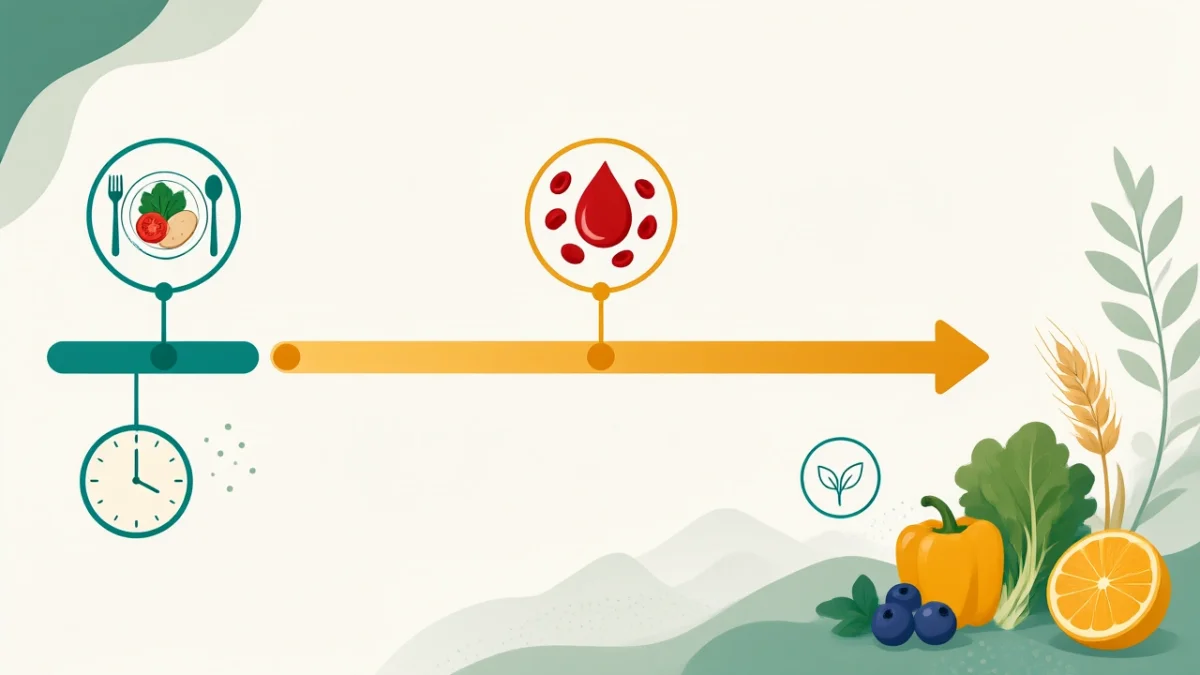
- HbA1c (Glycated Hemoglobin): This blood test estimates your average blood sugar over the past 2 to 3 months. Glucose sticks to hemoglobin proteins inside your red blood cells, and red blood cells live for roughly 90 to 120 days. Even if a supplement improves your daily sugar levels in week 3, your HbA1c cannot reflect the full change until 8 to 12 weeks.
Week-by-Week Timeline: What to Expect From Day 1 to Week 12
If a supplement works for you, progress usually follows a quiet, gradual curve rather than a sudden drop. Here is what human clinical trials suggest happens across the first three months.
Weeks 1 to 2: Digestive Adjustment (And Mostly Quiet Numbers)
During the first 14 days, your gut is adapting to the new compound. Ingredients like berberine and magnesium commonly cause mild gas, loose stools, or stomach cramping early on, especially if taken on an empty stomach.
- What happens internally: Gut enzymes and cellular energy pathways—such as AMPK (AMP-activated protein kinase), an enzyme that helps cells pull glucose out of the bloodstream—begin activating with each dose.
- What you see: Usually very little on a morning glucometer, though viscous soluble fibers (like psyllium) may soften sharp after-meal spikes right away. Do not judge the supplement yet.
Weeks 3 to 4: Early Shifts in Fasting and Post-Meal Readings
By the end of the first month, cumulative daily dosing starts showing up in blood sugar logs for responsive ingredients.
- What happens internally: Insulin signaling in muscle and liver tissue becomes slightly more efficient.
- What you see: A 2023 pilot trial in adults with prediabetes taking berberine found statistically significant drops in fasting plasma glucose by the 4-week mark. On a continuous glucose monitor (CGM) or fingerstick log, you may notice smaller post-dinner peaks or slightly steadier morning numbers.
Weeks 8 to 12: The True Evaluation Window
Almost all well-designed human randomized trials evaluate metabolic supplements between 8 and 13 weeks.
- What happens internally: Enough older red blood cells have turned over for lab tests to capture sustained changes in average glucose.
- What you see: Measurable shifts in HbA1c, fasting glucose, and sometimes triglycerides. If you have taken a clinically studied dose consistently with food and movement for 12 full weeks and your labs have not budged, the supplement is unlikely to help you.
Timeline and Evidence by Ingredient: What Human Studies Show
Not all blood sugar ingredients work at the same speed—and several popular ones have weak or conflicting human evidence. A “blood sugar blend” only moves as fast as the active ingredients inside it, assuming they are included at studied doses.
| Ingredient:Ingredient | How It Is Thought to Work:How It Is Thought to Work | Studied Timeline in Human Trials:Studied Timeline in Human Trials | Typical Trial Dose:Typical Trial Dose | Evidence Strength & Caveat:Evidence Strength & Caveat |
| Ingredient:Berberine | How It Is Thought to Work:Activates AMPK enzyme, slows gut carb breakdown, and supports insulin sensitivity | Studied Timeline in Human Trials:1–4 weeks for early fasting glucose shifts; 8–13 weeks for HbA1c reductions | Typical Trial Dose:1,000–1,500 mg/day (split into 2–3 doses before meals) | Evidence Strength & Caveat:Moderate (Human RCTs & Meta-analyses). A 2008 RCT of adults with type 2 diabetes showed HbA1c drops over 13 weeks, though NCCIH notes many studies were small or limited in quality. |
| Ingredient:Cinnamon | How It Is Thought to Work:May mimic insulin activity and slow stomach emptying after meals | Studied Timeline in Human Trials:20–40 days for post-meal/fasting shifts in small trials; 12 weeks for HbA1c | Typical Trial Dose:120 mg to 6,000 mg (1–6 g) daily | Evidence Strength & Caveat:Mixed / Conflicting. Some small trials (e.g., a 2012 trial of 69 adults) found A1C drops at 3 months, while others found zero benefit. NCCIH states evidence is conflicting. |
| Ingredient:Chromium | How It Is Thought to Work:Trace mineral involved in insulin receptor signaling | Studied Timeline in Human Trials:8–16 weeks for fasting glucose and HbA1c changes | Typical Trial Dose:200–1,000 mcg/day (often as chromium picolinate) | Evidence Strength & Caveat:Mixed / Conflicting. A 2022 meta-analysis of 16 studies (868 adults) found modest HbA1c improvements, yet NCCIH notes conflicting trial results and kidney/liver cautions at high doses. |
| Ingredient:Magnesium | How It Is Thought to Work:Cofactor for hundreds of enzymes regulating insulin action and glucose transport | Studied Timeline in Human Trials:4–16 weeks in people with low baseline magnesium | Typical Trial Dose:250–350 mg/day (supplement upper limit is 350 mg) | Evidence Strength & Caveat:Moderate in Deficiency / Mixed Overall. A 2021 review of 25 studies found lower fasting glucose in deficient adults, but NCCIH notes benefits are unclear if your levels are already normal. |
| Ingredient:Alpha-Lipoic Acid (ALA) | How It Is Thought to Work:Antioxidant studied mainly for diabetic nerve discomfort and oxidative stress | Studied Timeline in Human Trials:3–5 weeks for nerve tingling/burning symptoms; 8–24 weeks in metabolic trials | Typical Trial Dose:600–1,200 mg/day | Evidence Strength & Caveat:Weak for Blood Sugar. Moderate human evidence supports nerve symptom relief over 3–5 weeks, but NCCIH concludes there is not enough evidence that ALA meaningfully lowers blood glucose. |

How Do Supplements Compare to Prescription Metformin?
Readers often see berberine called "nature's metformin" online and expect the exact same speed. In clinical trials, immediate-release metformin—an FDA-approved prescription medication—begins lowering fasting plasma glucose within the first week, reaching steady, full effects around 2 months.
In a small 2008 randomized trial of adults with newly diagnosed type 2 diabetes, 500 mg of berberine taken three times daily lowered fasting and after-meal glucose along a similar 13-week curve. However, prescription metformin is backed by decades of large-scale safety and dosing trials, whereas dietary supplements vary widely in purity, absorption, and manufacturing quality.
7 Reasons a Blood Sugar Supplement Seems to Take Forever (Or Fails)
If you are past Week 4 with zero change, one of seven practical bottlenecks is usually to blame.
- You are expecting a physical "feeling." Blood sugar supplements are not stimulants. Stabilizing glucose happens silently; the only reliable way to spot progress is through a glucometer, CGM, or lab draw.
- You are taking a short-acting dose once a day. Berberine has a biological half-life (the time it takes your body to clear half a dose) of roughly 5 to 6 hours. Swallowing one capsule at breakfast leaves your afternoon and evening meals uncovered.
- Wrong meal timing. Taking glucose-modulating ingredients 15 to 30 minutes before or with your largest carbohydrate meals aligns them with incoming sugar. Taking them at bedtime on an empty stomach often wastes their post-meal effect and upsets your stomach.
- Under-dosed "proprietary blends." Many multi-ingredient capsules cram six herbs into a 600 mg blend. If a label hides individual amounts behind a proprietary blend, you may be getting a fraction of the 1,000–1,500 mg berberine or multi-gram cinnamon doses used in trials.
- You are not deficient in the mineral you bought. Chromium and magnesium help most when your body is actually running low. Topping off an already full tank rarely moves blood sugar.
- Poor sleep, high stress, or refined carbs are overpowering the supplement. Cortisol from poor sleep and liquid sugars can spike blood glucose far harder than any mild botanical can blunt. Supplements add a modest nudge on top of nutrition and walking—they cannot outwork daily soda or chronic sleep loss.
- Unverified product quality. Because the U.S. FDA does not test dietary supplements for effectiveness or purity before they hit store shelves, independent tests sometimes find capsules with less active ingredient than printed on the label.
Practical Checklist: How to Test a Blood Sugar Supplement Fairly
Before you spend money on a second or third bottle, run a structured 12-week personal check with your clinician's blessing:
- [ ] Step 1: Get baseline numbers before Day 1. Ask your doctor for a baseline HbA1c and fasting plasma glucose test, or log 5 to 7 mornings of fasting fingerstick readings before taking your first capsule.
- [ ] Step 2: Audit the Supplement Facts panel. Verify that the primary ingredient matches human trial doses (not a hidden proprietary blend) and carries a third-party quality seal such as USP, NSF, or ConsumerLab.
- [ ] Step 3: Start low for Week 1. If using an ingredient known for stomach upset (like berberine), start with one mealtime dose daily for 4 to 7 days before building up to the full divided schedule.
- [ ] Step 4: Pair doses with consistent meals. Take your capsules right before or with meals at roughly the same times each day, and keep your diet and post-meal walking habits steady so you know what is causing any change.
- [ ] Step 5: Check 2-hour after-meal readings at Week 4. Compare your post-meal averages from Week 4 against your Week 0 baseline.
- [ ] Step 6: Retest HbA1c at Week 12. Schedule follow-up bloodwork around the 3-month mark. If neither fasting glucose nor HbA1c improved, stop wasting money and review medical options with your doctor.
Want to learn how to spot under-dosed labels before you buy? If you are comparing formulas right now, check out ourBlood Sugar Supplements Guideon Supplement Reality for plain-English breakdowns of studied doses, red-flag label claims, and third-party testing seals.
Myths vs. Evidence on Blood Sugar Supplement Speed
| Common Claim or Myth:Common Claim or Myth | What Clinical Evidence Actually Shows:What Clinical Evidence Actually Shows |
| Common Claim or Myth:"This natural formula flushes excess sugar out of your body in 24 hours." | What Clinical Evidence Actually Shows:False. Healthy kidneys already filter excess glucose; supplements do not "detox" sugar overnight. Meaningful metabolic adaptation takes 2 to 12 weeks. |
| Common Claim or Myth:"If you don't feel an energy rush in Week 1, the dose is too weak." | What Clinical Evidence Actually Shows:False. Glucose-support ingredients are non-stimulants. Steadier blood sugar often feels completely neutral—only lab or meter numbers confirm it. |
| Common Claim or Myth:"Natural supplements work just as reliably as diabetes medications." | What Clinical Evidence Actually Shows:False. The NCCIH emphasizes that overall scientific evidence is not strong enough to recommend any dietary supplement to prevent or manage diabetes in place of proven medical care. |
| Common Claim or Myth:"More ingredients in one pill means faster results." | What Clinical Evidence Actually Shows:Usually false. Multi-herb blends frequently under-dose every ingredient to fit inside one capsule and make it impossible to tell which compound caused a side effect. |
Who Should Be Careful (And FDA Safety Warnings)
Natural does not mean risk-free—especially when blood sugar is involved.
- People taking diabetes medications: Combining berberine, cinnamon, fenugreek, or chromium with insulin, sulfonylureas, or metformin can drop blood sugar too low (hypoglycemia), causing shakiness, sweating, confusion, or fainting.
- People on blood thinners or liver-metabolized drugs: Berberine can alter liver enzymes (CYP enzymes) that process prescription medications such as cyclosporine, losartan, and certain blood thinners.
- Pregnant or breastfeeding individuals and infants: NCCIH advises against using berberine during pregnancy or breastfeeding, and warns it must never be given to infants due to the risk of dangerous bilirubin buildup (kernicterus). Concentrated fenugreek should also be avoided during pregnancy.
- People with kidney or liver disease: High doses of chromium have been linked to rare reports of kidney and liver injury, and reduced kidney function slows how the body clears berberine.
- Watch out for illegal "diabetes cure" products: The U.S. FDA actively warns consumers against supplements marketed to "treat, cure, or prevent diabetes" or replace insulin. FDA testing has caught fraudulent products secretly spiked with undeclared prescription diabetes drugs.
Questions to Ask Your Doctor or Pharmacist
Bring these four quick questions to your next appointment or pharmacy counter before starting a supplement:
- "Could any ingredient in this bottle interact with my current prescriptions—especially blood sugar, blood pressure, or cholesterol drugs?"
- "Given my kidney and liver lab results, are ingredients like berberine or chromium safe for me to trial?"
- "What exact fasting or after-meal blood sugar numbers would tell me this supplement is pushing my levels too low?"
- "Should we schedule a follow-up HbA1c test in 12 weeks to see if this is actually making a measurable difference?"
Key Takeaways
- Expect weeks, not hours: Most studied blood sugar supplements take 2 to 4 weeks to nudge daily fasting or after-meal glucose and 8 to 12 weeks to shift HbA1c.
- Match the timeline to the test: HbA1c reflects a 90-day average of red blood cells, so testing it at Week 2 will almost always look unchanged.
- Evidence varies sharply by ingredient: Berberine has moderate human trial support over 8–13 weeks; magnesium helps mainly if you are deficient; cinnamon and chromium show mixed results; alpha-lipoic acid has weak evidence for blood sugar lowering.
- Consistency and dose timing matter: Dividing doses before meals and sticking with a third-party-tested product gives you a fair 12-week test.
- Safety comes first: Always check with a pharmacist or doctor if you take prescription drugs, and skip any product promising to "cure" diabetes.
[[IMAGE: A calm, natural lifestyle photo of an ordinary woman in her 40s standing at a bright community pharmacy counter, smiling slightly while discussing a supplement bottle and a written list of questions with a friendly pharmacist in casual business attire without a white coat, natural indoor lighting, 16:9 | alt: Person discussing blood sugar supplement questions with a pharmacist | caption: A quick five-minute check with your pharmacist can prevent hidden medication interactions before you start.]]
Ready for Your Next Step?
If you have not already, write down your baseline morning blood sugar for five days and take your ingredient list to your pharmacist or doctor. When you are ready to compare specific formulas against clinical doses and safety standards, explore our Blood Sugar Supplements Evidence Hub or review our Supplement Quality & Safety Essentials before you buy.
Frequently Asked Questions
Can blood sugar supplements lower blood sugar immediately after a meal?
Most daily blood sugar supplements do not work immediately like insulin or fast-acting medication. Viscous soluble fibers (such as psyllium) can slow carbohydrate absorption during the same meal, slightly blunting a spike right away. However, herbal and mineral supplements like berberine, chromium, and magnesium require 2 to 4 weeks of consistent daily use to improve cellular glucose uptake.
How long does berberine take to lower blood sugar?
In human clinical trials, berberine typically begins shifting fasting blood sugar within 2 to 4 weeks, with full HbA1c improvements appearing at 8 to 13 weeks. Most studies use 1,000 to 1,500 mg per day divided into two or three doses taken right before meals. Because berberine leaves the body within a few hours, splitting the dose is key to steady results.
How long should I try a blood sugar supplement before deciding it does not work?
Give a properly dosed, third-party-tested supplement a full 12 weeks (about 3 months) alongside steady eating and movement habits. Because HbA1c reflects average blood sugar over roughly 90 days, stopping at Week 2 or Week 3 is too early to judge long-term impact. If your 12-week labs show no meaningful change, stop taking it and consult your doctor.
Will I feel any physical signs that a blood sugar supplement is working?
No—most people do not feel a physical sensation when a blood sugar supplement is working. Metabolic supplements are not stimulants and will not give you a sudden burst of energy. If you suddenly feel shaky, dizzy, sweaty, or unusually hungry, check your blood sugar right away, as those can be warning signs of low blood sugar (hypoglycemia)—especially if you also take diabetes medication.
How long does cinnamon take to lower blood sugar?
In small human trials that reported benefits, cinnamon took between 20 days and 3 months to lower fasting glucose or HbA1c. However, both the NCCIH and Cleveland Clinic note that clinical trial results for cinnamon are conflicting, with several well-run studies showing no significant effect at all. Using culinary cinnamon on food is generally safe, whereas high-dose Cassia cinnamon supplements can stress the liver due to coumarin content.
Is it safe to take blood sugar supplements with metformin?
You should only combine blood sugar supplements with metformin under a doctor's supervision. Taking compounds like berberine alongside metformin can amplify glucose-lowering effects, increase digestive side effects like diarrhea and cramping, and alter how medications are processed. Your doctor may want to monitor your glucose more closely if you combine them.





One Comment