Can You Lose Weight with Supplements Alone (Without Diet or Exercise)?
Educational Disclosure: This is an educational article. It has no affiliate links and does not sell or promote any product.
Medical Note: This guide gives general health facts, not medical advice. Talk to your doctor or pharmacist before you try any supplement. This matters most if you have a health issue, take daily drugs, are pregnant, or nurse a baby. Never stop a prescribed medicine on your own.
Last reviewed: November 22, 2026. If you spot something out of date or wrong, tell me and I’ll fix it.
You see ads for pills that claim to melt fat while you sit on the couch. You might wonder if a capsule can drop pounds on its own.
No, supplements alone do not cause lasting weight loss without changes to your food or movement. Human trials show that over-the-counter pills lead to little or no weight loss on their own. When small drops happen, they usually average under two pounds over several months. Real fat loss still needs a calorie deficit from food, activity, or medical care.
A dietary supplement is a pill, powder, or liquid made to add to your normal diet. People search for solo pill fixes because diet plans feel hard and life gets busy. Taking a pill feels like pushing an easy button. Yet your body works more like a locked bank vault than a light switch. One tiny pill cannot override how much energy you eat and burn all day.
To write this guide, I checked official reviews from the National Institutes of Health (NIH) Office of Dietary Supplements (2022), the National Center for Complementary and Integrative Health (NCCIH, 2023), and the Mayo Clinic (2024). I also reviewed major clinical papers, including a 2021 systematic review of 315 human trials published in the journal Obesity.
Here is what you will learn in this guide:
- How weight loss pills claim to work in your body
- What large human studies show when people skip diet and exercise
- How common ingredients stack up for safety and results
- Myths vs. real facts about “fat burners” and detox teas
- Smart steps and questions to bring to your doctor

What Are Weight Loss Supplements?
Weight loss supplements are non-prescription products sold to help lower body weight or body fat. They come as pills, gummies, powders, and teas.
Unlike prescription drugs, the U.S. Food and Drug Administration (FDA) does not test these products for safety or proof before stores sell them. Brands can put a bottle on the shelf without proving it drops a single pound.
Most products pack several herbs, fibers, minerals, or stimulants into one blend. Common goals on the label include burning fat, blocking carbs, or curbing hunger.
How Do Supplements Claim to Cause Weight Loss?
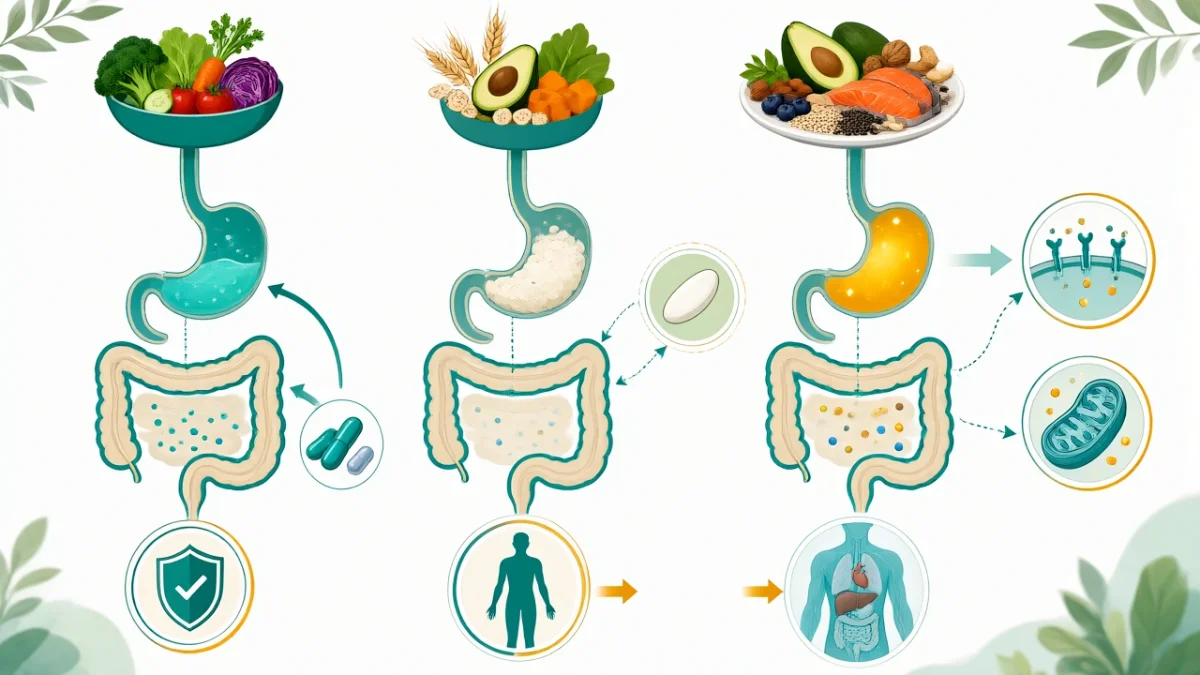
Most weight loss pills claim to work through one of three main paths: boosting calorie burn, blocking food absorption, or dulling hunger.
In theory, these paths sound smart. In real life, the size of the effect is tiny.
- Thermogenesis (extra calorie burn): Stimulants like caffeine speed up your nervous system. Your body burns a few extra calories as heat. Yet a 2022 NIH Office of Dietary Supplements review notes that regular caffeine users build a fast tolerance, so this tiny boost fades.
- Fat or carb blocking: Ingredients like chitosan or white kidney bean extract try to bind fat or starch in your gut. The goal is to pass those calories out in your stool. In human tests, most calories still get absorbed.
- Satiety (feeling full): Soluble fibers like glucomannan swell with water in your stomach. They slow down how fast food leaves your gut. This can help you feel full, yet it only works if you eat less food as a result.
Supplement Claims vs. Body Reality
| Supplement Pathway:Supplement Pathway | Common Ingredients:Common Ingredients | How Brands Say It Works:How Brands Say It Works | What Happens in Real Life:What Happens in Real Life | Source:Source |
| Supplement Pathway:Thermogenesis | Common Ingredients:Caffeine, bitter orange, capsaicin | How Brands Say It Works:Speeds up metabolism to burn stored fat all day | What Happens in Real Life:Burns roughly 50 to 100 extra calories at first, then fades with tolerance | Source:NIH ODS (2022) |
| Supplement Pathway:Appetite Control | Common Ingredients:Glucomannan, chromium, green tea | How Brands Say It Works:Shuts off hunger signals so you eat less automatically | What Happens in Real Life:Produces mild fullness at best; does not stop habit eating | Source:NIH ODS (2022) |
| Supplement Pathway:Nutrient Blocking | Common Ingredients:White kidney bean, chitosan | How Brands Say It Works:Stops dietary fat or carbs from entering your blood | What Happens in Real Life:Blocks a tiny fraction of calories and often causes gas | Source:Mayo Clinic (2024) |
| Supplement Pathway:Water Loss | Common Ingredients:Dandelion, senna, herbal teas | How Brands Say It Works:Flushes "toxins" and drops scale weight fast | What Happens in Real Life:Sheds water and stool, not body fat; weight returns fast | Source:NCCIH (2023) |
Why Supplements Alone Fail Without Diet or Exercise
Supplements fail on their own because your body defends its weight through strong hunger hormones and tiny metabolic shifts.
Fat loss requires an energy deficit. You must take in fewer calories than your body uses over weeks and months. A pill cannot create a large deficit by itself.
Think about the math. One pound of body fat stores about 3,500 calories. A strong stimulant pill might burn 50 extra calories a day. Even if that boost never faded, losing one pound would take 70 days. One extra cookie or large latte wipes out three days of that pill's work.
Your brain also fights back. When your body senses a small drop in energy, hormones like ghrelin rise to make you hungrier. Without a meal plan or daily movement, most people eat back those few burned calories without noticing.
What Does the Science Say About Taking Supplements Alone?
Large clinical reviews agree that dietary supplements do not produce meaningful weight loss on their own.
In 2021, researchers led by Dr. John Batsis published a major systematic review in the journal Obesity. They screened over 20,000 papers and examined 315 randomized controlled trials of weight loss supplements and alternative therapies in adults. Only 52 trials had low bias and enough data to judge well. Out of those, just 16 studies showed any real weight gap over a fake pill, and the losses ranged from only 0.3 kg to 4.93 kg (less than a pound to about 10 pounds), mostly alongside diet plans.
The Mayo Clinic (2024) reports a similar picture. Most trials that show weight loss pair the pill with a low-calorie diet and regular exercise. Both the pill group and the sugar-pill group lose weight because of the diet, not the capsule.
Evidence Strength for Popular Weight Loss Ingredients
| Ingredient:Ingredient | Marketing Claim:Marketing Claim | Evidence Level:Evidence Level | What Human Studies Show:What Human Studies Show | Primary Source:Primary Source |
| Ingredient:Green Tea Extract | Marketing Claim:Boosts fat burning and metabolism | Evidence Level:Weak / No meaningful effect | What Human Studies Show:A 2012 Cochrane review of 18 randomized trials (12+ weeks) in overweight adults found weight loss was tiny and not clinically useful. | Primary Source:NCCIH (2023) |
| Ingredient:Caffeine | Marketing Claim:Increases calorie burn and energy | Evidence Level:Mixed (short-term only) | What Human Studies Show:May cause slight weight loss or less weight gain over time, but tolerance builds fast. | Primary Source:NIH ODS (2022) |
| Ingredient:Glucomannan | Marketing Claim:Fills your stomach to block hunger | Evidence Level:Little to no effect | What Human Studies Show:Multiple human trials show little or no impact on body weight, though it may aid cholesterol. | Primary Source:NIH ODS (2022) |
| Ingredient:Garcinia Cambogia | Marketing Claim:Blocks fat production and curbs appetite | Evidence Level:Weak / Inconclusive | What Human Studies Show:Short trials show little to no weight difference over placebo; linked to liver stress in rare cases. | Primary Source:NIH ODS (2022) |
| Ingredient:Bitter Orange | Marketing Claim:Burns fat as a safe ephedra swap | Evidence Level:Weak / Safety concern | What Human Studies Show:Small, low-quality trials show unclear weight loss; can raise heart rate and blood pressure. | Primary Source:NCCIH (2023) |
| Ingredient:Raspberry Ketones | Marketing Claim:Melts fat cells rapidly | Evidence Level:No good human proof | What Human Studies Show:One 8-week trial of 70 adults tested a multi-ingredient mix with diet and exercise; solo use lacks proof. | Primary Source:Mayo Clinic (2024) |
| Ingredient:Acai Berry | Marketing Claim:Triggers rapid detox weight loss | Evidence Level:No human proof | What Human Studies Show:No peer-reviewed human trials show acai alone causes weight loss. | Primary Source:NCCIH (2023) |
Hidden Risks of Relying on Weight Loss Pills
Many people think "natural" means harmless, yet weight loss pills carry real medical risks.
Because the FDA does not approve supplements before sale, bottles sometimes contain wrong doses or hidden drugs.
- Heart and blood pressure strain: High doses of caffeine, bitter orange (synephrine), or guarana can trigger a racing heart, chest pain, high blood pressure, and anxiety. In 2004, the FDA banned ephedra after linking it to heart attacks and strokes.
- Liver injury: Concentrated green tea extract and multi-ingredient "fat burners" have been linked to rare but serious liver damage in clinical case reports noted by the NIH (2022) and Mayo Clinic (2024).
- Tainted products: The NCCIH (2023) warns that FDA lab tests have found hidden prescription weight loss drugs, laxatives, and banned stimulants inside over-the-counter diet pills.
- Drug interactions: Herbal extracts can change how your liver processes blood thinners, blood pressure pills, and depression medicines.
If you want to understand how stimulant blends affect your heart and liver day to day, read our full breakdown of fat burner supplement side effects before buying any bottle.
Myths vs. Evidence: Common Beliefs About Diet Pills
Marketing relies on half-truths that sound scientific. Here is what the evidence actually says.
- Myth: "Clinical studies prove this pill melts fat without exercise." Evidence: Almost every trial cited on supplement labels required users to cut calories and walk or exercise. The pill did not work solo.
- Myth: "Detox teas flush out trapped fat and toxins." Evidence: Detox teas rely on caffeine and herbal laxatives like senna. You lose water and waste, not body fat. Once you drink water, the pounds come right back.
- Myth: "Natural plant extracts are safer than prescription weight loss drugs." Evidence: Prescription drugs undergo years of strict FDA safety and dose testing. Natural herbs can still harm your liver, spike blood pressure, or clash with daily medications.
- Myth: "If one pill burns a little fat, taking double will work twice as fast." Evidence: Doubling a stimulant dose raises your risk of heart palpitations, panic, and nausea without speeding up fat loss.
A Practical Checklist Before You Buy Any Weight Loss Supplement
Before you spend money on a bottle, run through these six checks.
- Check your daily habits first: Are you getting enough sleep, protein, and daily steps? A pill cannot fix poor sleep or liquid calories.
- Look for human trial proof: Search if the exact ingredient was tested in humans without a strict diet plan.
- Skip "proprietary blends": If a label hides exact milligram amounts behind a blend name, you cannot tell if the dose is safe or useless.
- Add up total stimulants: Check for hidden caffeine from guarana, yerba mate, kola nut, and green tea extract. Keep total daily caffeine under 400 mg for healthy adults, per FDA guidance.
- Look for third-party testing seals: Seals from USP, NSF International, or ConsumerLab check that the bottle contains what the label claims. They prove purity, not weight loss power.
- Review your medication list: Ask a pharmacist to check for interactions with your current prescriptions.
Who Should Be Careful or Avoid Weight Loss Supplements?
Some groups face higher risks from weight loss pills and should avoid them unless a doctor directs otherwise.
- People with heart issues or high blood pressure: Stimulants can trigger dangerous heart rhythms and pressure spikes.
- Anyone with liver or kidney disease: Concentrated herbal extracts add extra stress to organs that filter waste.
- People with anxiety or sleep disorders: Even mild stimulants can worsen panic, jitters, and insomnia.
- Pregnant or breastfeeding women: Most herbal weight loss ingredients lack safety testing for babies.
- Teens and older adults: Growing bodies and older adults taking multiple drugs face higher odds of side effects.
Evidence-Based Ways to Lose Weight That Actually Work
If pills do not work on their own, small, steady shifts in food, sleep, and movement do.
You do not need a punishing diet or two hours at the gym. Start with basics backed by strong clinical proof:
- Prioritize protein and whole fiber: Eating lean protein (eggs, fish, beans, yogurt) and whole vegetables keeps you full on fewer calories naturally.
- Cut liquid calories: Swapping sugary sodas, sweet coffee drinks, and juices for water or plain tea creates an easy daily calorie drop without hunger.
- Walk more each day: Adding a 20- to 30-minute daily walk burns calories, lowers stress, and helps preserve muscle.
- Protect your sleep: Sleeping fewer than seven hours raises hunger hormones and sugar cravings the next day.
- Ask a doctor about medical options: If lifestyle changes are not enough, doctors can discuss proven medical nutrition therapy or FDA-approved weight management medications.
[[IMAGE: A calm, positive scene of an adult talking across a pharmacy counter with a friendly pharmacist while holding a notepad of questions, natural lighting, no brand logos | alt: Person discussing supplement safety and questions with a pharmacist | caption: A quick chat with a pharmacist helps you spot drug interactions and weak claims]]
Questions to Ask Your Doctor or Pharmacist
Bring these questions to your next visit so you get safe, personal advice:
- "Could any ingredient in this supplement clash with my current medications or health conditions?"
- "Is there any safe supplement that supports my overall health while I work on my diet?"
- "What is a healthy, realistic rate of weight loss for my body right now?"
- "Would working with a registered dietitian or exploring medical weight care make sense for me?"
Summary: Key Takeaways
- Supplements alone do not cause lasting weight loss: Without changes to what you eat or how much you move, over-the-counter pills lead to little or no drop in body fat.
- Clinical proof is weak: Major reviews from the NIH (2022) and a 2021 Obesity review of 315 trials show that most ingredients produce tiny, short-term changes at best.
- Marketing overstates small studies: Many brands cite short trials where people also followed low-calorie diets and exercise plans.
- Safety is not guaranteed: Supplements are not tested by the FDA before sale and can cause heart strain, liver injury, or drug interactions.
- Habits beat capsules: Simple changes like eating more protein, cutting sugary drinks, sleeping well, and walking daily deliver real results that pills cannot match.
Helpful Next Steps
Not sure where to start? Take the six-point checklist above to your doctor or pharmacist before buying any diet product.
If you want to see how all weight loss ingredients compare side by side—including realistic timelines and what actually holds up in human trials—read our complete pillar guide on whether weight loss supplements really work or check how long weight loss supplements take to work.
Frequently Asked Questions
Can any over-the-counter pill make you lose weight without dieting?
No. According to the NIH Office of Dietary Supplements (2022) and the Mayo Clinic (2024), no over-the-counter supplement causes significant, lasting weight loss without changes in diet or physical activity. Most products produce either zero weight change or an average loss of less than two pounds over several months.
Do fat burners work if you don't work out?
Fat burners do not melt stored body fat on their own if you stay inactive and eat your usual diet. Ingredients like caffeine only raise daily calorie burn by a tiny amount, and your body quickly builds a tolerance to that effect.
Why do some people say they lost weight on supplements alone?
Early weight drops usually come from water loss, mild appetite suppression, or hidden behavior changes. When people spend money on a pill, they often subconsciously eat smaller portions or snack less, which causes the actual weight loss.
Are "natural" weight loss supplements safe to take every day?
Not always. Natural herbs like bitter orange and concentrated green tea extract have been linked to high blood pressure, rapid heart rate, and rare liver injury. Always ask a doctor or pharmacist before taking any supplement daily.
What is the difference between weight loss supplements and prescription weight loss drugs?
Prescription weight loss medications go through years of strict clinical trials and FDA approval to prove they are safe and effective before doctors prescribe them. Over-the-counter supplements are sold without pre-market FDA testing for safety or proof that they work.
What should I do instead of buying weight loss pills?
Focus on sustainable daily habits that create a gentle calorie deficit without extreme hunger. Eating more protein and fiber, replacing sugary drinks with water, sleeping seven to eight hours, and taking a daily walk work far better than any supplement.