Appetite Suppressants vs. Fat Burners: What’s the Difference?
Medical Note: This article is for educational purposes only and is not medical advice. It contains no product promotion or affiliate links. If you have a health condition, take medication, or are pregnant or breastfeeding, talk to a doctor or pharmacist before trying any supplement. Never stop a prescribed treatment without medical guidance.
Last reviewed: November 22, 2026 — If you spot something out of date or wrong, tell me and I’ll fix it.
Standing in the supplement aisle can make you dizzy. One bottle promises to melt belly fat while you sit on the couch. The next bottle claims to shut off your evening snack cravings.
It is normal to feel confused when both labels promise a smaller waist. Appetite suppressants reduce how much you want to eat, while fat burners try to raise how many calories your body burns.
Appetite suppressants target hunger signals and stomach fullness so you take in fewer calories. Fat burners use stimulants or plant extracts to nudge your metabolism or boost workout energy. Understanding this difference helps you skip wasted money and avoid risky stimulants.
What Are Appetite Suppressants and Fat Burners?
An appetite suppressant is a substance that lowers your desire to eat or helps you feel full faster. A fat burner is a supplement marketed to increase energy use and help your body break down stored fat.
Think of weight management like managing a household budget.
- Appetite suppressants help you spend less money by stopping impulse buys at the store.
- Fat burners try to earn a tiny bit of extra cash on the side.
For most people, cutting out big impulse buys makes a much bigger dent in the budget than picking up loose change. Yet online ads often blur these two categories together. Many store-bought pills even mix ingredients from both groups into one capsule.
How I Researched This Guide
To give you clear, honest answers, I reviewed clinical fact sheets and safety alerts on November 22, 2026. I relied on the National Institutes of Health (NIH) Office of Dietary Supplements, the Cleveland Clinic, and peer-reviewed studies indexed on PubMed. I compared over-the-counter (OTC) supplement ingredients against clinical trial data rather than brand marketing claims.
What You Will Learn
- How each supplement type works inside your digestive tract, brain, and cells.
- A side-by-side comparison of common ingredients, costs, and side effects.
- What human studies actually say about weight loss results for both groups.
- How to spot hidden stimulants and proprietary blends on a supplement label.
- Who should avoid these products and what questions to ask your doctor.
How Do They Work in the Body?
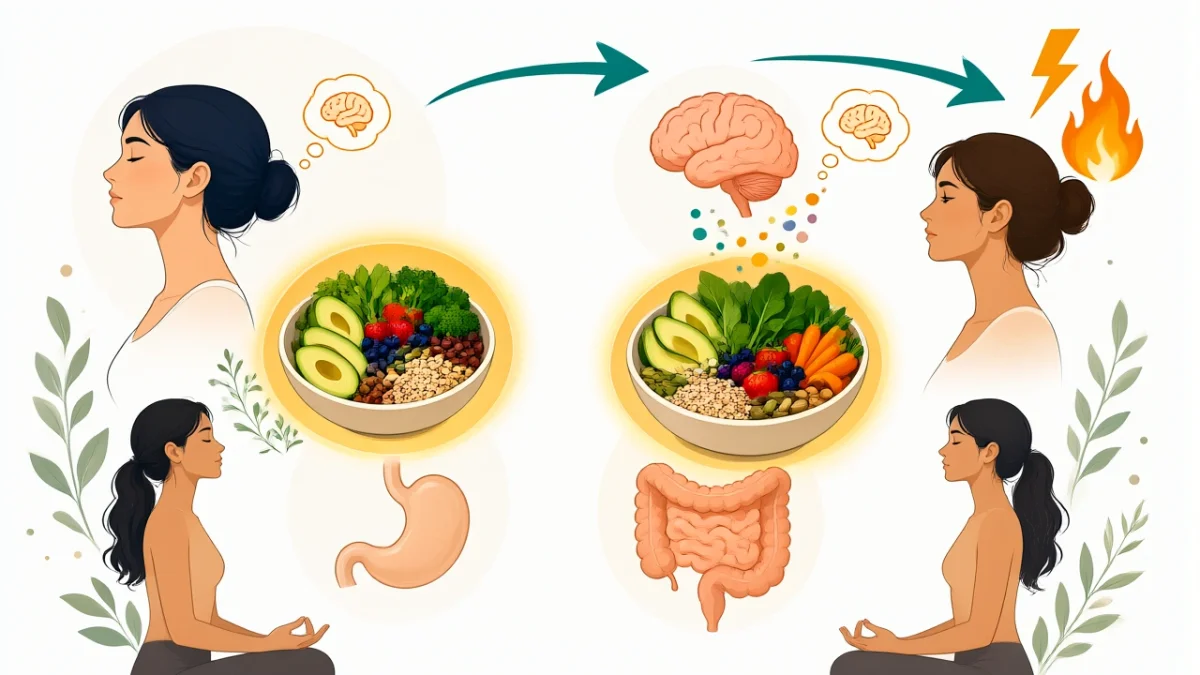
These two categories target completely different biological pathways. One works on your gut and brain signals, while the other pushes your nervous system and heat production.
How Appetite Suppressants Work
Over-the-counter appetite suppressants mostly rely on soluble fiber, protein, or plant extracts. Soluble fibers like glucomannan soak up water in your stomach and form a thick gel. This physical bulk slows down how fast food leaves your stomach, helping you feel full longer.
Prescription appetite suppressants work differently. According to the Cleveland Clinic (2023), doctor-prescribed medications target hunger hormones like ghrelin and leptin or brain messengers like serotonin. Over-the-counter pills do not have the same strong hormone-blocking power as prescription drugs.
How Fat Burners Work
Most fat burners rely on thermogenesis and lipolysis. Thermogenesis is a fancy word for heat production. When your body makes a tiny bit more heat, it burns a few extra calories at rest.
Lipolysis is the process of breaking down stored fat into fatty acids so your body can use them for fuel. Ingredients like caffeine stimulate your central nervous system to speed up this process slightly.
Appetite Suppressants vs. Fat Burners: Side-by-Side Comparison
Comparing both categories on the same criteria shows why they fit very different needs. Neither option is a magic fix, and both carry distinct trade-offs.
| Feature:Feature | OTC Appetite Suppressants:OTC Appetite Suppressants | OTC Fat Burners:OTC Fat Burners |
| Feature:Main Goal | OTC Appetite Suppressants:Reduce hunger and portion sizes | OTC Fat Burners:Raise calorie burn and workout energy |
| Feature:Common Ingredients | OTC Appetite Suppressants:Glucomannan, psyllium, protein, chromium | OTC Fat Burners:Caffeine, green tea extract, capsaicin, L-carnitine |
| Feature:How It Works | OTC Appetite Suppressants:Absorbs water in the gut; slows digestion | OTC Fat Burners:Stimulates the nervous system; raises heat output |
| Feature:Evidence Strength | OTC Appetite Suppressants:Mixed to weak for weight loss; better for fullness | OTC Fat Burners:Weak to modest; effects fade as tolerance builds |
| Feature:Typical Cost | OTC Appetite Suppressants:$15 to $40 per month | OTC Fat Burners:$25 to $60 per month |
| Feature:Main Side Effects | OTC Appetite Suppressants:Gas, bloating, loose stools, constipation | OTC Fat Burners:Jitters, racing heart, poor sleep, high blood pressure |
| Feature:Best Suited For | OTC Appetite Suppressants:People who struggle with big portions or snacking | OTC Fat Burners:People who eat well but want pre-workout energy |
What Does the Clinical Evidence Say?
Human studies show that over-the-counter supplements in both categories produce only small effects. Neither type delivers the dramatic weight loss shown in online ads.
Here is what major medical reviews and human trials report for the top ingredients in each group:
| Ingredient & Category:Ingredient & Category | Claimed Benefit:Claimed Benefit | Evidence Level:Evidence Level | Source & Study Details:Source & Study Details | Caveats & Limits:Caveats & Limits |
| Ingredient & Category:Caffeine (Fat Burner) | Claimed Benefit:Boosts metabolism and fat breakdown | Evidence Level:Modest (Short-term) | Source & Study Details:NIH Office of Dietary Supplements (2022 review of human trials) | Caveats & Limits:Your body builds tolerance fast, which shrinks the effect. |
| Ingredient & Category:Green Tea Extract (Fat Burner) | Claimed Benefit:Increases calorie burn via thermogenesis | Evidence Level:Weak / Modest | Source & Study Details:NIH Office of Dietary Supplements (2022); PMC narrative review (2022) | Caveats & Limits:High doses of concentrated extract carry a rare risk of liver injury. |
| Ingredient & Category:Glucomannan (Appetite Suppressant) | Claimed Benefit:Expands in stomach to stop hunger | Evidence Level:Mixed / Weak | Source & Study Details:8-week randomized trial of overweight adults (PMC); NIH (2022) | Caveats & Limits:The 8-week trial found no extra weight loss over placebo. Must be taken with plenty of water. |
| Ingredient & Category:Capsaicin (Fat Burner) | Claimed Benefit:Burns fat and reduces appetite | Evidence Level:Weak | Source & Study Details:NIH Office of Dietary Supplements (2022 summary of clinical trials) | Caveats & Limits:May slightly lower calorie intake at a meal, but shows no clear effect on body weight. |
| Ingredient & Category:Chromium (Appetite / Craving) | Claimed Benefit:Curbs food cravings and builds lean mass | Evidence Level:Minimal | Source & Study Details:NIH Office of Dietary Supplements (2022 review of human trials) | Caveats & Limits:Trials show very little change in body weight or body fat. |
| Ingredient & Category:Bitter Orange (Fat Burner) | Claimed Benefit:Replaces ephedra to burn calories | Evidence Level:Inconclusive / Unsafe | Source & Study Details:NIH Office of Dietary Supplements (2022) | Caveats & Limits:Can raise blood pressure and heart rate, especially when mixed with caffeine. |
My Honest Take on the Science
When you strip away the flashy labels, an over-the-counter fat burner is often just an expensive cup of coffee. You might feel more awake for a workout, which helps you move more. However, the pill itself does not melt fat off your body.
Appetite suppressants made with fiber make a bit more practical sense if evening snacking is your main hurdle. Even so, eating a bowl of oatmeal, beans, or vegetables gives you the exact same soluble fiber for a fraction of the price.
Myths vs. Evidence
Marketing copy often stretches early lab findings into big promises. Here is how common claims hold up against human research.
- Myth: Fat burners melt belly fat without diet changes.
- Evidence: No supplement targets fat in one specific body area. The NIH (2022) notes that ingredients like caffeine and green tea extract produce only small changes, and only alongside calorie control and exercise.
- Myth: "Natural" herbal diet pills are always safe.
- Evidence: Natural plants can still harm your body. Concentrated green tea extracts and multi-ingredient fat burners have been linked to serious liver injury in medical case reports.
- Myth: Over-the-counter appetite pills work like prescription GLP-1 drugs.
- Evidence: Prescription medications like semaglutide undergo years of testing and directly mimic gut hormones. Store-bought fiber or herb pills do not match their strength or clinical results.
How to Read a Weight-Loss Supplement Label
Dietary supplements do not go through strict pre-market approval for effectiveness before hitting store shelves. Checking the Supplement Facts panel protects your wallet and your heart.
Use this quick checklist before you buy any bottle:
- [ ] Spot hidden caffeine sources: Look for guarana, yerba mate, kola nut, or green coffee bean. These all add to your daily caffeine load. Keep total daily caffeine below 400 mg to avoid jitters and heart racing.
- [ ] Skip proprietary blends: If a label groups five herbs under one single milligram number, you cannot tell if any ingredient is at a safe or studied dose.
- [ ] Check for risky stimulants: Avoid bitter orange (synephrine) or yohimbe, which the NIH links to high blood pressure, chest pain, and anxiety.
- [ ] Look for third-party testing seals: Seals from USP, NSF, or ConsumerLab verify that what is on the label is actually inside the capsule, without hidden prescription drugs.
Practical Guidance: Which Approach Fits Your Routine?
If you still want a gentle nudge for your routine, match the tool to your actual daily habit.
- If you get hungry between meals: Focus on food-based appetite control first. Add 25 to 35 grams of daily fiber from oats, lentils, or berries, and eat protein at breakfast. If you try a glucomannan supplement, always drink a full 8-ounce glass of water with it so it does not swell in your throat.
- If you feel too tired to exercise: A simple cup of black coffee or plain green tea 30 minutes before a walk or gym session gives you the exact same caffeine boost as most fat burners. Avoid stimulants after 2:00 PM so they do not ruin your sleep.
- Track what actually matters: Watch your energy levels, sleep quality, and digestion during the first two weeks. If your heart races or your stomach hurts, stop taking the product right away.
Want to learn more about safe, food-first ways to manage hunger? Read our complete guide to high-fiber foods and metabolic health to build a routine that lasts.
Safety, Side Effects, and Who Should Be Careful
Both supplement types can cause uncomfortable or dangerous reactions. Fiber-based appetite suppressants often cause gas, bloating, stomach cramps, or loose stools. Stimulant fat burners frequently cause anxiety, tremors, trouble sleeping, nausea, and spikes in blood pressure.
Who Should Avoid These Supplements
Certain people face much higher risks from weight-loss supplements. You should avoid OTC fat burners and appetite suppressants unless a doctor clears them for you if you:
- Have high blood pressure, heart disease, or an irregular heartbeat.
- Have thyroid problems, liver disease, or severe anxiety.
- Take prescription blood thinners, antidepressants, or blood pressure drugs (green tea extract and herbs can alter how your liver processes medications).
- Are pregnant, trying to conceive, or breastfeeding.
- Have a history of eating disorders or swallowing difficulties (choking risk with expanding fibers).
When to See a Doctor
Stop taking any supplement and contact a healthcare provider right away if you notice yellowing skin or eyes, dark urine, severe stomach pain, dizziness, or a pounding heartbeat. Seek emergency care immediately for chest pain or trouble breathing.
Questions to Ask Your Doctor or Pharmacist
Bring the supplement bottle or a photo of the label to your next visit and ask:
- "Do any ingredients in this label interact with my current prescriptions?"
- "Is my blood pressure and heart health safe for caffeine or herbal stimulants?"
- "Would a medical weight-management plan or prescription option make more sense for my health goals?"

Summary: Key Takeaways
- Different mechanisms: Appetite suppressants aim to reduce calorie intake by increasing fullness, while fat burners aim to slightly raise calorie burn and energy using stimulants.
- Modest evidence: Clinical reviews from the NIH show that over-the-counter ingredients in both categories offer only small, short-term effects at best.
- Safety comes first: High-stimulant fat burners can raise heart rate and blood pressure, and concentrated herbal extracts carry rare liver risks.
- Food beats pills: Whole foods rich in protein and soluble fiber suppress appetite naturally without hidden stimulants or high price tags.
Frequently Asked Questions
Can you take an appetite suppressant and a fat burner together?
No, combining them is usually a bad idea unless a doctor approves it. Many appetite suppressants already contain caffeine or green tea extract, so stacking two products can push you past safe daily stimulant limits and cause a racing heart or nausea.
Which works faster: an appetite suppressant or a fat burner?
You will feel the short-term effects of both within an hour, though neither causes rapid fat loss. A stimulant fat burner boosts alertness quickly like coffee, while a fiber-based appetite suppressant swells in your stomach before a meal to help you feel full sooner.
Do fat burners actually burn belly fat?
No, fat burners cannot target fat in your belly or any single spot. Clinical studies show that ingredients like caffeine and green tea extract only slightly increase overall calorie burn, and meaningful fat loss still requires a calorie deficit and regular movement.
Are over-the-counter appetite suppressants FDA-approved?
No, over-the-counter dietary supplements are not approved by the FDA for safety or effectiveness before they are sold. Only prescription weight-loss medications go through strict clinical trials and FDA approval before reaching patients.
What is the safest natural appetite suppressant?
Whole foods high in soluble fiber and lean protein are the safest ways to curb hunger. Foods like oats, beans, chia seeds, apples, and Greek yogurt slow down digestion and support fullness hormones without the side effects of diet pills.
Why do fat burners make me feel jittery?
Most fat burners rely on high doses of caffeine or herbal stimulants like guarana and bitter orange. These compounds stimulate your central nervous system and raise adrenaline, which can trigger shakiness, anxiety, and a fast heartbeat.