What Are the Side Effects of Fat Burner Supplements?
Educational Disclosure & Medical Note: This is an educational article with no product promotion or affiliate links. The content below is for informational purposes only and is not medical advice. If you have an existing medical condition, take prescription or over-the-counter medications, or are pregnant or breastfeeding, talk to a doctor or pharmacist before starting any dietary supplement. Never stop a prescribed treatment without medical guidance.
Last reviewed: November 21, 2026. If you spot something out of date or wrong, tell me and I’ll fix it.
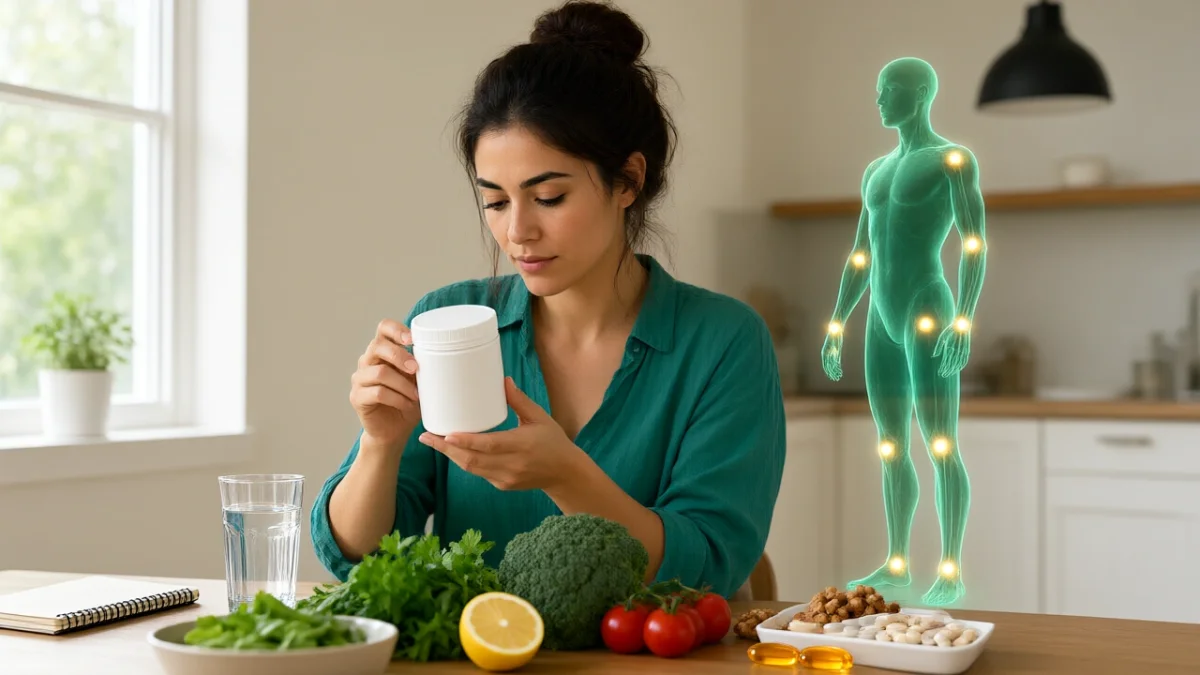
If you are considering a weight loss pill or pre-workout thermogenic, you are probably wondering what fat burner side effects actually feel like—and where mild jitters cross the line into real medical risk.
The short answer: Common fat burner side effects include a racing heart, high blood pressure, anxiety, insomnia, headaches, and digestive upset like nausea or diarrhea. More serious—though less common—reactions include heart rhythm disturbances, acute liver injury from concentrated herbal extracts like green tea extract or Garcinia cambogia, and dangerous interactions with prescription medications.
Most people pick up a fat burner expecting a gentle nudge for stubborn weight. What they often get instead is a multi-ingredient stimulant cocktail whose combined effects have never been tested in a human clinical trial.
What Are Fat Burner Supplements?
A fat burner supplement is an over-the-counter dietary supplement marketed to increase resting energy expenditure, boost fat oxidation (the breakdown of fatty acids for fuel), or suppress appetite.
Think of your metabolism like a household furnace. A fat burner tries to crank the thermostat higher using stimulants and plant extracts—but unlike a smart thermostat, these ingredients push your nervous system, heart, and liver at the same time.
In the United States, the Food and Drug Administration (FDA) does not test or approve dietary supplements for safety or effectiveness before they reach store shelves. Manufacturers can sell complex blends first, and regulators generally step in only after adverse events or hospitalizations are reported.
How I Researched This Guide
To separate real clinical risks from gym-floor rumors, I reviewed the National Institutes of Health (NIH) Office of Dietary Supplements (ODS) fact sheet on Dietary Supplements for Weight Loss (updated October 2026), the NIH LiverTox clinical database, scientific safety opinions from the European Food Safety Authority (EFSA), FDA recall notices, and peer-reviewed human studies indexed on PubMed—including nationally representative emergency department surveillance published in the New England Journal of Medicine.
What You Will Learn in This Guide
- The most common day-to-day side effects and why they happen
- Severe organ risks, including stimulant-driven heart events and supplement-induced liver injury
- A breakdown of the 6 most common fat burner ingredients, their mechanisms, and risk profiles
- How marketing claims stack up against actual human clinical evidence
- A practical label-checking safety checklist and warning signs that require medical care
Common Short-Term Fat Burner Side Effects
Most immediate fat burner side effects come from central nervous system stimulants—primarily caffeine, bitter orange (Citrus aurantium), and yohimbine—acting on your sympathetic nervous system.
When you swallow a capsule containing 200 to 400 milligrams of caffeine alongside secondary herbal stimulants, your adrenal glands release epinephrine (adrenaline) and norepinephrine. In everyday terms, your body reacts as if you are sprinting away from danger while sitting at your desk.
- Cardiovascular Jitters and Palpitations: A fluttering heartbeat, elevated resting pulse, and temporary spikes in systolic and diastolic blood pressure.
- Anxiety, Restlessness, and Irritability: Excess adrenaline frequently mimics a panic attack, causing hand tremors, sweating, and racing thoughts.
- Insomnia and Sleep Fragmentation: Caffeine has an average half-life of about 5 hours, meaning a midday dose can still disrupt deep sleep at midnight—ironically raising hunger hormones like ghrelin the next day.
- Gastrointestinal Distress: Nausea, stomach cramping, acid reflux, and urgent diarrhea are common, especially when concentrated extracts or capsaicin (cayenne pepper extract) are taken on an empty stomach.
- Rebound Fatigue and Headaches: Once stimulants wear off—or when you stop taking them after a 10- to 14-day cycle—blood vessels dilate, often triggering withdrawal headaches and heavy midday crashes.
Serious Risks: Heart Events, Liver Injury, and Hidden Drugs
While jitteriness fades when a dose wears off, nationally representative surveillance data published in the New England Journal of Medicine (Geller et al., 2015) estimated roughly 23,000 emergency department visits every year in the United States due to dietary supplement adverse events. Weight loss and energy products accounted for more than a third of adult visits, most often driven by heart palpitations, chest pain, and rapid heart rate in young adults.
1. Cardiovascular Events and Arrhythmias
Combining high-dose caffeine with synephrine (from bitter orange) or yohimbine creates a synergistic stimulant effect. A 2023 systematic review of case reports on stimulant pre-workout and thermogenic supplements indexed in PubMed Central documented serious events including hypertensive urgency, irregular heart rhythms (arrhythmias), coronary artery spasm, and stroke—even in otherwise healthy users.
2. Acute Liver Injury (Hepatotoxicity)
Brewed green tea is safe for almost everyone, but concentrated green tea extract (GTE) in pill form is a leading cause of herbal-induced liver injury. According to the NIH LiverTox database (updated 2020), over 100 cases of clinically apparent acute liver injury have been linked to green tea extract supplements, typically appearing 1 to 6 months after starting. In 2018, the European Food Safety Authority (EFSA) concluded that catechin doses at or above 800 mg per day of EGCG (epigallocatechin gallate) from supplements pose measurable liver toxicity concerns, particularly when taken while fasting. Garcinia cambogia and multi-ingredient weight loss blends have also been linked to acute hepatitis and rare cases of liver failure requiring transplantation.
3. Undeclared Prescription Drugs
The FDA regularly issues safety alerts and recalls for over-the-counter weight loss pills secretly spiked with banned or prescription pharmaceuticals to make them feel “effective”. Common hidden adulterants include sibutramine (a prescription appetite suppressant withdrawn from the U.S. market in 2010 due to heart attack and stroke risks) and phenolphthalein (an unapproved laxative linked to cancer risk).
Common Fat Burner Ingredients: Mechanism, Attributes, and Risks
Because “fat burner” is a marketing category rather than a single compound, your side-effect profile depends entirely on what is inside the capsule. The table below breaks down the core attributes of the six ingredients most frequently found on supplement labels, based on data from the NIH Office of Dietary Supplements (2026) and peer-reviewed clinical databases.
| Ingredient / Entity:Ingredient / Entity | Primary Mechanism:Primary Mechanism | Typical Supplement Dose:Typical Supplement Dose | Documented Side Effects:Documented Side Effects | Key Interaction & Safety Risk:Key Interaction & Safety Risk | Source:Source |
| Ingredient / Entity:Caffeine | Primary Mechanism:Blocks adenosine receptors; increases adrenaline and short-term thermogenesis | Typical Supplement Dose:100–400 mg per serving | Documented Side Effects:Jitters, rapid heart rate, anxiety, insomnia, acid reflux, elevated blood pressure | Key Interaction & Safety Risk:Exceeding 400 mg/day total (including coffee/tea) raises arrhythmia risk; interacts with stimulant drugs | Source:NIH ODS (2026) |
| Ingredient / Entity:Green Tea Extract (EGCG) | Primary Mechanism:Inhibits catechol-O-methyltransferase to mildly boost fat oxidation | Typical Supplement Dose:250–1,000 mg catechins/day | Documented Side Effects:Nausea, abdominal pain, dizziness, elevated liver enzymes, acute hepatitis | Key Interaction & Safety Risk:Doses ≥800 mg EGCG/day—especially taken fasting—carry liver injury risk; can reduce beta-blocker and statin absorption | Source:NIH LiverTox (2020); EFSA (2018) |
| Ingredient / Entity:Bitter Orange (p-Synephrine) | Primary Mechanism:Stimulates beta-3 adrenergic receptors to increase lipolysis and metabolic rate | Typical Supplement Dose:10–50 mg synephrine/day | Documented Side Effects:Chest pain, palpitations, elevated blood pressure, headache, fainting | Key Interaction & Safety Risk:Dangerous cardiovascular synergy when stacked with caffeine; structurally similar to banned ephedrine | Source:NIH ODS (2026); PMC Case Review (2023) |
| Ingredient / Entity:Yohimbine (Yohimbe bark) | Primary Mechanism:Blocks alpha-2 adrenergic receptors, increasing norepinephrine release and blood flow | Typical Supplement Dose:5–20 mg/day (labels often inaccurate) | Documented Side Effects:Severe anxiety, panic attacks, tremors, high blood pressure, nausea, rapid pulse | Key Interaction & Safety Risk:Interacts with antidepressants (SSRIs, MAOIs) and blood pressure drugs; high risk of dosing errors on labels | Source:Examine Clinical Database (2025); NIH ODS (2026) |
| Ingredient / Entity:Garcinia Cambogia (HCA) | Primary Mechanism:Claims to inhibit citrate lyase, an enzyme involved in fatty acid synthesis | Typical Supplement Dose:1,500–4,667 mg/day | Documented Side Effects:Headache, nausea, upper respiratory symptoms, digestive upset, rare mania | Key Interaction & Safety Risk:Case reports of acute liver toxicity and liver failure; interacts with serotonergic medications | Source:NIH ODS (2026) |
| Ingredient / Entity:L-Carnitine | Primary Mechanism:Shuttles long-chain fatty acids into mitochondria to be burned for energy | Typical Supplement Dose:500–4,000 mg/day | Documented Side Effects:Nausea, vomiting, abdominal cramps, diarrhea, fishy body odor | Key Interaction & Safety Risk:Generally well tolerated up to 4 g/day, though high intake raises TMAO levels | Source:NIH ODS (2026) |
Claims vs. Clinical Evidence: Are the Risks Worth the Reward?

When weighing side effects, it helps to know what you are getting in return. According to the NIH Office of Dietary Supplements (2026), no over-the-counter weight loss supplement is proven to produce meaningful, lasting weight loss.
| Marketing Claim:Marketing Claim | Actual Human Clinical Evidence:Actual Human Clinical Evidence | Evidence Rating:Evidence Rating | Primary Source & Caveat:Primary Source & Caveat |
| Marketing Claim:"Melts stubborn belly fat fast" | Actual Human Clinical Evidence:Spot reduction is biologically impossible. Short-term trials show caffeine and green tea increase daily calorie burn by roughly 50–100 kcal/day—less than one small apple. | Evidence Rating:Marketing claim (No evidence) | Primary Source & Caveat:NIH ODS (2026); tolerance develops within weeks. |
| Marketing Claim:"Clinically proven ingredients" | Actual Human Clinical Evidence:Individual ingredients (like caffeine or green tea) show at best a 1–2 kg (2–4 lb) weight difference over 8–12 weeks in modest trials, while multi-ingredient blends are rarely tested as finished formulas. | Evidence Rating:Weak / Mixed evidence | Primary Source & Caveat:NIH ODS (2026); trials are often small and industry-funded. |
| Marketing Claim:"100% natural, so it is gentle and safe" | Actual Human Clinical Evidence:Natural plant extracts—including green tea catechins, yohimbe, and bitter orange—account for real emergency department visits and liver injuries. | Evidence Rating:False / Contradicted by evidence | Primary Source & Caveat:NEJM (2015); NIH LiverTox (2020). |
| Marketing Claim:"Proprietary thermogenic matrix" | Actual Human Clinical Evidence:Hides exact milligram amounts behind a blend name, preventing consumers and doctors from checking safe upper limits. | Evidence Rating:Red flag (Lack of transparency) | Primary Source & Caveat:FDA labeling rules allow blend totals without individual ingredient doses. |
My honest read: If a supplement only gives you an extra 50 to 80 calories of daily burn—roughly a 10-minute brisk walk—taking on elevated blood pressure, sleep loss, or liver stress is a poor trade. If you want a mild, predictable metabolic lift without the gamble of concentrated pills, a plain cup of brewed coffee or green tea gives you transparent dosing with a strong safety record.
Myths vs. Evidence About Fat Burner Side Effects
- Myth: "If I don't feel jittery, the fat burner isn't working."Evidence: Jitteriness is a sign of nervous system overstimulation from adrenaline, not fat loss. Non-stimulant ingredients like glucomannan or L-carnitine do not cause jitters, and heavy jitters simply mean your dose exceeds your stimulant tolerance.
- Myth: "Taking fat burners on an empty stomach burns more fat safely."Evidence: Taking concentrated green tea extract in a fasted state dramatically increases EGCG absorption in the bloodstream and is a known risk factor for supplement-induced liver toxicity.
- Myth: "Third-party tested means the FDA approved it."Evidence: Seals from independent labs like USP, NSF International, or ConsumerLab verify that the bottle contains what is on the label without hidden drugs or heavy metals. They confirm purity, not weight-loss effectiveness or personal safety for your medical history.
Practical Label-Checking Checklist Before You Take Anything
If you are considering a thermogenic or weight management supplement—or already have a bottle in your cabinet—run it through this 6-point safety screen first:
- [ ] Check total daily caffeine across all sources: Add the supplement's caffeine to your daily coffee, tea, soda, and pre-workout. Keep total daily intake under 400 mg (the general upper limit for healthy adults cited by the FDA and NIH).
- [ ] Reject "Proprietary Blends": If a label lists a total blend weight (e.g., "Thermogenic Complex: 750 mg") instead of exact milligrams for every single ingredient, skip it. You cannot verify safe doses.
- [ ] Check green tea extract (EGCG) limits: Ensure daily EGCG intake stays well below 800 mg/day, and never take concentrated green tea capsules on an empty stomach.
- [ ] Screen for high-risk stimulants: Watch out for yohimbe / yohimbine, bitter orange / Citrus aurantium / synephrine, DMAA, or higenamine—especially when combined with caffeine.
- [ ] Verify independent third-party testing: Look for a USP, NSF, or Informed-Choice mark to reduce the risk of undeclared prescription adulterants.
- [ ] Cross-check your prescriptions: Run the full ingredient panel past a pharmacist if you take blood pressure drugs, blood thinners, antidepressants, thyroid medication, or statins.
Who Should Be Especially Careful
Certain groups face much higher risks from fat burner side effects and should avoid stimulant or herbal weight loss blends unless specifically cleared by a physician:
- People with high blood pressure, heart rhythm issues, or heart disease: Stimulants raise heart rate and vascular resistance, increasing the risk of arrhythmias and cardiac events.
- Anyone with a history of liver disease or elevated liver enzymes: Concentrated herbal extracts (especially EGCG and Garcinia cambogia) add direct metabolic stress to the liver.
- People managing anxiety disorders or insomnia: Sympathetic nervous system stimulation reliably worsens panic symptoms and sleep disruption.
- Individuals taking prescription medications: Green tea extract can interfere with statins and beta-blockers, while yohimbine and Garcinia cambogia can interact with antidepressants and blood pressure medications.
- Pregnant or breastfeeding individuals and adolescents under 18: Safety data is lacking, and stimulants cross the placenta and pass into breast milk.
Warning Signs: When to Stop and See a Doctor
Stop taking the supplement immediately and seek medical evaluation if you notice any of these symptoms:
- Emergency cardiovascular signs (seek urgent care): Chest pain or tightness, shortness of breath, a pounding or irregular heartbeat that does not settle, severe headache, dizziness, or fainting.
- Early signs of liver injury: Unexplained fatigue, loss of appetite, persistent nausea, pain in your upper right abdomen, dark tea-colored urine, or yellowing of your skin or the whites of your eyes (jaundice).
[[IMAGE: A calm, reassuring scene of an everyday person sitting across from a friendly pharmacist at a bright pharmacy counter, holding a notebook with written questions, 16:9, natural daylight, photorealistic, no text or product branding | alt: Person consulting a pharmacist with questions about fat burner supplement safety | caption: Reviewing a supplement's ingredient list with a pharmacist takes two minutes and can prevent dangerous drug interactions.]]
Questions to Ask Your Doctor or Pharmacist
Bring the physical bottle—or a clear photo of the Supplement Facts panel—to your appointment and ask:
- "Do any of the stimulants or herbal extracts on this label interact with my current prescriptions or over-the-counter medications?"
- "Given my blood pressure and heart history, is this total caffeine and stimulant load safe for me?"
- "Should we check baseline liver enzymes (ALT/AST) if I take a product containing green tea extract or herbal blends?"
- "If my goal is steady fat loss, what evidence-based options—nutritional, behavioral, or medical—carry a better safety-to-benefit ratio for me?"
Summary: Key Takeaways
- Mild side effects are common: Racing heart, anxiety, insomnia, headaches, and stomach upset affect many users due to high doses of caffeine and herbal stimulants.
- Serious organ risks exist: Concentrated green tea extract (especially ≥800 mg EGCG/day taken fasting) and Garcinia cambogia are linked to acute liver injury, while stimulant combinations can trigger severe heart rhythm and blood pressure spikes.
- Proprietary blends hide risk: Labels that conceal exact milligram doses or lack third-party testing (USP/NSF) carry higher risks of overdosing and undeclared drug adulterants.
- The reward is modest: Human clinical trials reviewed by the NIH (2026) show at best tiny, short-term weight effects—making sustainable nutrition, sleep, and medical guidance far safer investments.
Next Steps
Not sure how to evaluate a specific weight loss supplement you already bought? Use the 6-point checklist above to audit its Supplement Facts label, and read our complete guide on how to identify misleading claims in supplement advertising before spending another dollar. If you are weighing whether weight loss supplements are worth trying at all, explore our evidence breakdown on do weight loss supplements work and bring your questions to your doctor or pharmacist.
Frequently Asked Questions (FAQ)
What are the most common side effects of fat burner supplements?
The most common fat burner side effects are an elevated heart rate, jitteriness, anxiety, trouble sleeping, headaches, and digestive issues like nausea or diarrhea. These symptoms happen because most formulas rely on concentrated stimulants like caffeine, bitter orange, and yohimbine that activate your fight-or-flight nervous system.
Can fat burners damage your liver?
Yes, certain concentrated herbal ingredients in fat burners can cause acute liver injury in susceptible people. According to the NIH LiverTox database and the European Food Safety Authority, high-dose green tea extract (especially 800 mg or more of EGCG per day taken on an empty stomach) and Garcinia cambogia have been linked to documented cases of hepatitis and liver failure.
Are stimulant-free fat burners completely safe?
No. While stimulant-free fat burners avoid caffeine-related jitters and blood pressure spikes, they often contain concentrated herbal extracts—such as green tea extract or Garcinia cambogia—that still carry liver toxicity and medication interaction risks. "Stimulant-free" does not automatically mean side-effect-free.
How long do fat burner side effects last after stopping?
Short-term stimulant side effects like jitters, nausea, and a racing pulse typically fade within 6 to 24 hours as your liver clears the caffeine and other stimulants from your bloodstream. However, mild withdrawal headaches or fatigue may last 2 to 3 days, and liver enzyme elevations can take several weeks to resolve after discontinuing the product.
Is it safe to take a fat burner with coffee or pre-workout?
Combining a fat burner with coffee, energy drinks, or pre-workout powder is one of the fastest ways to trigger an accidental stimulant overdose. Stacking multiple sources easily pushes total daily caffeine past the 400 mg upper limit for healthy adults and multiplies the cardiovascular risks of secondary stimulants like synephrine or yohimbine.
Do fat burners affect hormones or menstrual cycles?
Fat burners do not directly contain hormones, but heavy stimulant intake combined with aggressive calorie restriction can elevate cortisol (your primary stress hormone) and disrupt sleep. In women, high physical stress and rapid energy deficits can temporarily contribute to mood swings, fatigue, or irregular menstrual cycles.