
Do Blood Sugar Supplements Actually Lower Blood Sugar?
Yes, some blood sugar supplements can cause small drops in blood glucose, but none cure or replace diabetes care. According to the American Diabetes Association (ADA) Standards of Care, supplements are not proven to safely manage diabetes on their own. Compounds like berberine, cinnamon, chromium, and magnesium show modest effects in clinical trials, yet major medical groups urge caution due to weak quality control and drug interactions.
What Blood Sugar Is and Why People Look for Supplements
Blood sugar, or blood glucose, is the main fuel your body gets from the food you eat. Your pancreas makes a hormone called insulin, which acts like a key that unlocks your cells so sugar can leave your bloodstream and enter cells for energy.
When your cells stop responding well to insulin—a state called insulin resistance—sugar builds up in your blood. Over time, high glucose leads to prediabetes or type 2 diabetes, which can harm your nerves, eyes, heart, and kidneys.
Many people search “do blood sugar supplements work” because they feel stuck. Maybe their doctor warned them about rising A1C numbers, or they want a natural boost alongside diet and exercise. Still, pills sold over the counter are very different from prescription drugs.

How I Researched This Guide
I reviewed clinical guidelines and human trial summaries from the National Center for Complementary and Integrative Health (NCCIH), the American Diabetes Association (ADA), and peer-reviewed meta-analyses indexed on PubMed up to November 2026. This is an educational article with no product promotion or affiliate links.
What You Will Learn
- How your body handles glucose and where supplements claim to step in
- What human studies actually show for top ingredients like berberine and cinnamon
- Why major medical groups warn against relying on blood sugar pills
- Safety risks, side effects, and dangerous drug interactions
- Proven daily habits that lower glucose better than any capsule
How Blood Sugar Supplements Claim to Work
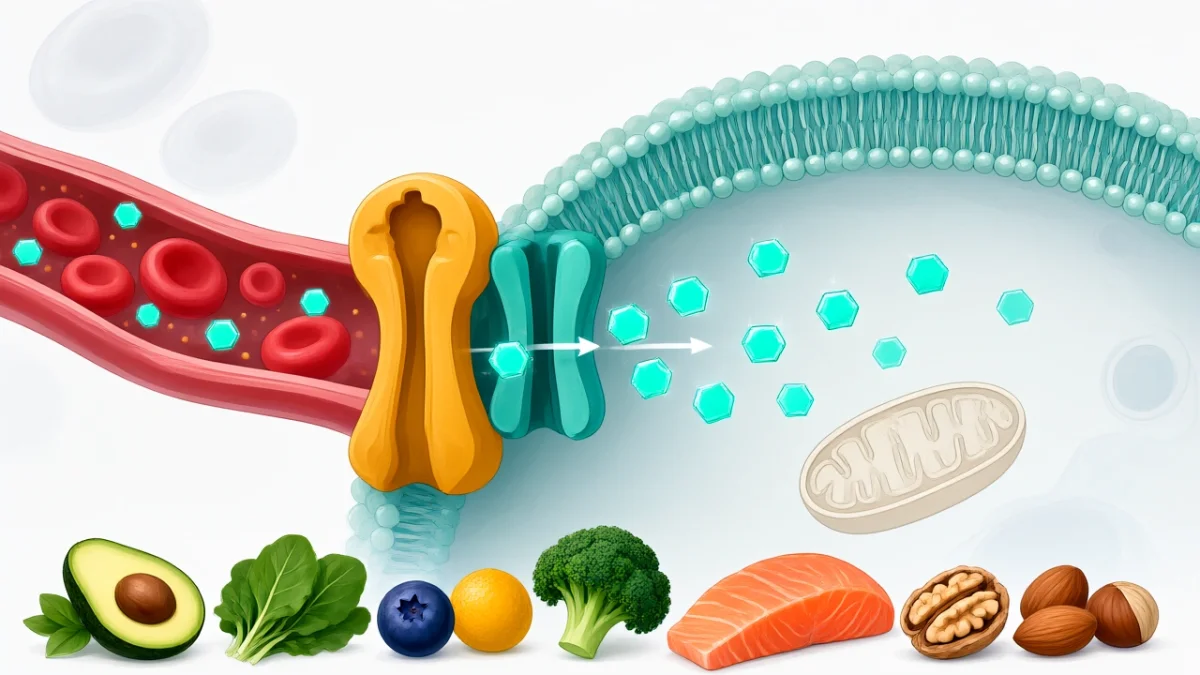
Most blood sugar supplements claim to mimic insulin, slow down how fast your gut absorbs carbs, or help your cells take in more glucose. While these pathways look neat in lab dishes, human bodies are far more complex.
Think of your bloodstream like a busy highway during rush hour. Eating carbs adds more cars to the road. Insulin opens the exit ramps so cars can park inside your muscle and liver cells.
Supplements try to ease that traffic jam in three main ways:
- Opening more exit ramps: Ingredients like berberine and chromium aim to boost insulin sensitivity, helping your cells respond better to the insulin you already make.
- Slowing cars entering the highway: Herbs like Gymnema sylvestre and soluble fibers try to slow sugar absorption in your digestive tract after a meal.
- Supporting the traffic controllers: Minerals like magnesium and vitamin D help the beta cells in your pancreas produce and release insulin properly.
Key Ingredients and Attributes at a Glance
Before looking at clinical trials, it helps to compare what the most common supplement ingredients are, how people take them, and where they come from naturally.
| Entity / Ingredient:Entity / Ingredient | What It Is:What It Is | Food Sources:Food Sources | Typical Study Dose:Typical Study Dose | Primary Mechanism Claim:Primary Mechanism Claim |
| Entity / Ingredient:Berberine | What It Is:Bitter plant alkaloid from barberry and goldenseal roots | Food Sources:None in standard diets | Typical Study Dose:900 mg to 1,500 mg daily (split doses) | Primary Mechanism Claim:Activates AMPK enzyme to improve insulin sensitivity |
| Entity / Ingredient:Cinnamon | What It Is:Bark spice (Cassia or Ceylon varieties) | Food Sources:Ground kitchen spice | Typical Study Dose:120 mg to 6,000 mg daily | Primary Mechanism Claim:Mimics insulin signaling in muscle and fat cells |
| Entity / Ingredient:Chromium | What It Is:Essential trace mineral | Food Sources:Broccoli, whole grains, meats | Typical Study Dose:200 mcg to 1,000 mcg daily | Primary Mechanism Claim:Enhances insulin receptor activity |
| Entity / Ingredient:Magnesium | What It Is:Essential macromineral | Food Sources:Leafy greens, nuts, seeds, beans | Typical Study Dose:250 mg to 350 mg daily (supplement cap) | Primary Mechanism Claim:Supports insulin secretion and glucose transport |
| Entity / Ingredient:Alpha-Lipoic Acid (ALA) | What It Is:Antioxidant compound made by the body | Food Sources:Spinach, broccoli, organ meats | Typical Study Dose:300 mg to 600 mg daily | Primary Mechanism Claim:Reduces oxidative stress and supports nerve health |
What Clinical Studies Say: Ingredient by Ingredient
Human clinical trials show mixed to modest results, with berberine having the strongest data for small drops in fasting glucose and A1C. However, even the best-studied ingredients produce much smaller changes than standard medical care.
When doctors measure blood sugar control, they look at two main numbers. Fasting plasma glucose (FPG) measures your sugar after eight hours without food. Hemoglobin A1C (HbA1c) shows your average blood sugar over the past two to three months.
1. Berberine (Moderate Evidence)
Berberine consistently lowers fasting blood sugar and A1C in human trials, though study quality varies.
- The Evidence: A 2024 systematic review and meta-analysis of 50 randomized controlled trials covering 4,150 adults with type 2 diabetes found that berberine alone reduced fasting glucose by an average of 0.59 mmol/L (about 10.6 mg/dL) and lowered post-meal sugar. When paired with standard diabetes drugs, it lowered A1C by an average of 0.69%.
- The Caveat: Many trials lasted only one to three months, and digestive side effects like cramping or diarrhea are common.
2. Cinnamon (Mixed Evidence)
Cinnamon may nudge fasting blood sugar down slightly, but its effect on long-term A1C is inconsistent.
- The Evidence: A meta-analysis of 10 randomized trials with 543 patients with type 2 diabetes found that cinnamon (120 mg to 6 g daily for 4 to 18 weeks) lowered fasting glucose by about 24.6 mg/dL, yet showed no significant drop in A1C. A 2025 clinical trial also tested cinnamon paired with berberine for 12 weeks in adults with type 2 diabetes and noted drops in fasting glucose and A1C.
- The Caveat: Common Cassia cinnamon contains coumarin, a natural compound that can harm your liver in high doses.
3. Chromium (Mixed Evidence)
Chromium shows conflicting results across studies and is not proven to prevent diabetes.
- The Evidence: The NCCIH highlights a 2022 review of 16 studies (868 participants) suggesting chromium might improve A1C and fasting glucose in people with type 2 diabetes. Yet another 2022 meta-analysis of 10 studies found no real effect on fasting glucose at all.
- The Caveat: Benefits mostly appear in people who are actually deficient in chromium, which is rare in North America.
4. Magnesium (Limited / Deficiency-Based Evidence)
Magnesium helps blood sugar mainly if your body is already low in it.
- The Evidence: People with type 2 diabetes often have low blood magnesium. A 2022 review of 18 studies (1,097 participants with diabetes) found magnesium might aid glucose control, but researchers noted the data is too weak to set clinical guidelines.
- The Caveat: Taking more than 350 mg per day from supplements can trigger diarrhea and stomach cramps.
5. Vitamin D (Modest Benefit in Deficiency or Prediabetes)
Vitamin D does not fix high blood sugar on its own, though correcting low levels may lower diabetes risk in prediabetes.
- The Evidence: A 2022 review of 178 studies on vitamins C, D, and E in adults with diabetes found that vitamin D produced only tiny drops in A1C that were too small to make a real clinical difference. However, a 2020 review of 9 studies (43,559 participants) found that moderate-to-high vitamin D doses (at least 1,000 IU/day) lowered the risk of developing type 2 diabetes in people with prediabetes.
6. Herbal Blends (Bitter Melon, Fenugreek, Aloe Vera, Gymnema)
Research on these herbs relies mostly on small, short studies and has not proven they reliably control blood sugar.
- The Evidence: Small trials suggest aloe vera and Gymnema sylvestre may slightly reduce fasting glucose, while bitter melon and fenugreek show inconsistent results.
- The Caveat: The NCCIH states that overall research is too limited in size and quality to prove any of these herbs work.
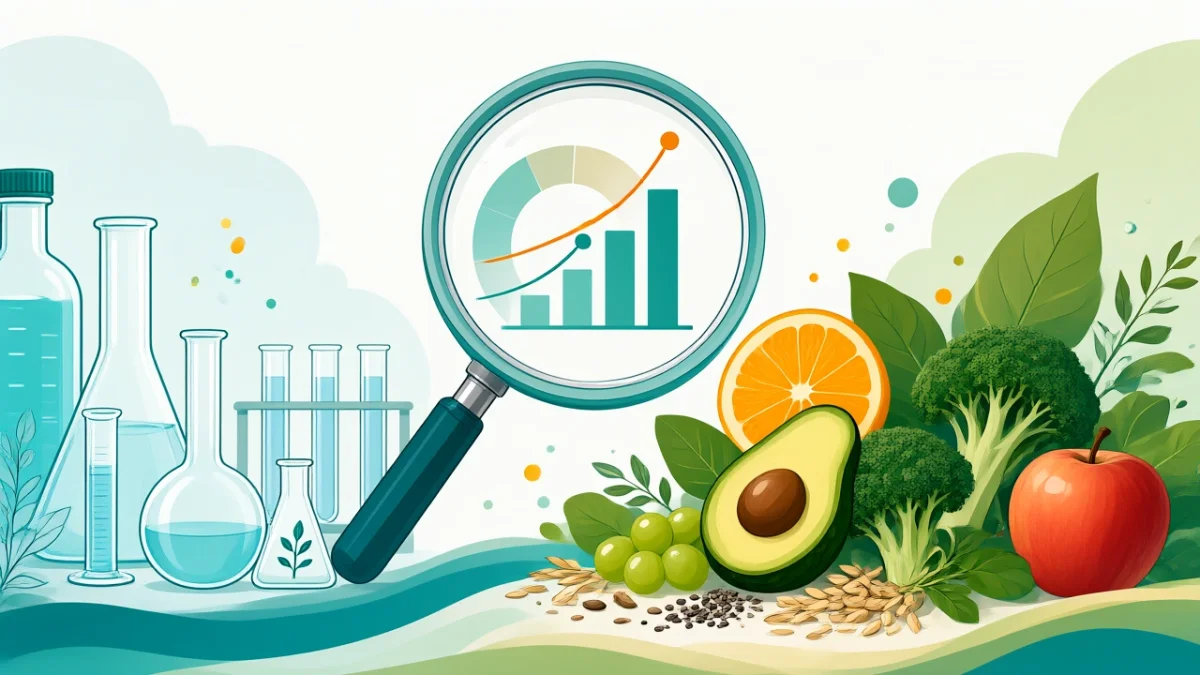
Evidence Strength Summary Table
| Supplement Claim:Supplement Claim | Evidence Level:Evidence Level | What Studies Show:What Studies Show | Primary Source & Year:Primary Source & Year |
| Supplement Claim:Berberine lowers fasting glucose & A1C | Evidence Level:⚠ Moderate | What Studies Show:Modest drops in FPG and A1C across 50 RCTs (4,150 adults) | Primary Source & Year:Frontiers in Pharmacology meta-analysis, 2024 |
| Supplement Claim:Cinnamon improves daily blood sugar | Evidence Level:Mixed | What Studies Show:Lowers fasting glucose in some trials, but inconsistent A1C impact | Primary Source & Year:Annals of Family Medicine / NCCIH, 2022–2024 |
| Supplement Claim:Chromium improves insulin resistance | Evidence Level:Mixed | What Studies Show:Conflicting meta-analyses; small effects mostly in deficient adults | Primary Source & Year:NCCIH Clinical Digest, 2022 |
| Supplement Claim:Magnesium supports glucose control | Evidence Level:Weak / Conditional | What Studies Show:Helpful if blood levels are low; insufficient data for guidelines | Primary Source & Year:NCCIH review of 18 studies (1,097 adults), 2022 |
| Supplement Claim:Vitamin D lowers A1C in diabetes | Evidence Level:Weak | What Studies Show:Too small for clinical impact in diabetes; helps risk in prediabetes | Primary Source & Year:NCCIH review of 178 studies, 2022 |
| Supplement Claim:Proprietary herbal blends "reverse" diabetes | Evidence Level:Marketing Claim (None) | What Studies Show:No clinical proof; FDA warns against unapproved diabetes cures | Primary Source & Year:FDA & NCCIH Consumer Advisory, 2024 |
My Honest Read: If you expect a capsule to erase the effects of a high-sugar diet or replace metformin, you will be disappointed. At best, a single well-studied ingredient like berberine or magnesium (if you are deficient) acts like a gentle tailwind—maybe a 5% to 10% nudge—while food, movement, and prescribed care do the heavy lifting.
Myths vs. Evidence About Blood Sugar Pills
Marketing pages love big promises. Here is how common claims hold up against clinical facts.
| Common Myth:Common Myth | What the Evidence Actually Says:What the Evidence Actually Says |
| Common Myth:"Natural means 100% safe." | What the Evidence Actually Says:Herbal pills can stress your liver or kidneys and trigger dangerous low blood sugar when mixed with prescription drugs. |
| Common Myth:"Supplements are tested by the FDA before sale." | What the Evidence Actually Says:The FDA does not approve dietary supplements for safety or effectiveness before they hit store shelves. |
| Common Myth:"A proprietary blend is stronger than single herbs." | What the Evidence Actually Says:Proprietary blends often hide tiny, under-dosed amounts of cheap ingredients behind a single total weight on the label. |
| Common Myth:"You can stop your diabetes meds if your numbers drop." | What the Evidence Actually Says:Stopping prescribed medicine without a doctor puts you at serious risk for nerve, eye, and kidney damage. |
Safety Risks, Side Effects, and Drug Interactions
The biggest danger of blood sugar supplements is combining them with prescription diabetes medicines, which can drop your glucose too low. This condition, called hypoglycemia, causes shaking, confusion, fainting, and can become life-threatening.
Watch out for these specific safety issues:
- Medication clashes: Berberine slows down liver enzymes (CYP450) that process many common drugs, including blood thinners, statins, and blood pressure pills. Aloe vera can interact with heart drugs like digoxin, and ginseng can weaken blood thinners like warfarin.
- Organ stress: High doses of chromium have been linked to rare cases of kidney damage. High doses of Cassia cinnamon can harm your liver. The NCCIH warns that people with kidney disease—a common diabetes complication—must be extra careful with any supplement.
- Hidden ingredients: The FDA has caught illegally marketed "diabetes supplements" secretly spiked with hidden prescription drugs like glyburide or metformin.
Who Should Be Careful or Avoid Them
- Anyone taking insulin, metformin, sulfonylureas, or GLP-1 medications
- People with kidney disease or liver problems
- Anyone who is pregnant, trying to conceive, or breastfeeding (berberine is unsafe in pregnancy and infancy)
- People scheduled for surgery within two weeks (many herbs affect blood sugar and clotting)
How to Evaluate a Supplement Label Safely (Practical Checklist)
If your doctor clears you to try a single-ingredient supplement, use this checklist before buying a bottle:
- [ ] Single ingredient over blends: Does the label list exact milligram amounts for each ingredient instead of a hidden "proprietary blend"?
- [ ] Third-party testing seal: Does the bottle carry a seal from USP, NSF International, or ConsumerLab to verify purity and dose?
- [ ] Evidence-backed dose: Does the daily serving match the range used in human trials (for example, 900–1,500 mg of berberine) without exceeding safe upper limits?
- [ ] No illegal disease claims: Does the bottle avoid shady promises like "cures diabetes" or "replaces insulin"?
- [ ] Specific plant form: If buying cinnamon, does it specify Ceylon cinnamon (which has far less liver-stressing coumarin than Cassia)?
- [ ] Pharmacist check: Have you asked your pharmacist to run the ingredient list against your current prescriptions?
Proven Alternatives That Lower Blood Sugar Better
Everyday food and movement habits lower blood sugar more reliably—and safely—than any over-the-counter pill. Before spending $40 a month on capsules, focus on these high-impact steps backed by the ADA:
- Walk for 10 to 15 minutes after meals: Moving your leg muscles right after eating pulls glucose straight out of your blood without needing extra insulin.
- Eat fiber and protein first: Starting your meal with non-starchy vegetables and protein slows down how fast carbs hit your bloodstream. Aim for 25 to 35 grams of fiber daily from beans, oats, berries, and greens.
- Check for real nutrient gaps: Ask your doctor for a simple blood test for vitamin D, vitamin B12, or magnesium. Fixing a true deficiency helps your body work better.
- Prioritize 7 to 8 hours of sleep: Even one night of poor sleep makes your cells noticeably more resistant to insulin the next morning.
Questions to Ask Your Doctor or Pharmacist
Bring these four questions to your next checkup so you get advice tailored to your lab numbers:
- "Based on my latest A1C and kidney lab results, is it safe for me to try [specific ingredient]?"
- "Will this supplement interact with any of my current prescriptions or cause low blood sugar?"
- "Should we test my vitamin D, B12, or magnesium levels before I spend money on supplements?"
- "How long should I test this supplement, and what target numbers would tell us if it is actually helping?"
[[IMAGE: A calm, positive scene of a person at a pharmacy counter talking with a friendly pharmacist while holding a notebook with questions, bright natural lighting, photorealistic, 16:9, no text or brand logos | alt: Person asking a pharmacist about blood sugar supplement safety | caption: A quick chat with your pharmacist can catch dangerous drug interactions before you buy.]]
Summary: Key Takeaways
- Modest effects only: Some supplements—most notably berberine, and occasionally cinnamon or magnesium—can produce small drops in fasting blood sugar.
- Not a cure or replacement: Neither the ADA nor the NCCIH recommends supplements as a substitute for prescribed diabetes care, nutrition, or exercise.
- Watch for interactions: Combining blood sugar supplements with diabetes medications can trigger dangerous hypoglycemia.
- Quality varies wildly: Because the FDA does not pre-approve supplements, look for third-party testing seals like USP and avoid proprietary blends.
- Habits win: Post-meal walks, high-fiber meals, and good sleep deliver stronger, safer blood sugar control than any pill.
Next Steps
If you are considering a supplement, start by printing or saving the label checklist above and reviewing it with your doctor or pharmacist. Because clinical evidence for most blood sugar blends remains mixed, getting a baseline A1C test first ensures you can track whether any change you make actually moves the needle.
Frequently Asked Questions
Do blood sugar supplements actually work?
Some single ingredients, like berberine and cinnamon, can cause modest drops in fasting blood sugar in clinical trials. However, results are mixed across studies, and major medical groups like the American Diabetes Association state that supplements are not proven to manage diabetes on their own.
Which supplement lowers blood sugar the most?
Berberine currently has the strongest human clinical evidence for lowering fasting glucose and A1C. A 2024 meta-analysis of 50 trials found it modestly reduced blood sugar, though it works much less powerfully than prescription drugs and often causes stomach upset.
Can I take blood sugar supplements with metformin?
You should never combine blood sugar supplements with metformin or insulin without your doctor's approval. Taking both together can push your blood glucose dangerously low (hypoglycemia) or interfere with how your liver and gut process your medication.
How long does it take for blood sugar supplements to work?
In clinical trials, measurable changes in fasting glucose or A1C typically take 8 to 12 weeks of consistent daily use. Supplements do not act like fast-acting insulin and will not immediately erase a blood sugar spike after a heavy meal.
Are blood sugar supplements FDA-approved?
No, the FDA does not review or approve dietary supplements for safety or effectiveness before they are sold. To protect yourself from contaminated or under-dosed products, look for independent verification seals like USP or NSF on the bottle.
What is the fastest natural way to lower blood sugar without pills?
Taking a brisk 10- to 15-minute walk right after eating is one of the fastest natural ways to lower post-meal blood sugar. Your active muscles absorb glucose directly from your bloodstream for energy, flattening post-meal spikes without side effects.
Medical Disclaimer: This article is for informational and educational purposes only and does not constitute medical advice. Dietary supplements are not intended to diagnose, treat, cure, or prevent any disease. If you have diabetes, prediabetes, kidney or liver conditions, take prescription medications, or are pregnant or breastfeeding, consult a qualified doctor or pharmacist before starting any supplement. Never stop or change a prescribed medication without medical guidance.


2 Comments