Do Weight Loss Supplements Really Work? What Human Studies Actually Show?
Educational & Medical Disclosure: This is an educational guide with no product promotion or affiliate links. The information below is for general educational purposes and is not medical advice. Always speak with a doctor or pharmacist before starting any supplement—especially if you have a medical condition, take prescription medications, or are pregnant or breastfeeding. Never stop a prescribed treatment on your own.
If you have ever stared at a wall of “fat burners,” “metabolism boosters,” and “appetite control” gummies wondering whether any of them actually work, you are not alone. Millions of people spend billions of dollars each year hoping a capsule will finally break a stubborn weight plateau.
Here is the direct answer: most over-the-counter weight loss supplements do not produce meaningful, lasting weight loss. In a comprehensive 2021 systematic review published in the journal Obesity that evaluated 315 randomized controlled trials across 14 popular weight loss ingredients and therapies, researchers found that only 16 trials (roughly 5%) had a low risk of bias and showed statistically significant weight loss—and even in those few trials, the extra weight lost ranged from just 0.3 kg to 4.93 kg (about 0.7 to 10.8 pounds) alongside diet and lifestyle changes.
That gap between flashy before-and-after marketing and modest clinical reality is where most shoppers get burned. Understanding how these ingredients behave in human trials—and where hidden safety risks live—can save your wallet and protect your health.
What Weight Loss Supplements Are (and Why They Confuse Everyone)
A weight loss dietary supplement is an over-the-counter product—sold as capsules, powders, teas, gummies, or liquid drops—containing vitamins, minerals, fibers, caffeine, herbs, or plant extracts marketed to reduce body weight or body fat.
Think of weight loss supplements like a slightly stiffer tailwind when you are already pedaling a bicycle uphill. If you are not pedaling (maintaining a calorie deficit through nutrition and movement), a gentle breeze will not move the bike up the hill. Even when you are pedaling hard, most ingredients add only a tiny push—and some come with mechanical risks to your heart, liver, or digestive tract.
Confusion happens for two big reasons:
- Regulatory gray zones: Under the U.S. Dietary Supplement Health and Education Act (DSHEA) of 1994, manufacturers do not have to prove a dietary supplement works—or even prove it is safe—to the U.S. Food and Drug Administration (FDA) before selling it. The FDA steps in only after products hit shelves if they cause harm or make illegal disease claims.
- Statistical vs. clinical significance: A study might report “statistically significant” weight loss if people taking a pill lost 1.5 pounds more than people taking a sugar pill over three months. In medicine, clinically meaningful weight loss—the threshold proven to improve blood pressure, blood sugar, and joint strain—is generally defined as at least 5% of your starting body weight (10 pounds for a 200-pound person). Almost no dietary supplement reliably hits that mark on its own.
How We Researched This Guide
To separate marketing claims from human evidence, I reviewed clinical monographs, systematic reviews, and safety advisories from the National Institutes of Health Office of Dietary Supplements (NIH ODS), the National Center for Complementary and Integrative Health (NCCIH), the Mayo Clinic, the Cochrane Collaboration, PubMed-indexed randomized controlled trials (RCTs), and FDA Health Fraud public notifications through November 2026.
In this guide, you will learn:
- The four biological mechanisms weight loss supplements try to target
- What human clinical trials actually show for the 10 most common ingredients
- How dietary supplements compare to FDA-approved over-the-counter orlistat (Alli)
- Hidden safety risks, including liver strain and undeclared prescription drugs
- A practical 7-point checklist for reading supplement labels before spending money

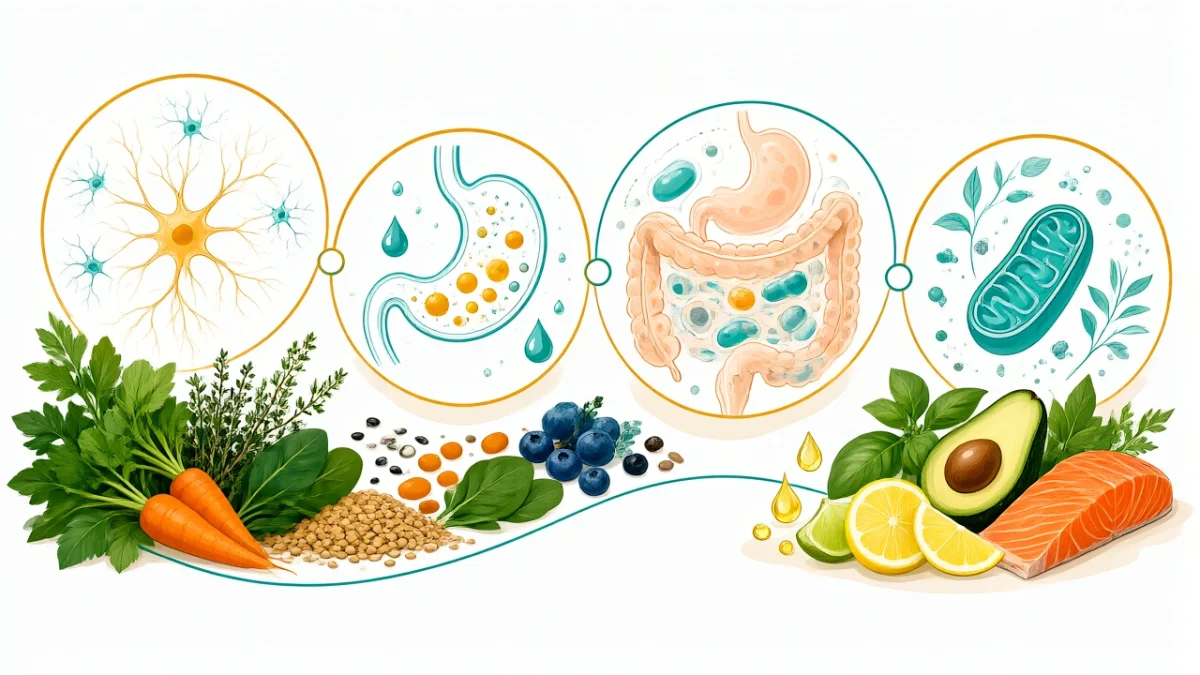
How Weight Loss Supplements Claim to Work: The 4 Main Pathways
Almost every commercial weight loss formula relies on one or more of four proposed mechanisms. Knowing which pathway an ingredient targets tells you immediately what its ceiling—and side-effect profile—looks like.
- Thermogenesis and Central Nervous System Stimulation: Ingredients like caffeine and bitter orange stimulate your nervous system to slightly raise resting metabolic rate (the calories your body burns at rest) and thermogenesis (heat production). The catch? Your body builds tolerance quickly, blunting the calorie burn within weeks.
- Appetite Suppression and Gastric Satiety: Soluble fibers like glucomannan absorb water in your stomach, swelling into a gel that slows gastric emptying (how fast food leaves your stomach) so you feel fuller sooner.
- Dietary Fat or Carbohydrate Blocking: Ingredients such as chitosan or white kidney bean extract claim to bind fat or block digestive enzymes in the gut so fewer calories enter your bloodstream. Most natural versions bind far too little fat to change your waistline.
- Metabolic and Glucose Modulation: Compounds like green tea catechins, chlorogenic acid, or berberine target cellular enzymes (such as AMPK) or insulin signaling to influence how your body stores versus burns fuel.
Ingredient-by-Ingredient Evidence: What Human Trials Show
Not every ingredient has zero research behind it—some have dozens of small human studies. The problem is that when independent scientists pool those trials together, the average real-world effect is tiny.
1. Caffeine (and Guarana, Yerba Maté, Kola Nut)
- The Claim: Boosts metabolism, increases energy, and accelerates fat oxidation.
- What Human Evidence Shows: Modest, short-term support. According to the NIH ODS, clinical trials show caffeine can slightly increase energy expenditure and support small reductions in weight gain over time. However, regular users rapidly develop caffeine tolerance, which weakens its metabolic boost.
- Safety Caveat: Generally safe for healthy adults up to 400 mg per day (roughly four cups of brewed coffee). Higher doses—especially when stacked with hidden herbal caffeine sources like guarana—can trigger jitteriness, insomnia, nausea, rapid heart rate, and blood pressure spikes.
2. Green Tea Extract (EGCG)
- The Claim: Concentrated catechins (especially epigallocatechin gallate, or EGCG) plus natural caffeine burn belly fat.
- What Human Evidence Shows: Weak to mixed. A widely cited Cochrane systematic review of 14 randomized controlled trials in overweight or obese adults found that people taking green tea preparations for 12 weeks lost an average of 0.2 kg to 3.5 kg (0.4 to 7.7 pounds) more than placebo groups—and in most individual studies, the difference was not statistically significant.
- Safety Caveat: Brewed green tea is safe for most people, but concentrated green tea extract pills have been linked to rare cases of drug-induced liver injury, particularly when taken in high doses on an empty stomach.
3. Glucomannan (Konjac Root Fiber)
- The Claim: Expands in the stomach to curb cravings and block calorie absorption.
- What Human Evidence Shows: Inconsistent for weight, better for cholesterol. While a few early studies suggested minor weight reductions, a 2014 systematic review and meta-analysis of 8 randomized controlled trials published in the Journal of the American College of Nutrition found no statistically significant difference in weight loss between glucomannan and placebo (mean difference of -0.22 kg, or less than half a pound). It does, however, show modest benefits for lowering LDL cholesterol and post-meal blood sugar.
- Safety Caveat: Can cause bloating, gas, loose stools, or constipation. Because it swells rapidly in water, tablets or poorly dissolved powders pose a choking or esophageal blockage risk if not taken with plenty of water.
4. Garcinia Cambogia (Hydroxycitric Acid / HCA)
- The Claim: Blocks a fat-producing enzyme (citrate lyase) and raises brain serotonin to stop emotional eating.
- What Human Evidence Shows: Minimal and clinically uncertain. A 2020 dose-response meta-analysis of 8 trials (530 participants) in Complementary Therapies in Medicine reported an average weight reduction of -1.34 kg (about 3 pounds) over placebo, while an earlier rigorous meta-analysis found just -0.88 kg (under 2 pounds) with significant study quality limitations. The NCCIH states it remains unclear whether garcinia cambogia reliably helps with weight loss.
- Safety Caveat: The NCCIH and NIH LiverTox database warn of numerous case reports of acute liver toxicity—some severe—associated with garcinia cambogia supplements, as well as potential interactions with serotonergic antidepressants (SSRIs).
5. Green Coffee Bean Extract (Chlorogenic Acid)
- The Claim: Unroasted coffee beans retain chlorogenic acid, claimed to slow carbohydrate absorption and burn fat.
- What Human Evidence Shows: Preliminary and limited by small trials. A 2023 systematic review and meta-analysis in Systematic Reviews pooling three small RCTs (103 adults total) using at least 500 mg/day of chlorogenic acid found a short-term weight difference of -1.30 kg (2.9 pounds) versus placebo, but the authors emphasized small sample sizes, short durations, and the need for longer trials.
- Safety Caveat: Contains caffeine; can cause headaches, anxiety, and stomach upset.
6. Bitter Orange (Citrus aurantium / Synephrine)
- The Claim: A “natural” replacement for banned ephedra that speeds up calorie burn.
- What Human Evidence Shows: Inconclusive. According to the NIH ODS, small trials of poor methodological quality suggest synephrine may slightly raise resting metabolic rate, but proof of actual weight loss is lacking.
- Safety Caveat: Significant cardiovascular concern. Synephrine is structurally similar to ephedrine and can cause chest pain, anxiety, elevated blood pressure, and rapid or irregular heart rhythms—especially when combined with caffeine.
7. Conjugated Linoleic Acid (CLA), Chitosan, Chromium & Carnitine
- CLA: Meta-analyses show a tiny average loss of around 0.5 to 1 kg over several months, paired with digestive upset and potential insulin resistance concerns in some studies (NIH ODS).
- Chitosan (shellfish fiber): Claimed to trap dietary fat; NIH ODS concludes it binds only a negligible amount of fat and has minimal effect on body weight.
- Chromium Picolinate: Marketed to curb carb cravings and build lean mass; clinical trials show minimal to no meaningful effect on body weight.
- L-Carnitine: Helps shuttle fatty acids into cell mitochondria; may produce a very small weight reduction in some trials, but can cause nausea, fishy body odor, and elevated blood levels of TMAO (a compound linked to cardiovascular risk).
Master Evidence-Strength Matrix: Popular Weight Loss Ingredients
| Ingredient:Ingredient | Proposed Mechanism:Proposed Mechanism | Average Weight Effect in Human RCTs:Average Weight Effect in Human RCTs | Evidence Rating:Evidence Rating | Key Safety & Interaction Risks:Key Safety & Interaction Risks | Primary Source:Primary Source |
| Ingredient:Caffeine | Proposed Mechanism:CNS stimulant; increases thermogenesis | Average Weight Effect in Human RCTs:Small short-term loss; blunted by tolerance | Evidence Rating:Mixed / Modest | Key Safety & Interaction Risks:Jitters, insomnia, palpitations, high blood pressure above 400 mg/day | Primary Source:NIH ODS (2022) |
| Ingredient:Green Tea Extract (EGCG) | Proposed Mechanism:Catechins + caffeine boost fat oxidation | Average Weight Effect in Human RCTs:0.2 to 3.5 kg over 12 weeks (mostly non-significant) | Evidence Rating:Weak / Mixed | Key Safety & Interaction Risks:Rare liver toxicity at concentrated supplement doses; constipation | Primary Source:Cochrane Review (2021) |
| Ingredient:Glucomannan | Proposed Mechanism:Viscous fiber slows gastric emptying | Average Weight Effect in Human RCTs:-0.22 kg vs. placebo (not statistically significant) | Evidence Rating:Weak for Weight | Key Safety & Interaction Risks:Bloating, diarrhea, choking hazard without enough water; lowers drug absorption | Primary Source:J Am Coll Nutr (2014) |
| Ingredient:Garcinia Cambogia (HCA) | Proposed Mechanism:Inhibits citrate lyase; affects serotonin | Average Weight Effect in Human RCTs:-0.88 to -1.34 kg in short-term meta-analyses | Evidence Rating:Weak / Uncertain | Key Safety & Interaction Risks:Reported acute liver injury; possible interaction with antidepressants | Primary Source:NCCIH (2023) |
| Ingredient:Green Coffee Extract | Proposed Mechanism:Chlorogenic acid slows glucose uptake | Average Weight Effect in Human RCTs:-1.30 kg in small, short-term trials (n=103) | Evidence Rating:Preliminary | Key Safety & Interaction Risks:Caffeine-related anxiety, GI upset; lacks long-term safety data | Primary Source:Syst Rev (2023) |
| Ingredient:Bitter Orange (Synephrine) | Proposed Mechanism:Sympathetic stimulant; lipolysis | Average Weight Effect in Human RCTs:Inconclusive effect on actual body weight | Evidence Rating:Insufficient | Key Safety & Interaction Risks:Elevated blood pressure, rapid heart rate, chest pain | Primary Source:NIH ODS (2022) |
| Ingredient:CLA (Conjugated Linoleic Acid) | Proposed Mechanism:Alters lipid metabolism | Average Weight Effect in Human RCTs:~0.5 to 1.0 kg over several months | Evidence Rating:Weak | Key Safety & Interaction Risks:Diarrhea, indigestion, potential unfavorable effects on insulin sensitivity | Primary Source:NIH ODS (2022) |
| Ingredient:Chitosan & Calcium | Proposed Mechanism:Binds dietary fat in GI tract | Average Weight Effect in Human RCTs:Negligible to no effect on body weight | Evidence Rating:No Meaningful Effect | Key Safety & Interaction Risks:Constipation, gas, shellfish allergy risk (chitosan), kidney stones (excess calcium) | Primary Source:NIH ODS (2022) |
Dietary Supplements vs. Over-the-Counter Orlistat (Alli)
One of the biggest points of confusion at the pharmacy counter is Alli (orlistat 60 mg). People often lump it in with herbal diet pills, but it belongs to a completely different legal and scientific category.
| Feature:Feature | Herbal & Dietary Weight Loss Supplements:Herbal & Dietary Weight Loss Supplements | Orlistat 60 mg (Alli — OTC Medication):Orlistat 60 mg (Alli — OTC Medication) |
| Feature:Regulatory Status | Herbal & Dietary Weight Loss Supplements:Dietary supplement (DSHEA); not FDA-approved before sale | Orlistat 60 mg (Alli — OTC Medication):FDA-approved over-the-counter drug for adults (BMI 25+) |
| Feature:How It Works | Herbal & Dietary Weight Loss Supplements:Varies (mild stimulants, fibers, plant extracts); often unproven | Orlistat 60 mg (Alli — OTC Medication):Blocks pancreatic lipase, preventing ~25% of dietary fat absorption |
| Feature:Proven Weight Loss | Herbal & Dietary Weight Loss Supplements:Typically 0 to 3 lbs (mostly short-term or non-significant) | Orlistat 60 mg (Alli — OTC Medication):Averages ~5.7 lbs (2.6 kg) more over 1 year than diet and exercise alone |
| Feature:Side Effects | Herbal & Dietary Weight Loss Supplements:Jitters, insomnia, GI upset, rare liver strain (ingredient-dependent) | Orlistat 60 mg (Alli — OTC Medication):Predictable GI effects if eating high-fat meals (oily stools, gas, urgency) |
| Feature:Nutrient Impact | Herbal & Dietary Weight Loss Supplements:Rarely studied | Orlistat 60 mg (Alli — OTC Medication):Blocks absorption of vitamins A, D, E, K, and beta-carotene (requires bedtime multivitamin) |
According to the Mayo Clinic (2024), Alli works modestly only when paired with a reduced-calorie, low-fat diet (no more than 30% of calories from fat) and regular exercise—and if you have not lost at least 5% of your body weight after one year, medical guidance recommends stopping it because side effects outweigh benefits.
The Hidden Danger Nobody Mentions on the Label: Adulteration
Beyond weak efficacy, the weight loss supplement category carries the highest rate of hidden pharmaceutical contamination in the supplement industry.
The FDA's Health Fraud Product Database—updated continuously through 2026—lists hundreds of "all-natural" weight loss capsules, coffees, and gummies found during laboratory testing to contain undeclared prescription drugs or banned substances, including:
- Sibutramine: A prescription weight loss drug withdrawn from the U.S. market in 2010 because it significantly increases the risk of heart attack and stroke.
- Phenolphthalein: A chemical laxative removed from OTC products due to carcinogenicity concerns.
- Hidden prescription diuretics, antidepressants (fluoxetine), or high-dose stimulants.
If a weight loss supplement delivers dramatic, effortless weight loss in two weeks, that is not a sign of an amazing herb—it is a major red flag that the product may be illegally spiked with an unlisted drug.
Common Weight Loss Supplement Myths vs. Evidence
| Common Marketing Myth:Common Marketing Myth | What Clinical Evidence Actually Shows:What Clinical Evidence Actually Shows |
| Common Marketing Myth:"Natural and plant-based means 100% safe." | What Clinical Evidence Actually Shows:Concentrated plant extracts like garcinia cambogia and green tea extract have been linked to acute liver injury, and bitter orange can spike blood pressure. |
| Common Marketing Myth:"Clinically proven ingredients means this bottle works." | What Clinical Evidence Actually Shows:Brands often cite a tiny study on one ingredient at 1,500 mg while putting only 100 mg inside a hidden proprietary blend. |
| Common Marketing Myth:"Fat burners melt fat even if you don't change your diet." | What Clinical Evidence Actually Shows:Virtually every human clinical trial puts both the supplement group and the placebo group on a calorie-restricted diet and exercise plan. |
| Common Marketing Myth:"More stimulants = faster fat loss." | What Clinical Evidence Actually Shows:Combining caffeine, guarana, yerba maté, and synephrine multiplies heart and anxiety risks without multiplying long-term fat loss. |
Practical Guide: 7-Point Label & Safety Checklist Before You Buy
If you are still considering trying a specific ingredient (such as a basic fiber supplement for fullness or moderate caffeine before workouts), run the bottle through this 7-point verification checklist first:
- Reject "Proprietary Blends": If a label lists a total milligram weight for a blend of six herbs without showing the exact dose of each individual ingredient, put it back. You cannot verify safety or efficacy.
- Match the Studied Dose and Form: Compare the label's exact active compound (for example, standardized EGCG or soluble fiber grams) against the doses tested in human trials—not raw leaf powder.
- Add Up All Hidden Caffeine Sources: Check the supplement facts panel for coffee bean, green tea, guarana, yerba maté, kola nut, or cocoa extract. Keep total daily intake from all food, drinks, and pills below 400 mg.
- Look for Independent Third-Party Testing: Because the FDA does not test supplements before sale, look for verification seals from USP (U.S. Pharmacopeia), NSF International, or ConsumerLab, which confirm the bottle actually contains what is on the label without heavy metals or hidden drugs.
- Check the FDA Health Fraud Database: Search the product name on
fda.govbefore buying any imported slimming tea, "detox" coffee, or viral social-media fat burner. - Set a Strict 8-to-12-Week Stop Rule: Never stay on a weight loss supplement indefinitely hoping it will eventually kick in. Track waist circumference, energy, sleep, and digestion—and stop immediately if you feel heart palpitations, dark urine, yellowing eyes, or severe stomach pain.
- Screen Your Medication List First: Fibers like glucomannan can block the absorption of thyroid and diabetes drugs if taken within 2–4 hours, while stimulants and herbal extracts interact with blood pressure medications, blood thinners, and antidepressants.
What Actually Moves the Needle (Evidence-Based Alternatives)
If supplements only offer a 0% to 3% nudge at best, what delivers reliable, sustainable fat loss?
- Sustainable Calorie Deficit + Protein Priority: Pairing a modest daily calorie reduction (300–500 kcal/day) with adequate dietary protein (1.2 to 1.6 g per kg of body weight for active adults) preserves metabolically active muscle mass and naturally curbs hunger hormones far better than appetite pills.
- Whole-Food Viscous Fiber (25–38 g/day): Oats, barley, beans, lentils, chia seeds, and berries deliver soluble fiber alongside micronutrients without the choking hazards or high cost of purified fiber capsules.
- Resistance Training + Daily Step Consistency: Lifting weights 2–3 times per week prevents the drop in resting metabolic rate that normally accompanies dieting, while steady daily walking increases total energy expenditure without spiking appetite.
- Sleep & Stress Regulation: Sleeping fewer than 6–7 hours per night elevates ghrelin (hunger hormone) and lowers leptin (fullness signal), undermining any supplement's effect.
- Medical Weight Management: For adults with a BMI of 30+ (or 27+ with weight-related conditions like hypertension or type 2 diabetes), talking with a physician about structured behavioral programs, registered dietitian counseling, or FDA-approved prescription therapies addresses the underlying biology of weight regulation directly.
Who Should Be Extra Careful—and Questions to Ask Your Doctor
Skip weight loss supplements entirely unless cleared by your physician if you:
- Are pregnant, trying to conceive, or breastfeeding
- Are under 18 years old
- Have high blood pressure, heart rhythm issues, coronary artery disease, or anxiety disorders
- Have liver disease, kidney disease, or a history of eating disorders
- Take prescription medications for diabetes, thyroid conditions, blood pressure, depression, or blood clotting
4 Questions to Take to Your Doctor or Pharmacist:
- "Could any ingredient on this label interact with my current prescriptions or affect how my body absorbs them?"
- "Given my blood pressure, heart rate, and liver health, are stimulants or concentrated herbal extracts safe for me?"
- "What would a realistic 3-to-6-month weight loss target look like for my health profile without supplements?"
- "Would working with a registered dietitian or discussing FDA-approved weight management options make more sense for me right now?"
[[IMAGE: Warm, realistic photograph of a person in everyday casual clothing reviewing a supplement label at a pharmacy counter while having a calm conversation with a pharmacist in a bright, modern pharmacy | alt: Pharmacist reviewing weight loss supplement ingredients with customer | caption: Reviewing ingredient labels with a pharmacist or doctor helps catch medication interactions before you buy.]]
Key Takeaways
- Modest results at best: Across 315 randomized controlled trials reviewed in Obesity, only 5% showed low-bias evidence of weight loss—averaging 0.7 to 10.8 pounds alongside diet and exercise, rarely reaching the 5% body-weight threshold needed for meaningful health benefits.
- No FDA pre-approval: Dietary supplements reach store shelves without proving efficacy or safety beforehand, and FDA testing regularly uncovers hidden prescription drugs in "all-natural" slimming products.
- Single ingredients vary widely: Moderate caffeine and soluble fiber offer tiny, indirect support for energy or fullness, while concentrated green tea extract and garcinia cambogia carry rare liver-injury warnings and bitter orange poses heart risks.
- OTC drugs differ from supplements: FDA-approved over-the-counter orlistat (Alli) blocks ~25% of dietary fat absorption and averages ~5.7 pounds more loss over a year with a low-fat diet, though it causes GI side effects and lowers fat-soluble vitamin absorption.
- Foundations win every time: Adequate protein, whole-food fiber, resistance training, consistent sleep, and clinician-guided care outperform over-the-counter fat burners in both safety and long-term results.
Next Steps
If you are evaluating a specific supplement you saw online, compare its Supplement Facts panel directly against our 7-Point Label & Safety Checklist above—and check our Weight Loss Supplements Evidence Hub to see how individual products hold up under clinical scrutiny. Before starting any new pill or powder, bring the ingredient list to your doctor or pharmacist to rule out drug interactions and set a realistic, sustainable plan.
Frequently Asked Questions (FAQ)
1. Do any weight loss supplements actually work without diet and exercise?
No. Nearly every human clinical trial that reports minor weight loss tests the supplement alongside a reduced-calorie diet and physical activity plan. Without a calorie deficit, over-the-counter supplements do not cause meaningful fat loss.
2. What is the single most effective over-the-counter weight loss pill?
Among non-prescription options, orlistat 60 mg (Alli) has the strongest clinical evidence because it is an FDA-approved over-the-counter medication rather than an herbal supplement. In clinical trials, people taking Alli alongside a low-calorie, low-fat diet lost an average of about 5.7 pounds (2.6 kg) more over one year than those using diet and exercise alone.
3. Why do fat burners stop working after a few weeks?
Most "fat burners" rely heavily on caffeine and related stimulants to temporarily raise heart rate and thermogenesis. Your central nervous system adapts to regular caffeine intake within days to weeks, reducing its calorie-burning and appetite-blunting effects.
4. Are "natural" herbal weight loss supplements safe?
Not automatically. The NIH and NCCIH warn that concentrated herbal extracts—including garcinia cambogia and high-dose green tea extract—have been linked to rare cases of liver damage, while bitter orange can raise blood pressure and heart rate.
5. How long should I try a weight loss supplement before deciding if it works?
Most human studies run for 8 to 12 weeks. If you have cleared an ingredient with your doctor and see no measurable change in weight or waist circumference after 8–12 weeks alongside consistent nutrition habits—or if you experience side effects—stop taking it.
6. How can I tell if a weight loss supplement has hidden ingredients?
Check the FDA Health Fraud Product Database on fda.gov for the product name, avoid products promising effortless or rapid weight loss (such as "lose 10 pounds in 7 days"), and look for third-party verification seals from USP, NSF International, or ConsumerLab.
Last reviewed: November 21, 2026. If you spot something out of date or wrong, tell me and I'll fix it.


One Comment