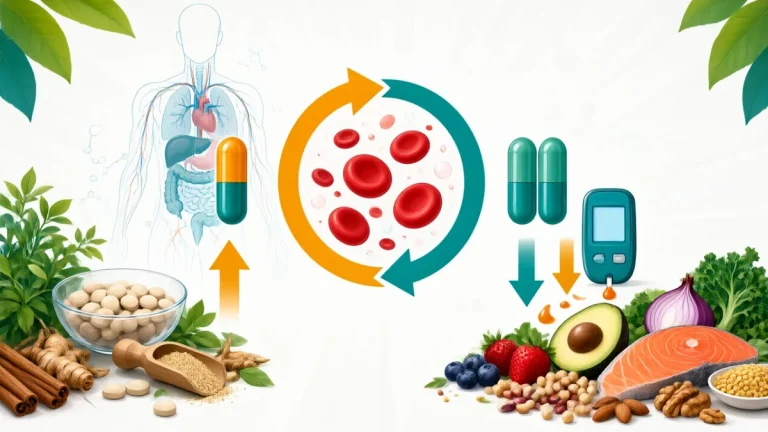
Berberine vs. Blood Sugar Supplements: What Does the Research Show?
This is an educational article with no product promotion. It provides health information, not medical advice. If you have a medical condition, take prescription drugs, are pregnant, or are breastfeeding, talk to your doctor or pharmacist before trying any supplement. Never stop a prescribed treatment on your own.
Walking down the supplement aisle can feel like reading a wall of promises. One bottle highlights berberine as “nature’s metformin.” Right next to it, multi-ingredient blood sugar blends pack cinnamon, chromium, magnesium, and alpha-lipoic acid into a single capsule.
You just want a straight answer: which option actually has human research behind it, and what is safe to try?
Here is the short answer: Among over-the-counter options, berberine has the strongest human clinical data for lowering fasting blood sugar and HbA1c, based on large meta-analyses of randomized trials. Other popular blood sugar ingredients—like cinnamon, chromium, magnesium, and alpha-lipoic acid—show mixed, modest, or inconsistent results in human studies. None of these supplements treat, cure, or prevent diabetes, and all carry drug-interaction risks.
What Are Berberine and Blood Sugar Supplements?
Berberine is a bitter yellow plant compound (an alkaloid) found in the roots and bark of herbs like barberry, goldenseal, and Oregon grape. Blood sugar supplements are dietary products sold over the counter that aim to support healthy glucose metabolism using single nutrients or multi-herb blends.
Think of your cells like locked doors and insulin like the key that lets sugar (glucose) inside for energy. When cells stop responding well to that key—a state called insulin resistance—sugar builds up in your blood.
Different supplements try to help this process in very different ways:
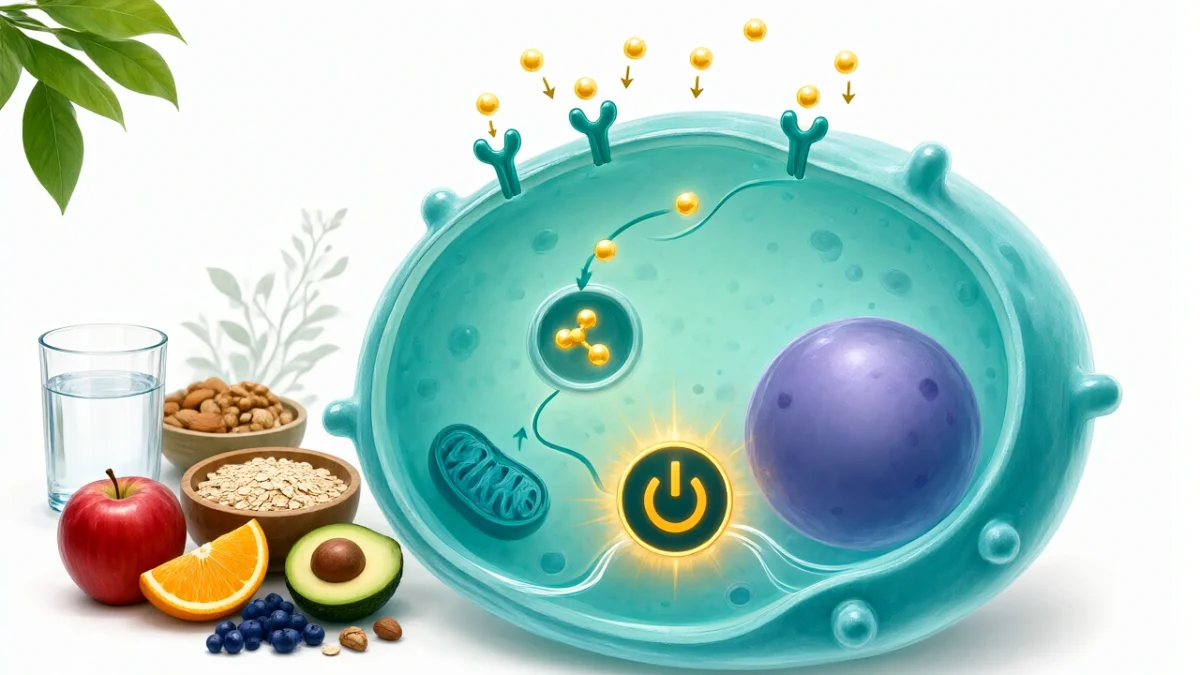
- Berberine acts like a cellular energy switch.
- Chromium and magnesium act like helper nutrients for insulin signaling.
- Cinnamon and alpha-lipoic acid (ALA) act as plant antioxidants that may nudge how cells handle glucose.
Because people see viral claims online every day, it is easy to assume all blood sugar pills work the same way. They do not.
How I Researched This Comparison
On November 22, 2026, I reviewed peer-reviewed human studies and federal health monographs to separate clinical facts from label hype. Specifically, I checked:
- National Center for Complementary and Integrative Health (NCCIH) clinical digests on diabetes and dietary supplements (updated 2022–2023).
- NIH Office of Dietary Supplements (ODS) fact sheets on chromium and metabolic health (2021–2022).
- PubMed-indexed systematic reviews and meta-analyses, including a 2024 review of 50 randomized trials (4,150 participants) in Frontiers in Pharmacology, a 2025 metabolic syndrome review in Frontiers in Pharmacology, and a 2012 Cochrane review on cinnamon (577 participants).
What You Will Learn in This Guide
- How berberine works in the body compared to common blood sugar nutrients.
- What human clinical trials show for berberine, cinnamon, chromium, alpha-lipoic acid, and magnesium.
- Side-by-side tables comparing doses, evidence strength, safety, and costs.
- How to read a blood sugar supplement label and spot red flags.
- Who should avoid these supplements and key questions for your doctor.
How Do These Ingredients Work in the Body?
Berberine activates a cellular enzyme called AMPK, while most other blood sugar supplements try to support insulin sensitivity or reduce oxidative stress. Each ingredient targets a different step in how your body processes carbs.
Here is how the main players work in plain terms:
- Berberine (AMPK Activation): Berberine turns on AMP-activated protein kinase (AMPK), an enzyme researchers often call a metabolic master switch. According to a 2008 human and cellular study in Metabolism, activating AMPK helps muscle cells pull in more glucose and tells the liver to make less new sugar.
- Chromium (Insulin Co-Factor): Chromium is a trace mineral that may help insulin bind more smoothly to cell receptors, though the NIH Office of Dietary Supplements (2022) notes researchers still do not fully understand its exact role.
- Cinnamon (Enzymes and Antioxidants): Compounds in cinnamon bark may slow down digestive enzymes that break carbs into sugar, leading to smaller post-meal spikes.
- Alpha-Lipoic Acid (Antioxidant Support): ALA is an antioxidant made in small amounts by your body. NCCIH (2022) notes it is mainly studied for nerve discomfort and oxidative stress linked to high blood sugar.
- Magnesium (Metabolic Enzyme Helper): Magnesium supports over 300 enzyme reactions, including pathways that help insulin move sugar out of the bloodstream.
Berberine vs. Other Blood Sugar Supplements: Head-to-Head Comparison
Berberine is usually taken as a single purified compound at 900 to 1,500 mg per day, whereas other blood sugar ingredients vary widely in dose, evidence quality, and cost.
| Ingredient:Ingredient | Typical Study Dose:Typical Study Dose | Primary Action:Primary Action | Evidence Strength:Evidence Strength | Common Side Effects:Common Side Effects | Typical Monthly Cost:Typical Monthly Cost |
| Ingredient:Berberine | Typical Study Dose:900–1,500 mg/day (split with meals) | Primary Action:Activates AMPK; lowers liver glucose output | Evidence Strength:Moderate to Strong (many RCTs) | Common Side Effects:Gas, bloating, diarrhea, constipation | Typical Monthly Cost:$20–$40 |
| Ingredient:Cinnamon (Cassia or Ceylon) | Typical Study Dose:1–6 g/day (powder or extract) | Primary Action:May slow carb digestion; antioxidant effects | Evidence Strength:Mixed / Conflicting | Common Side Effects:Heartburn; liver risk from coumarin in Cassia | Typical Monthly Cost:$10–$25 |
| Ingredient:Chromium (Picolinate) | Typical Study Dose:200–1,000 mcg/day | Primary Action:Supports insulin receptor signaling | Evidence Strength:Mixed / Low | Common Side Effects:Stomach upset, headache; rare kidney/liver reports at high doses | Typical Monthly Cost:$10–$20 |
| Ingredient:Alpha-Lipoic Acid (ALA) | Typical Study Dose:300–600 mg/day | Primary Action:Antioxidant; supports nerve and vascular health | Evidence Strength:Limited for glucose (better for nerve symptoms) | Common Side Effects:Nausea, heartburn, skin rash | Typical Monthly Cost:$15–$35 |
| Ingredient:Magnesium (Glycinate/Citrate) | Typical Study Dose:250–400 mg/day | Primary Action:Supports insulin signaling enzymes | Evidence Strength:Mixed (helps mostly if deficient) | Common Side Effects:Loose stools, abdominal cramping | Typical Monthly Cost:$10–$25 |
Note: Multi-ingredient "blood sugar support" capsules often combine several of these at once, frequently using lower doses than those tested in clinical trials.
What Does the Human Research Show for Each Option?
Human randomized trials show consistent blood sugar reductions for berberine, while trials on cinnamon, chromium, ALA, and magnesium show smaller or conflicting effects. The NCCIH (2022) states clearly that overall, there is not enough scientific evidence to prove any dietary supplement can manage or prevent type 2 diabetes on its own.

1. Berberine: The Most Consistent Clinical Data
Berberine has been tested in dozens of human clinical trials, mostly in adults with type 2 diabetes or metabolic syndrome.
- The Evidence: A 2024 systematic review and meta-analysis in Frontiers in Pharmacology analyzed 50 randomized controlled trials involving 4,150 participants. Taken alone at 0.9 to 1.5 grams daily for 1 to 3 months, berberine significantly lowered fasting plasma glucose (by an average of 0.59 mmol/L, or about 10.6 mg/dL) and 2-hour post-meal blood sugar (by 1.57 mmol/L). When paired with standard diabetes drugs, it also lowered HbA1c (a 3-month blood sugar average) by an average of 0.69%.
- Metabolic Syndrome Findings: A 2025 meta-analysis in Frontiers in Pharmacology of randomized placebo-controlled trials found berberine also reduced triglycerides, LDL cholesterol, and waist circumference over 90 days.
- The Caveat: Many trials were short (1 to 3 months) and conducted primarily in Chinese clinical settings. Researchers note that larger, longer-term international trials are still needed.
2. Cinnamon: Popular, But Results Conflict
Cinnamon is the most common spice in blood sugar blends, yet major medical reviews urge caution.
- The Evidence: A 2012 Cochrane systematic review of 10 randomized controlled trials (577 participants) found insufficient evidence to support using cinnamon for type 1 or type 2 diabetes. Later reviews noted by NCCIH (2022)—including a 2019 analysis of 16 studies—found modest drops in fasting blood sugar, but no meaningful improvement in HbA1c.
- The Caveat: Most grocery-store and supplement cinnamon is Cassia cinnamon, which contains coumarin, a natural compound that can stress or harm the liver in high daily doses.
3. Chromium: Small Shifts, Mixed Reviews
Chromium is marketed heavily for sugar cravings and insulin resistance, but clinical data is patchy.
- The Evidence: A 2022 systematic review of 16 studies (868 participants) cited by NCCIH suggested chromium may modestly improve HbA1c and fasting glucose in people with type 2 diabetes. However, a separate 2022 review of 10 studies found no effect on fasting blood sugar, and the NIH Office of Dietary Supplements (2021) notes the American Diabetes Association does not recommend chromium supplements due to unclear benefit.
- The Caveat: Benefits appear limited mostly to people who were deficient in chromium or had poorly controlled blood sugar to begin with.
4. Alpha-Lipoic Acid (ALA): Better for Nerves Than Glucose
Alpha-lipoic acid appears in many blood sugar formulas, though its main evidence lies elsewhere.
- The Evidence: According to NCCIH (2022), limited studies suggest ALA may help ease symptoms of diabetic nerve discomfort and support kidney markers when paired with standard care, but there is not enough evidence to confirm it lowers blood sugar levels.
- The Caveat: Oral doses above 600 mg often trigger heartburn or nausea.
5. Magnesium: Helpful Only If You Are Low
Low magnesium levels are linked to a higher risk of insulin resistance, which makes supplementation tempting.
- The Evidence: NCCIH (2022) reports that clinical trials on magnesium supplements for people with type 2 diabetes have not shown a clear, consistent blood sugar benefit.
- The Caveat: If blood tests show you are deficient in magnesium, correcting that gap supports overall metabolic health, even if it is not a standalone glucose fix.
Evidence Summary Table
| Claim:Claim | Evidence Level:Evidence Level | Key Source & Year:Key Source & Year | Important Caveat:Important Caveat |
| Claim:Berberine lowers fasting glucose and post-meal spikes | Evidence Level:Moderate to Strong (human RCT meta-analyses) | Key Source & Year:Wang et al., Frontiers in Pharmacology, 2024 (50 RCTs, n=4,150) | Important Caveat:Most trials lasted only 1–3 months; GI side effects are common |
| Claim:Berberine supports healthy cholesterol and triglycerides | Evidence Level:Moderate (human RCT meta-analyses) | Key Source & Year:Liu et al., Frontiers in Pharmacology, 2025 | Important Caveat:Short-term use (90 days or less) showed stronger lipid shifts than longer use |
| Claim:Cinnamon lowers long-term HbA1c | Evidence Level:Weak / Conflicting | Key Source & Year:Cochrane Review, 2012 (10 RCTs, n=577); NCCIH, 2022 | Important Caveat:Cassia cinnamon contains coumarin, posing liver risks at high doses |
| Claim:Chromium improves blood sugar control in type 2 diabetes | Evidence Level:Mixed | Key Source & Year:NCCIH, 2022; NIH ODS, 2021 | Important Caveat:Not recommended by the American Diabetes Association |
| Claim:Alpha-lipoic acid lowers blood glucose | Evidence Level:Weak / Insufficient | Key Source & Year:NCCIH, 2022 | Important Caveat:Better studied for nerve symptoms than fasting blood sugar |
Single-Ingredient Berberine vs. Multi-Ingredient Blends: Which Suits Whom?
Single-ingredient berberine gives you transparent dosing backed by human trials, while multi-ingredient blends often under-dose active compounds and make side effects harder to trace.
If you and your doctor decide a supplement makes sense alongside diet and movement, consider how each format behaves:
- Single-Ingredient Berberine suits people who want a specific, studied dose (typically 500 mg taken two or three times daily with meals) and want to track exactly how their body responds.
- Multi-Ingredient Blood Sugar Blends often pack 8 to 15 herbs into two capsules. To fit everything inside, manufacturers frequently use "proprietary blends" with tiny amounts of each ingredient—far below clinical trial doses. If you get an upset stomach or an interaction, you will not know which herb caused it.
My Honest Read: In my review of these clinical studies, single-ingredient berberine stands well ahead of generic "blood sugar complex" blends in both human data and dosing clarity. That said, neither option comes close to the proven impact of daily walking after meals, fiber-rich eating, and prescribed medical care.
How to Read a Blood Sugar Supplement Label (5-Step Checklist)
Always check the Supplement Facts panel for exact milligram amounts, third-party testing seals, and hidden proprietary blends before buying. Use this checklist when comparing bottles:
- [ ] Check for "Proprietary Blend" wording: Avoid labels that lump ingredients together under one total weight without listing exact milligrams for each herb.
- [ ] Compare doses against human trials: Look for 500 mg per capsule for berberine HCl (or clinically studied phytosome forms), rather than a token 100 mg sprinkled into a blend.
- [ ] Check cinnamon type: If cinnamon is included, verify whether it is Ceylon cinnamon ("true" cinnamon, very low in coumarin) rather than unlabeled Cassia cinnamon.
- [ ] Look for independent third-party testing: Supplements are not approved by the FDA before sale. Look for seals from USP, NSF International, or ConsumerLab to confirm purity and accurate dosing.
- [ ] Scan for hidden sugars or fillers: Check gummies and drink mixes for added cane sugar or syrups that work against your goal.
Want to see how real supplement labels stack up against clinical dosing standards? Explore our full ingredient-by-ingredient supplement reviews and label breakdowns on the site before you spend a dollar.
Myths vs. Evidence About Blood Sugar Supplements
Marketing often blurs the line between prescription drugs and herbal extracts. Here is what the science actually says about three common claims:
- Myth: "Berberine is identical to prescription metformin." Evidence: While both activate the AMPK enzyme, metformin is an FDA-approved drug with decades of long-term safety and outcome data. Berberine is an over-the-counter supplement with poor oral absorption and mostly short-term (1-to-3-month) trial data.
- Myth: "Natural blood sugar pills have zero side effects." Evidence: In a 2008 clinical trial in Metabolism, 34.5% of patients taking berberine reported temporary digestive side effects such as constipation, gas, diarrhea, or stomach discomfort.
- Myth: "More ingredients in one capsule means better blood sugar control." Evidence: Combining five under-dosed herbs does not multiply effectiveness. Instead, it increases the odds of allergic reactions or drug interactions.
Who Should Be Careful or Avoid These Supplements?
Berberine and other blood sugar supplements can interact dangerously with prescription drugs and are unsafe during pregnancy and breastfeeding.
According to NCCIH (2023) and clinical pharmacology reviews, you should avoid or get strict medical clearance before using these products if you fall into any of these groups:
- Pregnant or breastfeeding individuals: NCCIH (2023) warns that people who are pregnant or nursing should never use berberine, and it must never be given to infants. Berberine can trigger or worsen severe newborn jaundice, leading to a life-threatening brain condition called kernicterus.
- People taking diabetes medications: Combining berberine, chromium, or cinnamon with insulin, metformin, or sulfonylureas can push blood sugar too low (hypoglycemia), causing shakiness, dizziness, confusion, or fainting.
- People on blood thinners, blood pressure drugs, or transplant drugs: Berberine blocks liver enzymes (such as CYP3A4 and CYP2D6) that clear medications from your body. It can raise blood levels of cyclosporine, warfarin, certain statins, and dextromethorphan, and may cause dangerous heart rhythms when combined with macrolide antibiotics like azithromycin.
- People with liver or kidney disease: High doses of Cassia cinnamon (due to coumarin) or chromium picolinate have been linked to liver or kidney stress in case reports.
When to See a Doctor Right Away
Skip supplements and seek prompt medical care if you experience symptoms of severely high or low blood sugar, including:
- Extreme thirst and frequent urination
- Blurry vision or unexplained weight loss
- Sudden sweating, trembling, confusion, or dizziness
- Dark urine or yellowing of the skin or eyes
Questions to Ask Your Doctor or Pharmacist
[[IMAGE: A calm, relatable scene of a person sitting across from a friendly pharmacist at a bright pharmacy counter, holding a notebook with written questions, natural lighting, photorealistic, 16:9, no text or brand logos | alt: Talking to a pharmacist about berberine vs blood sugar supplements | caption: A five-minute conversation with your pharmacist can catch hidden drug interactions before you start.]]
Before starting berberine or any glucose supplement, bring this short list to your next appointment:
- "Could berberine or any ingredient on this label interact with my current prescription or over-the-counter medications?"
- "Given my latest HbA1c and kidney/liver lab results, is it safe for me to test a supplement for 8 to 12 weeks?"
- "What signs of low blood sugar should I watch for, and how often should I check my glucose if I try this?"
- "Which lifestyle change—such as a 15-minute post-meal walk or adjusting carb timing—would move the needle more for me right now?"
Key Takeaways
- Berberine leads in clinical research: Meta-analyses of randomized trials show berberine (900–1,500 mg/day) consistently lowers fasting blood sugar, post-meal spikes, and HbA1c over 1 to 3 months.
- Other popular ingredients have weaker or mixed data: Cinnamon, chromium, magnesium, and alpha-lipoic acid show inconsistent blood sugar results across major NIH and Cochrane reviews.
- Single ingredients beat mystery blends: Purified berberine allows clear dosing and easier side-effect tracking compared to multi-herb proprietary blends.
- Safety comes first: Berberine causes digestive upset in roughly one-third of users, interacts with many prescription drugs, and is strictly unsafe during pregnancy, breastfeeding, and infancy.
- Supplements are add-ons, not replacements: No dietary supplement treats, cures, or prevents diabetes. Always partner with your doctor or pharmacist first.
Not sure where you fit? Save the 5-step label checklist and doctor questions above, and bring them to your pharmacist at your next visit. If your care team clears you to try a supplement, compare bottles strictly against the clinical doses and third-party testing seals outlined in this guide.
Frequently Asked Questions (FAQ)
Is berberine better than other blood sugar supplements?
Based on current human clinical trials, berberine has stronger and more consistent evidence for lowering fasting glucose and HbA1c than cinnamon, chromium, magnesium, or alpha-lipoic acid. However, it also carries higher rates of digestive side effects and more potential drug interactions than basic nutrients like magnesium.
Can you take berberine and cinnamon or chromium together?
You should not combine multiple blood sugar supplements without medical supervision. Stacking berberine with cinnamon or chromium can increase the risk of stomach upset or additive blood sugar drops, especially if you already take prescription glucose medications.
How long does berberine take to show results in studies?
In most randomized clinical trials, measurable changes in fasting blood sugar appear within 4 to 5 weeks, while full changes in HbA1c are typically measured after 8 to 12 weeks of consistent daily use alongside diet and exercise.
Why do some blood sugar supplements contain alpha-lipoic acid?
Manufacturers often include alpha-lipoic acid (ALA) because it acts as an antioxidant studied for diabetic nerve comfort. However, NCCIH notes that human evidence does not show ALA reliably lowers blood sugar levels on its own.
Is berberine safe to take every day long term?
Most human clinical trials on berberine lasted only 1 to 3 months, so long-term daily safety data beyond 6 months is limited. Doctors often advise checking liver enzymes, kidney function, and medication interactions before and during use.
What is the best time of day to take berberine?
Because berberine stays in the bloodstream for only a few hours, clinical studies typically split the daily amount into two or three doses (such as 500 mg each) taken with or right before meals to help blunt post-meal glucose rises and reduce stomach upset.