What Ingredients Actually Help Regulate Blood Sugar?
Disclosure: This is an educational article with no product promotion or affiliate links.Medical Note: This article shares scientific information, not medical advice. If you have diabetes, prediabetes, kidney or liver issues, take prescription drugs, or are pregnant or nursing, talk to your doctor or pharmacist before trying any supplement or diet change. Never stop a prescribed medicine on your own.Last reviewed: November 22, 2026 | If you spot something out of date or wrong, tell me and I’ll fix it.
If you walk down a supplement aisle or scroll through ads, you will see dozens of pills that promise to fix high blood sugar. Most do very little. The ingredients with the strongest human study support for blood sugar are viscous soluble fiber (like psyllium), berberine, magnesium, and—with more modest results—cinnamon, alpha-lipoic acid, and chromium. Even the best options only trim fasting blood sugar or A1C by a small amount, and none replace food, movement, or prescription care.

What Is Blood Sugar Regulation and Why Does It Matter?
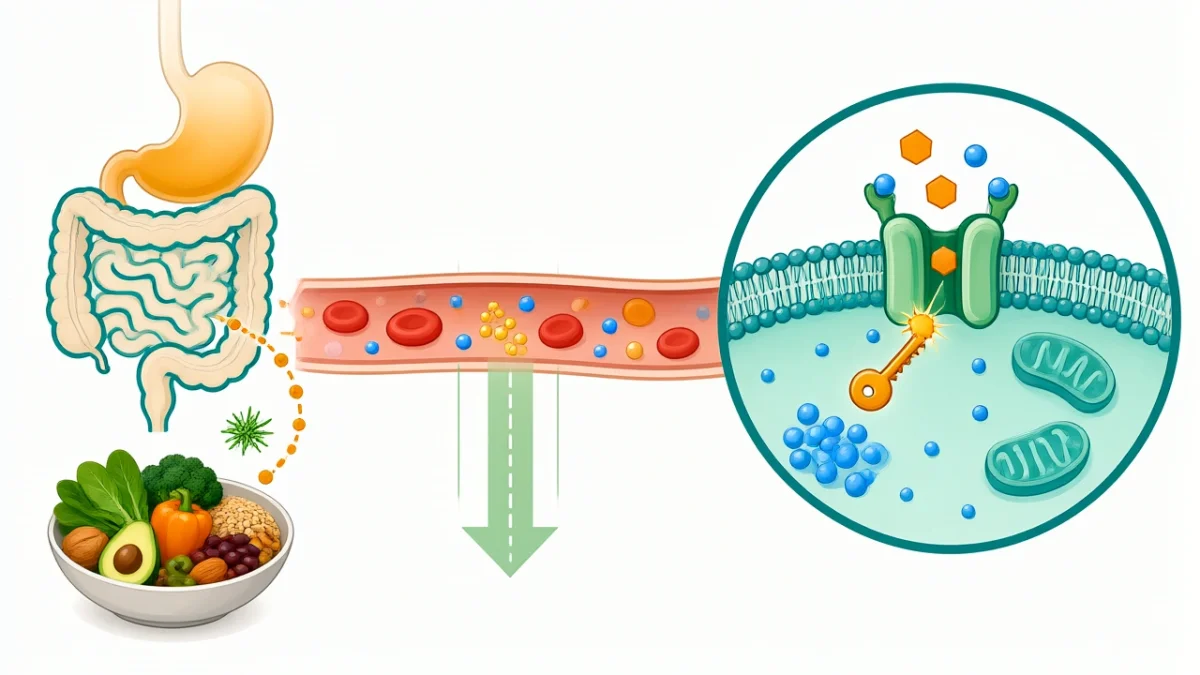
Blood sugar regulation is how your body moves glucose (sugar) out of your blood and into your cells to use for energy. Think of insulin as a key and your muscle and liver cells as locked doors. When you eat carbs, sugar enters your blood, your pancreas sends out insulin keys, and the doors open.
When those locks get rusty—a state called insulin resistance—sugar stays trapped in your bloodstream. Over time, high blood sugar wears down blood vessels, nerves, eyes, and kidneys. That is why people look for foods and supplement ingredients that help those locks turn a little easier or slow down how fast sugar enters the blood in the first place.
How I Researched This Guide
To write this guide on November 22, 2026, I checked evidence summaries from the National Center for Complementary and Integrative Health (NCCIH), the National Institutes of Health Office of Dietary Supplements (NIH ODS), the American Diabetes Association (ADA) Standards of Care, and peer-reviewed meta-analyses indexed on PubMed. I separated strong human randomized controlled trials from weak animal data or marketing hype.
What You Will Learn
- Which ingredients have real human trial data—and how big the effect actually is.
- How each ingredient works in plain language, plus typical study doses.
- Which popular ingredients fall short of their ads.
- Key drug interactions (especially with metformin and insulin) and who should skip supplements.
- A step-by-step safety checklist to bring to your doctor or pharmacist.
How Do Ingredients Help Regulate Blood Sugar?
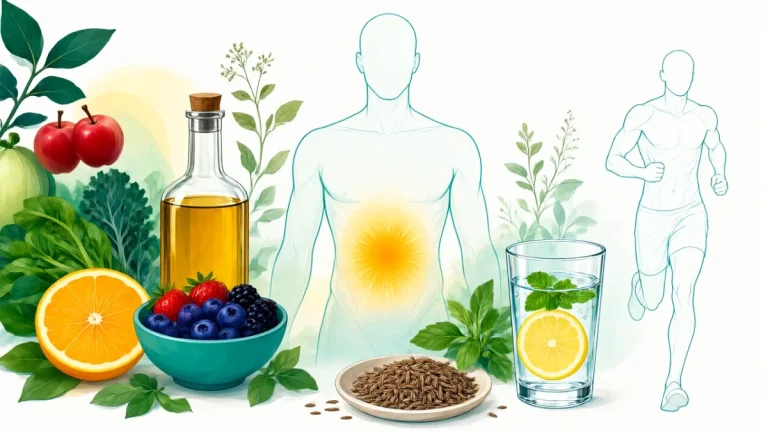
Natural ingredients do not act like synthetic insulin, which forces sugar into cells right away. Instead, research-backed ingredients nudge blood sugar through four slow, gentle pathways:
- Slowing gut absorption: Thick fibers form a gel in your stomach, which slows down how fast carbs turn into sugar and enter your blood.
- Improving insulin sensitivity: Nutrients like magnesium and berberine help cell receptors respond better to the insulin your body already makes.
- Lowering liver sugar output: Your liver releases stored sugar between meals; certain plant compounds tell the liver to slow that drip down.
- Blunting carb digestion: Some plant extracts partially block gut enzymes that break starches into simple sugars.
Which Ingredients Have the Strongest Clinical Evidence?
No over-the-counter ingredient cures diabetes, and the American Diabetes Association notes that clinical evidence for most herbal supplements remains limited. However, several well-studied nutrients and botanicals show measurable, modest drops in fasting blood glucose or HbA1c (a 3-month blood sugar average) in human trials.
1. Viscous Soluble Fiber (Psyllium and Beta-Glucan)
Evidence Level: Strong
Soluble fiber—found in oats, beans, flaxseeds, and psyllium husk—is one of the safest, most reliable tools for blunting post-meal blood sugar spikes. When mixed with water in your gut, viscous fiber forms a thick gel that traps sugars and slows digestion.
- What studies show: A 2015 meta-analysis in The American Journal of Clinical Nutrition reviewing 35 randomized controlled trials found that taking psyllium before meals significantly lowered both fasting blood sugar and HbA1c in people with type 2 diabetes, with the largest drops seen in those whose starting levels were highest.
- Typical study dose: 5 to 10 grams of psyllium taken with plenty of water right before meals.
- Caveat: Fiber can trap prescription pills in your gut and keep them from absorbing. Take medicines at least 2 hours apart from fiber supplements.
2. Berberine
Evidence Level: Moderate to Strong (with strong drug-interaction risks)
Berberine is a bitter yellow compound found in plants like goldenseal, barberry, and Oregon grape. It activates an enzyme inside cells called AMPK (often called a cellular energy switch), which helps muscles pull in glucose and slows sugar production in the liver.
- What studies show: A 2021 systematic review and meta-analysis in Frontiers in Pharmacology analyzing 46 randomized controlled trials (over 4,100 participants) found that berberine lowered fasting blood sugar, post-meal sugar, and HbA1c—both alone and alongside standard diabetes drugs.
- Typical study dose: 500 mg taken 2 to 3 times daily with meals (1,000 to 1,500 mg total per day).
- Caveat: Berberine acts strongly on liver enzymes (CYP450) and can interact with dozens of prescription drugs, including metformin, blood thinners, and statins. Stomach cramps and diarrhea are common.
3. Magnesium
Evidence Level: Moderate (strongest if you are low in magnesium)
Magnesium is an essential mineral involved in over 300 body reactions, including how insulin locks onto cells. People with insulin resistance or type 2 diabetes often lose extra magnesium through their urine, creating a two-way trap where low magnesium worsens insulin resistance.
- What studies show: According to the NIH Office of Dietary Supplements and a 2016 meta-analysis in Nutrients covering 21 randomized trials, magnesium supplements improved insulin sensitivity and modestly lowered fasting blood sugar in people with diabetes or low baseline magnesium levels.
- Typical study dose: 250 to 400 mg daily (forms like magnesium glycinate or citrate absorb well and cause less loose stool than magnesium oxide).
- Caveat: People with reduced kidney function must avoid magnesium supplements unless cleared by a doctor, because damaged kidneys cannot filter out excess magnesium.
4. Cinnamon (Ceylon vs. Cassia)
Evidence Level: Mixed / Modest
Cinnamon is one of the most popular kitchen spices studied for blood sugar. Lab studies suggest its polyphenols mimic insulin and slow stomach emptying, though human trial results bounce around depending on the species and dose used.
- What studies show: The NCCIH notes that while some small clinical trials show slight drops in fasting blood glucose, overall evidence does not prove cinnamon reliably lowers HbA1c or manages diabetes. A 2019 meta-analysis in Clinical Nutrition (16 randomized trials) found modest reductions in fasting glucose and insulin resistance, but inconsistent effects on A1C.
- Typical study dose: 1 to 6 grams daily in food or capsules.
- Caveat: Common grocery-store cinnamon (Cassia) is high in coumarin, a natural compound that can harm the liver in large daily doses. Ceylon cinnamon (“true” cinnamon) has far lower coumarin levels.
5. Alpha-Lipoic Acid (ALA)
Evidence Level: Mixed (stronger for nerve symptoms than blood sugar)
Alpha-lipoic acid is an antioxidant made in small amounts by your body and found in spinach, broccoli, and organ meats. It helps cells burn glucose for fuel and fights oxidative stress caused by high blood sugar.
- What studies show: A 2018 meta-analysis in Diabetic Medicine of 20 randomized trials found small drops in fasting glucose and insulin levels, though results varied widely across studies. ALA has stronger clinical backing for easing diabetic nerve discomfort than for major A1C drops.
- Typical study dose: 300 to 600 mg daily.
- Caveat: Can lower blood sugar enough to trigger lows if paired with insulin or sulfonylureas, and may interfere with thyroid hormone medications.
6. Chromium (Chromium Picolinate)
Evidence Level: Weak to Mixed
Chromium is a trace mineral that helps insulin attach to cell receptors. True chromium deficiency is rare in healthy people, which may explain why supplements only help select groups.
- What studies show: The NIH Office of Dietary Supplements reports that clinical trials show inconsistent results—some find tiny improvements in fasting blood sugar or A1C, while many show no benefit over a placebo.
- Typical study dose: 200 to 1,000 mcg daily as chromium picolinate.
- Caveat: High doses can cause skin reactions, headaches, or rare liver and kidney issues.
Quick Comparison: Evidence, Dose, and Safety at a Glance
| Ingredient:Ingredient | How It Works:How It Works | Human Evidence Rating:Human Evidence Rating | Typical Study Dose:Typical Study Dose | Main Watch-Outs:Main Watch-Outs |
| Ingredient:Psyllium / Soluble Fiber | How It Works:Slows sugar absorption in gut | Human Evidence Rating:Strong | Typical Study Dose:5–10 g before meals | Main Watch-Outs:Bloating; space 2 hrs from meds |
| Ingredient:Berberine | How It Works:Activates AMPK; lowers liver glucose | Human Evidence Rating:Moderate–Strong | Typical Study Dose:500 mg, 2–3x/day | Main Watch-Outs:Strong drug interactions; GI upset |
| Ingredient:Magnesium | How It Works:Supports insulin receptor signaling | Human Evidence Rating:⚠ Moderate | Typical Study Dose:250–400 mg/day | Main Watch-Outs:Loose stools; unsafe in kidney disease |
| Ingredient:Cinnamon | How It Works:Slows stomach emptying | Human Evidence Rating:Mixed / Modest | Typical Study Dose:1–6 g/day | Main Watch-Outs:Cassia type is high in liver-toxic coumarin |
| Ingredient:Alpha-Lipoic Acid | How It Works:Aids glucose uptake; antioxidant | Human Evidence Rating:Mixed | Typical Study Dose:300–600 mg/day | Main Watch-Outs:Low blood sugar risk; thyroid interaction |
| Ingredient:Chromium | How It Works:Assists insulin binding | Human Evidence Rating:Weak / Mixed | Typical Study Dose:200–1,000 mcg/day | Main Watch-Outs:Minimal benefit if not deficient |
| Ingredient:Apple Cider Vinegar | How It Works:Slows starch breakdown slightly | Human Evidence Rating:Weak / Short-term | Typical Study Dose:1–2 tbsp diluted | Main Watch-Outs:Tooth enamel erosion; throat burn |
| Ingredient:Bitter Melon / Gymnema | How It Works:May reduce gut sugar absorption | Human Evidence Rating:Weak / Preliminary | Typical Study Dose:Varies widely | Main Watch-Outs:Unstandardized extracts; hypoglycemia risk |
Which Popular Ingredients Have Weak or Overhyped Evidence?
Many multi-ingredient "blood sugar support" pills rely on herbs with exciting animal data but thin human proof. Knowing what lacks strong backing saves you money and protects your liver.
- Apple Cider Vinegar (ACV): Small, short-term studies suggest 1 to 2 tablespoons of vinegar diluted in water before a high-carb meal can slightly blunt a post-meal glucose spike. However, long-term A1C drops are minimal, and undiluted vinegar erodes tooth enamel and irritates your esophagus.
- Bitter Melon: Traditional diets use bitter melon as a vegetable, and cell studies show insulin-like compounds. Yet a Cochrane systematic review found insufficient clinical evidence to recommend bitter melon supplements for type 2 diabetes.
- Gymnema Sylvestre: Known in Ayurvedic tradition as "sugar destroyer," gymnema may temporarily dull sweet taste buds and reduce sugar absorption in small preliminary trials, but large, long-term human trials are still lacking.
- Proprietary Blends: If a label hides 8 herbs inside a single "800 mg Proprietary Blend," you have no way to know if you are getting a real study dose or just a pinch of dust.
Myths vs. Evidence About Blood Sugar Ingredients
| Common Myth:Common Myth | What the Evidence Actually Shows:What the Evidence Actually Shows |
| Common Myth:"Natural ingredients cannot cause low blood sugar." | What the Evidence Actually Shows:False. Combining berberine, ALA, or bitter melon with insulin or sulfonylureas can push blood sugar dangerously low (hypoglycemia). |
| Common Myth:"A supplement can replace metformin or insulin." | What the Evidence Actually Shows:False. Even the strongest natural compounds lower A1C by roughly 0.5% to 0.9% at best, far less predictably than prescribed therapy. |
| Common Myth:"More ingredients in one pill means better results." | What the Evidence Actually Shows:False. Multi-ingredient blends often under-dose every single herb while multiplying your risk of side effects and drug interactions. |
| Common Myth:"Food sources do not work as well as concentrated pills." | What the Evidence Actually Shows:False. Eating soluble fiber from oats, beans, and chia seeds delivers steady glucose control without capsule contamination risks. |
Who Should Be Careful—and What Interactions Matter Most?
Because dietary supplements in the United States are not tested by the FDA for safety or purity before hitting store shelves, quality and drug interactions are the biggest hidden risks.
Major Drug Interactions
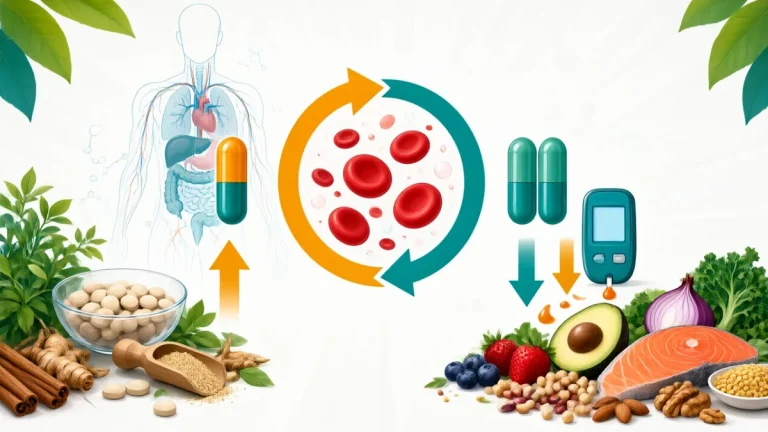
- Blood sugar medications (Metformin, Insulin, Glipizide, Glyburide): Adding berberine, ALA, or high-dose cinnamon can stack with your medication and trigger hypoglycemia (shakiness, sweating, confusion, dizziness). Berberine and metformin also share gut side effects, making severe diarrhea more likely.
- Blood thinners and blood pressure drugs: Berberine and high-coumarin Cassia cinnamon can alter how your liver clears warfarin, statins, and certain heart medicines.
- Oral medications in general: Psyllium and glucomannan fibers can bind to thyroid pills, antibiotics, and diabetes drugs in your stomach if taken at the same time.
Who Should Skip These Supplements
- Pregnant or breastfeeding women: Berberine can cross the placenta and pass into breast milk, posing risks to newborns.
- People with kidney or liver disease: Damaged organs struggle to clear concentrated minerals (like magnesium or chromium) and herbal compounds (like coumarin in Cassia cinnamon).
- Anyone scheduled for surgery: Many botanicals affect blood sugar and clotting; doctors generally advise stopping supplements at least 2 weeks before surgery.
Practical Safety Checklist Before You Try Anything
Use this checklist before buying a single ingredient or changing your routine:
- [ ] Start with food first: Can you get viscous fiber from oats, lentils, chia seeds, or berries, and magnesium from leafy greens, pumpkin seeds, or almonds?
- [ ] Pick single-ingredient formulas: Skip proprietary blends so you know the exact milligram dose you are taking.
- [ ] Look for third-party testing seals: Choose bottles verified by USP, NSF International, or ConsumerLab to confirm the pill actually contains what the label claims.
- [ ] Check your baseline labs: Ask your doctor to test your fasting glucose, HbA1c, kidney function, and magnesium level before starting.
- [ ] Log your numbers: Track morning and 2-hour post-meal readings for 2 to 4 weeks so you have real proof of whether an ingredient helps you.
Questions to Ask Your Doctor or Pharmacist
- "Could [ingredient name] interact with any of my current prescriptions or over-the-counter drugs?"
- "Are my kidney and liver labs healthy enough to process this supplement safely?"
- "If I test this for 8 to 12 weeks, what blood sugar changes—or warning signs of low blood sugar—should I watch for?"
[[IMAGE: Photorealistic warm scene of an ordinary adult sitting calmly at a bright consultation counter reviewing a small paper checklist with a helpful pharmacist in smart casual attire, natural daylight, 16:9, no text or lettering, no brand logos, no prescription bottles | alt: Person discussing supplement safety checklist questions with a pharmacist | caption: Reviewing single-ingredient doses and drug interactions with a pharmacist keeps your plan safe.]]
Summary: What Actually Helps Blood Sugar?
- Food-first habits win: Viscous soluble fiber (psyllium, oats, beans) has the cleanest safety profile and strong proof for blunting post-meal blood sugar spikes.
- Berberine and magnesium lead supplement research: Berberine shows consistent A1C and fasting glucose drops in human trials, while magnesium helps most if your levels are already low.
- Modest or mixed results are common: Cinnamon, alpha-lipoic acid, and chromium show smaller or inconsistent effects and work best—if at all—as minor helpers alongside diet and exercise.
- Safety comes before supplements: Drug interactions, kidney or liver strain, and unverified labels mean you should always review single-ingredient options with your doctor or pharmacist first.
Your Next Step: Print or save the safety checklist above and bring it to your next doctor or pharmacist visit. If you want to understand how specific blood sugar supplements interact with common medications like metformin and insulin—or compare broader blood sugar management options—explore our related guides on supplement safety and medication interactions before adding anything to your routine.
Frequently Asked Questions
What is the most effective natural ingredient for lowering blood sugar?
Viscous soluble fiber (such as psyllium husk) and berberine have the strongest human clinical trial support for lowering blood sugar. Psyllium safely slows carb absorption in the gut, while berberine improves insulin sensitivity and lowers liver sugar output, though berberine carries significant drug-interaction risks.
Does cinnamon really lower blood sugar?
Cinnamon may slightly lower fasting blood sugar in some people, but major health bodies like the NCCIH state that evidence is mixed and does not prove it reliably lowers long-term A1C. If you use cinnamon regularly, choose Ceylon cinnamon rather than Cassia cinnamon to avoid high levels of liver-stressing coumarin.
Can I take berberine with metformin?
You should not combine berberine and metformin without medical supervision. Both compounds lower blood sugar and act on similar metabolic pathways, which increases your risk of low blood sugar (hypoglycemia) and severe digestive side effects like cramping and diarrhea.
How long does it take for blood sugar ingredients to work?
Soluble fiber and diluted vinegar act immediately on the meal you eat them with by slowing digestion. Ingredients that target insulin sensitivity—such as berberine, magnesium, or chromium—typically take 4 to 12 weeks of consistent daily use before changes show up on an HbA1c blood test.
What vitamins or minerals help regulate blood sugar?
Magnesium has the clearest evidence among minerals, especially for people who have low magnesium levels alongside insulin resistance. Chromium and vitamin D are also widely studied, though clinical trials show they mainly help people who are already deficient rather than people with normal nutrient levels.